
2 Days Siwa Oasis Tour from Cairo: Private All-Inclusive Desert Adventure
Yes, a 2-day Siwa Oasis tour from Cairo is worth it for travelers who want to experience Egypt’s remote desert landscapes, ancient monuments, salt lakes, natural springs, and traditional Siwan culture within a compact itinerary. This is an adventurous, fast-paced escape involving a long drive from Cairo, early starts, and two activity-filled days. In return, you discover a side of Egypt that feels completely different from Cairo, Luxor, or the Red Sea—complete with palm groves, mud-brick villages, blue salt pools, historic temples, and the towering dunes of the Great Sand Sea.
Quick Answer: Choose this tour when you want a private, carefully organized Siwa experience without arranging transportation, accommodations, meals, guides, entrance tickets, or desert safari logistics separately.

Why Choose a Siwa Oasis Tour from Cairo?
A Siwa Oasis tour combines ancient Egyptian history, Sahara Desert adventure, natural beauty, and living Amazigh culture in one journey. Private door-to-door transportation makes this remote Western Desert destination more accessible, although travelers should be prepared for a long road journey of approximately eight to ten hours each way.
Siwa Oasis Tour lies far from Egypt’s heavily traveled Nile Valley route. Its isolation has helped preserve its distinctive architecture, language, customs, agriculture, cuisine, and relaxed pace of life. Instead of crowded city streets, you find date palms, olive groves, freshwater springs, salt lakes, desert mountains, and mud-brick settlements.
What Makes This Experience Different?
| Experience | Siwa Oasis | Typical Cairo Excursion |
| Landscape | Salt lakes, palms, dunes, springs | Urban and archaeological |
| Atmosphere | Quiet, remote, traditional | Busy and energetic |
| Adventure | Dune bashing and sandboarding | Limited desert activities |
| Culture | Distinctive Siwan Amazigh heritage | Cosmopolitan Egyptian culture |
| Travel style | Private desert journey | Short city-based sightseeing |
| Best for | Nature, photography, history and adventure | Classic monuments and museums |
Your private Siwa Oasis tour from Cairo removes the most difficult parts of planning a remote desert trip. Transportation, local guiding, accommodation, meals, attraction visits, and the Great Sand Sea safari are coordinated in advance, allowing you to focus on the experience.
The journey is particularly rewarding for travelers who have already seen the Pyramids of Giza and want to explore beyond Egypt’s classic itinerary. It also works as a memorable short getaway for couples, families, solo travelers, photographers, and adventure seekers with limited vacation time.
Tour Highlights
This all-inclusive Siwa tour brings together the oasis’s most important historical, cultural, and natural attractions. Every day balances guided exploration with time for photography, local food, desert scenery, and personal discovery.
- Private air-conditioned transportation from your Cairo hotel
- Door-to-door pickup and return service
- Guided exploration of Shali Fortress
- Visit to the Mountain of the Dead
- Swimming opportunity at Cleopatra Spring
- Temple of the Oracle of Amun
- Floating experience in the Siwa Salt Lakes
- Fatnas Island sunset and palm-grove views
- Private Great Sand Sea 4×4 safari
- Exciting dune bashing with an experienced desert driver
- Sandboarding on soft desert dunes
- Traditional Siwan lunch and local refreshments
- Overnight accommodation in Siwa Oasis Tour
- Professional local guide with destination knowledge
- Bottled water during the journey
- Flexible stops for photography and rest breaks
Complete 2-Day Itinerary
This 2-day Siwa Oasis tour is designed for travelers who want to see the essential highlights in the shortest practical time. Because Siwa is approximately 740–750 kilometers from Cairo by road, the itinerary requires a very early departure and a late return.
Day 1 – Cairo to Siwa Oasis
Your private journey begins before sunrise with pickup from your hotel or agreed location in Cairo. Traveling early helps avoid the busiest city traffic and creates more time for sightseeing after arriving in the oasis.
Settle into your air-conditioned private vehicle while your driver follows the northern route toward Marsa Matruh and then continues south through the Western Desert. Planned stops are made for breakfast, refreshments, restrooms, and stretching.
As the Mediterranean surroundings disappear, the landscape becomes increasingly open and dramatic. The final road into Siwa passes through long stretches of desert where settlements and services are limited, making organized private transportation especially valuable.
After arriving and checking in, begin exploring Siwa’s historic center.
Shali Fortress
Walk through the remains of Shali Fortress, the ancient fortified settlement that once protected Siwan families from outside attacks. Its narrow lanes, elevated viewpoints, and weathered walls create one of the oasis’s most recognizable scenes.
Allow approximately 45–60 minutes for a guided visit. The surfaces are uneven, so closed walking shoes are recommended. Late-afternoon light creates warm tones across the traditional kershef walls, making this an excellent photography stop.
Mountain of the Dead
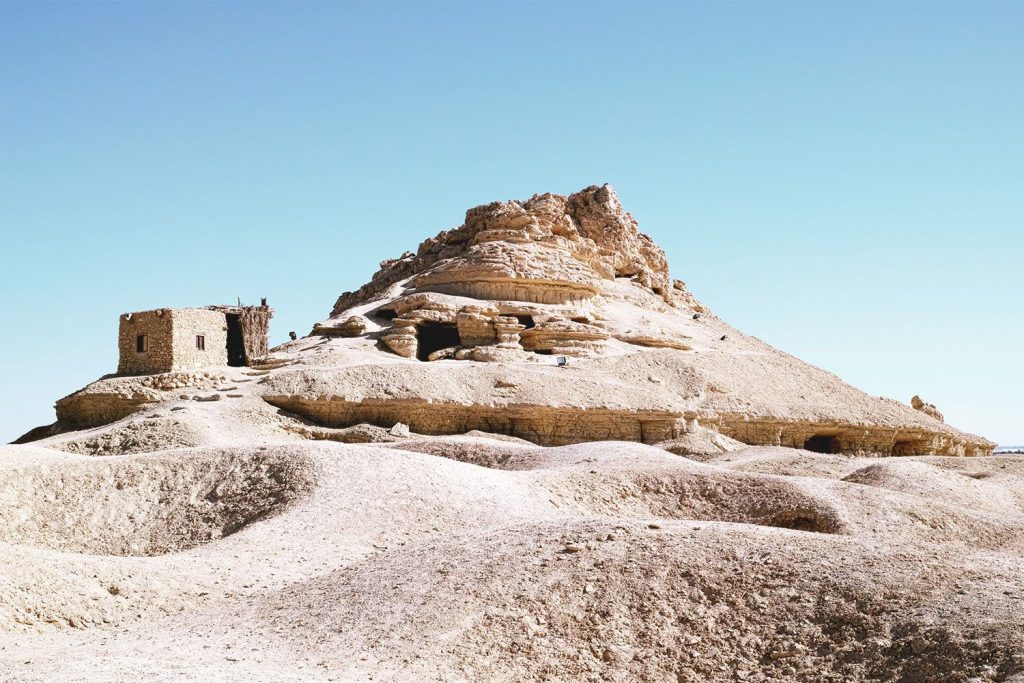
Continue to the Mountain of the Dead, also known as Gebel Al-Mawta. This rocky hill contains ancient tombs dating from different periods of Egyptian history.
Your guide will explain the most significant tombs and help you understand the oasis’s historic relationship with ancient Egypt. A typical visit takes 45–60 minutes. Access can involve steps, narrow entrances, and uneven ground, so travelers with limited mobility should discuss suitable alternatives in advance.
Cleopatra Spring
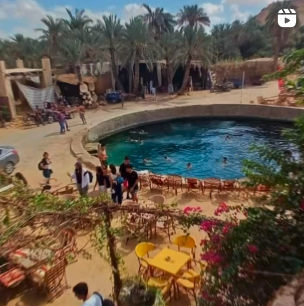
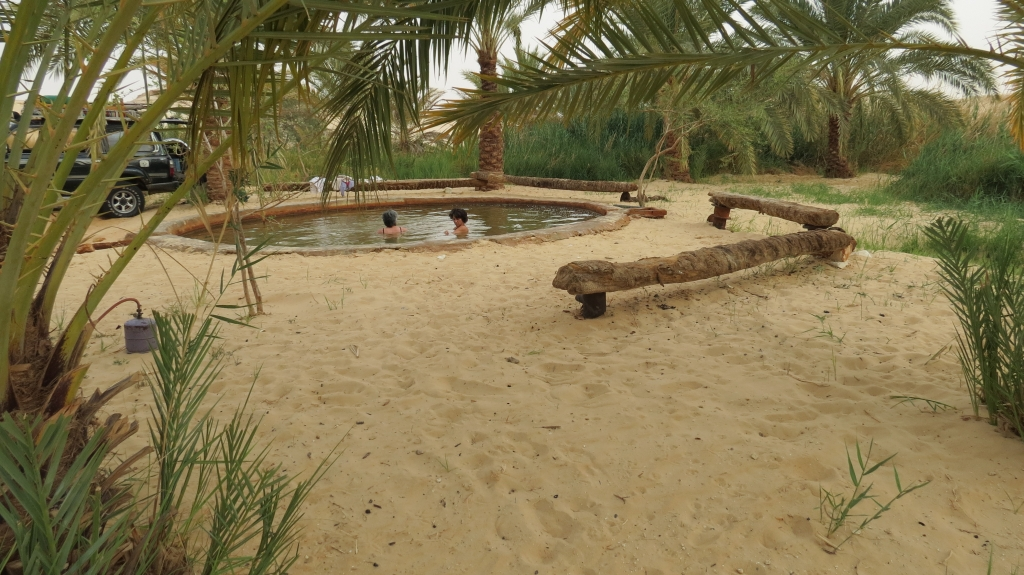
Next, visit Cleopatra Spring, a natural stone pool surrounded by palm trees and small local cafés. Despite its famous name, there is no confirmed evidence that Cleopatra VII personally bathed here, but the spring remains one of Siwa’s best-known social and swimming locations.
Bring swimwear under your clothing, a quick-dry towel, and water-friendly sandals. Travelers who prefer not to swim can relax with tea or fresh juice while enjoying the atmosphere.
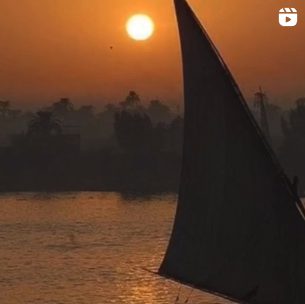
When timing and daylight permit, the first day may conclude at Fatnas Island for sunset. Watching the sun disappear beyond the palms and saltwater lake is one of Siwa’s most peaceful experiences.
In the evening, enjoy a local dinner featuring Egyptian and Siwan flavors. Depending on availability and the selected menu, dishes may include fresh bread, olives, dates, rice or couscous, vegetables, grilled chicken, slow-cooked meat, and traditional tea.
Return to your Siwa accommodation for a well-earned night’s rest.

Day 2 – Siwa Adventure and Return to Cairo
The second day begins early with breakfast before visiting Siwa’s most important historical site, its vividly colored salt lakes, and the Great Sand Sea. It is an active day combining archaeology, swimming, photography, and desert adventure.
Temple of the Oracle of Amun
Visit the Temple of the Oracle of Amun, where priests once delivered divine messages and political guidance. The site is closely associated with Alexander the Great, who traveled to Siwa after entering Egypt and consulted the famous oracle.
Explore the temple ruins and elevated viewpoints with your guide. A typical visit takes 45–60 minutes, depending on your interest in archaeology and photography.
Siwa Salt Lakes
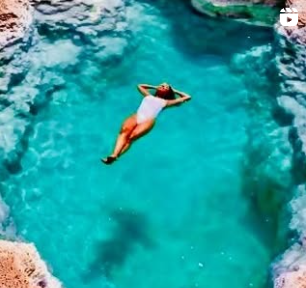
Continue to the brilliant Siwa Salt Lakes. Their intense blue and turquoise colors contrast beautifully with white salt formations and the surrounding desert.
The extremely salty water provides strong natural buoyancy, allowing most visitors to float easily. Enter slowly because the salt crystals can be sharp. Avoid shaving immediately before the visit, protect open cuts, keep the water away from your eyes, and rinse with fresh water afterward.
Allow around 60–90 minutes for swimming, changing, photography, and travel between selected pools.
Great Sand Sea Safari
Meet your experienced desert driver and transfer to a suitable 4×4 vehicle for the Great Sand Sea safari. The paved roads soon disappear as the vehicle enters a landscape of enormous golden dunes.
Enjoy controlled dune bashing, panoramic desert viewpoints, and stops where you can appreciate the silence and scale of the Western Desert. The safari route and intensity depend on weather, local permissions, sand conditions, and traveler comfort.
Try sandboarding on a safe dune selected by your guide. Beginners are welcome, and you may slide while standing, sitting, or lying on the board according to your confidence.
A traditional Siwan lunch or desert meal is served during the day. Tea in the desert is a simple but memorable part of the experience, particularly when enjoyed away from vehicles and settlements.
Fatnas Island and Return to Cairo
When operating times and road conditions allow, stop at Fatnas Island for lake and palm-grove views. The ideal experience is during golden hour or sunset, when the changing light creates reflections across the water.
After completing the program, begin the private return journey to Cairo. Comfort stops are provided along the route. Arrival may be late at night or during the early hours of the following morning, depending on traffic, checkpoints, weather, rest periods, and your Cairo drop-off location.
Top Attractions You’ll Visit
Siwa’s greatest appeal comes from the variety of experiences found within one small oasis region. In two days, you can encounter ancient temples, historic tombs, natural springs, salt pools, traditional architecture, palm groves, lakes, and Sahara Desert dunes.
Temple of the Oracle of Amun
The Temple of the Oracle is one of Siwa Oasis Egypt’s most historically important landmarks. Ancient rulers, military leaders, and travelers consulted the oracle because it was believed to communicate the will of Amun.
Alexander the Great’s journey to the oracle helped connect Siwa with one of history’s most famous conquerors. Today, the ruins reward visitors with historical insight and elevated views over surrounding palms and settlements.
Recommended visit duration: 45–60 minutes
Best photography conditions: Early morning
Accessibility: Uneven stone surfaces and steps
Shali Fortress
Shali Fortress rises above the center of Siwa as a reminder of the oasis’s traditional defensive architecture. It was built primarily from kershef, a local mixture associated with salt, mud, and earth construction.
From the upper paths, visitors can see modern Siwa, palm groves, mosques, rooftops, and distant desert formations. Sunset and late afternoon create the most flattering light.
Recommended visit duration: 45–60 minutes
Best photography conditions: Late afternoon
Accessibility: Steep and uneven walking areas
Mountain of the Dead
The Mountain of the Dead contains rock-cut tombs and surviving decorations from different periods of Egyptian history. Although compact, it provides valuable insight into how the oasis was connected with wider Egyptian civilization.
The top of the hill also offers panoramic views. Follow your guide’s instructions and avoid touching painted surfaces or entering restricted chambers.
Recommended visit duration: 45–60 minutes
Best photography conditions: Morning or late afternoon
Accessibility: Steps, slopes, and narrow tomb entrances
Cleopatra Spring
Cleopatra Spring is a circular stone pool fed by natural spring water. Locals and travelers visit to swim, relax, drink tea, and enjoy the palm-shaded surroundings.
The pool can be slippery around its edges. Enter carefully, use water shoes when possible, and follow local guidance regarding changing areas and appropriate swimwear.
Recommended visit duration: 45–75 minutes
Best experience: Warm afternoon
Accessibility: Slippery steps and limited adapted facilities
Fatnas Island
Fatnas Island is one of the best sunset locations in Siwa. Palm silhouettes, calm water, distant desert formations, and changing sky colors create a naturally cinematic setting.
Arrive 30–45 minutes before sunset to choose a comfortable viewing position. Photographers should bring a lens cloth because desert dust can settle quickly on equipment.
Recommended visit duration: 60–90 minutes
Best photography conditions: Golden hour and sunset
Accessibility: Mostly level areas, with some rough paths
Great Sand Sea
The Great Sand Sea is a vast dune region extending across the Western Desert toward Libya. Here, the journey changes from cultural sightseeing to a genuine desert adventure.
Tours may include dune bashing, sandboarding, panoramic stops, tea, and visits to selected desert features. Only enter the dunes with an authorized, experienced local driver who understands changing sand conditions and approved routes.
Recommended visit duration: Three to four hours
Best photography conditions: Late afternoon
Accessibility: Bumpy 4×4 travel; unsuitable for some back, neck, or pregnancy-related conditions
Siwa Salt Lakes
The Siwa Salt Lakes are known for their vivid colors, white mineral edges, and highly buoyant water. Floating here is one of the most photographed experiences in the oasis.
Salt levels and access conditions can vary between pools. Follow your guide, wear footwear near sharp crystals, and never dive into an unfamiliar lake.
Recommended visit duration: 60–90 minutes
Best photography conditions: Mid-morning or early afternoon
Accessibility: Rough banks and potentially difficult entry points
Traditional Siwan Village
The traditional areas of Siwa introduce visitors to local architecture, crafts, food, farming, and social customs. The Siwan People have a distinctive Amazigh heritage and identity that should not be reduced to a generic description of Egyptian or Bedouin Culture.
Dress respectfully, greet people politely, and ask permission before photographing residents—particularly women, children, artisans, and people working inside shops.
Recommended visit duration: 45–90 minutes
Best experience: With a local guide
Accessibility: Narrow lanes and uneven surfaces

Why Travelers Love This Private Siwa Oasis Tour
A private Siwa travel package offers comfort, flexibility, and personal attention during a demanding desert journey. Instead of following a large group, you can adjust rest stops, activity intensity, meal timing, and attraction visits around your interests.
Private Transportation
Travel in a private air-conditioned vehicle reserved for your booking. This is especially valuable during the long Cairo–Siwa journey, where comfort stops and departure timing can be managed more effectively.
Flexible Schedule
Private touring allows reasonable adjustments for families, photographers, older travelers, or guests who prefer a less intense safari. Attraction order may also be modified according to weather, local access, road conditions, and sunset timing.
Expert Local Guidance
A knowledgeable guide adds context that cannot be gained from photographs alone. You learn about Siwa’s history, agriculture, architecture, beliefs, customs, food, and modern daily life.
Authentic Local Experiences
The itinerary goes beyond sightseeing by introducing you to local meals, Siwan tea, traditional settlements, desert hospitality, palm groves, and regional products such as dates and olives.
Personalized Service
Couples can request more sunset time, photographers can prioritize light conditions, and families can choose gentler dune activities. Solo travelers benefit from organized companionship without joining a crowded coach group.
Safety and Organization
Desert travel requires suitable vehicles, experienced drivers, water, route planning, and respect for local restrictions. Your safari is conducted with local professionals rather than through independent off-road exploration.
Family-Friendly Options
Children who are comfortable with long road journeys can enjoy swimming, floating, sandboarding, and exploring the fortress. Safari intensity can be reduced for families, subject to the driver’s safety assessment.
Who Is This Tour Perfect For?
This private Egypt tour suits travelers who value unusual landscapes, cultural discovery, and personalized service. It is best for guests who are comfortable with long drives and want to experience Siwa without spending several days arranging logistics.
Couples
Private transportation, desert scenery, quiet accommodation, and a Fatnas Island sunset make Siwa a romantic addition to an Egypt itinerary.
Families
Families can combine educational historical visits with swimming, salt-lake floating, and sandboarding. Children should be prepared for long road travel, heat, and an active schedule.
Solo Travelers
Solo travelers receive a structured, guided experience without navigating remote roads or organizing separate desert activities independently.
Adventure Seekers
Dune bashing, sandboarding, natural springs, desert driving, and the Great Sand Sea make this one of the most varied Egypt desert tours.
Photographers
Siwa offers blue salt pools, white mineral formations, golden dunes, palm silhouettes, mud-brick architecture, and historic ruins. Bring wide-angle and telephoto options, spare batteries, lens protection, and a secure camera strap.
Luxury Travelers
Private transport, personalized timing, attentive guiding, and accommodation upgrades provide a more comfortable way to explore a remote destination.
Best Time to Visit Siwa Oasis Tour
The best time for a Siwa Oasis tour is generally from October through April, when daytime conditions are more comfortable for archaeological visits and desert activities. November through February usually provides the coolest sightseeing weather, although nights can feel surprisingly cold.
| Season | Typical Conditions | Travel Advice |
| October–November | Warm days, cooler evenings | Excellent for safaris and swimming |
| December–February | Mild days, cold nights | Best for walking and archaeology |
| March–April | Warm, bright and generally comfortable | Excellent photography season |
| May–September | Very hot daytime conditions | Plan early activities and extra hydration |
Summer daytime temperatures can exceed 40°C or 104°F, while winter nights may require a warm jacket. Desert environments also experience significant temperature changes between daytime and evening.
For landscape photography, arrive at dunes and elevated viewpoints during golden hour. Salt lakes often show their strongest colors when the sun is high enough to illuminate the water, while Shali Fortress and Fatnas Island are particularly beautiful in softer late-afternoon light.
Travel Tips Before Visiting Siwa
Preparation makes a major difference on a short Siwa trip. Pack for swimming, desert sun, cool evenings, uneven archaeological sites, and limited services outside the main oasis.
Clothing
Wear lightweight, breathable clothing during the day and carry a jacket for winter evenings. Choose modest clothing in villages and public areas out of respect for local customs.
Footwear
Bring supportive closed shoes for historical sites and sandals or water shoes for springs and salt lakes. Salt crystals can be sharp underfoot.
Cash
Carry enough Egyptian pounds for personal purchases, tips, drinks, and small shops. ATM access can be limited, and card payments are not universally available.
Internet and Mobile Coverage
Mobile service and internet quality may be slower or less reliable than in Cairo. Download important documents, maps, booking confirmations, and entertainment before departure.
Photography
Ask before photographing residents. Protect cameras from sand, avoid changing lenses during windy conditions, and carry spare batteries because charging opportunities may be limited during the day.
Desert Safety
Never enter the Great Sand Sea without an experienced local driver. Carry water, follow the approved route, keep your seat belt fastened where available, and tell the driver immediately if dune bashing feels too intense.
Swimming Safety
Do not dive into salt lakes or unfamiliar springs. Keep salt water away from your eyes, cover cuts, and rinse afterward. Use sun protection even when swimming.
Essential Packing List
- Passport or identification
- Comfortable walking shoes
- Water-friendly sandals
- Swimwear and quick-dry towel
- Sunscreen and lip balm
- Hat and sunglasses
- Light jacket
- Personal medication
- Power bank
- Camera protection
- Small amount of cash
- Reusable water bottle
- Tissues and hand sanitizer
Important Travel Advisory Check
Travel guidance can change. As of August 5, 2026, UK guidance specifically lists Siwa town and the Marsa Matruh–Siwa road as exceptions to broader Western Desert restrictions. Canadian guidance advises travelers visiting Siwa to use the Marsa Matruh–Siwa road, plan carefully, carry water and cash, expect checkpoints, and avoid unapproved off-road travel. Always check the latest advice issued by your own government and confirm that your insurance covers the complete itinerary.

Frequently Asked Questions
How far is Siwa Oasis from Cairo? Siwa Oasis Tour is approximately 740–750 kilometers from Cairo by road. A private journey commonly takes eight to ten hours each way, depending on Cairo traffic, rest stops, checkpoints, weather, and road conditions. The distance makes a two-day tour intensive, but private transportation provides greater comfort and flexibility than arranging multiple public transport connections.
Is a 2-day Siwa Oasis tour enough? Two days are enough to see Siwa’s essential highlights when the itinerary is carefully organized, but the schedule is fast-paced. You can visit major historical attractions, swim in the salt lakes, experience a Great Sand Sea safari, and enjoy local food. Travelers seeking slower mornings, additional villages, or more photography time may prefer three or four days.
Is a 2-day tour from Cairo tiring? The tour includes long road journeys, an early departure, active sightseeing, and a late return. It is best suited to travelers who can rest comfortably in a private vehicle and are willing to follow an efficient schedule. Planned breaks, air-conditioned transportation, private service, and an overnight stay help make the journey more manageable.
Is Siwa safe for tourists? Organized visits to Siwa operate regularly, but no destination can be guaranteed risk-free. Travel with a reputable operator, use the recognized Marsa Matruh–Siwa route, follow checkpoint instructions, and avoid independent off-road travel. Government advice differs by nationality and can change, so review current official guidance and confirm travel-insurance coverage before booking.
Can you swim in the Siwa Salt Lakes? Yes, visitors can swim and float in selected Siwa Salt Lakes when local access conditions permit. Their high salt concentration creates strong buoyancy. Enter carefully because salt formations can be sharp, avoid swimming with fresh cuts, keep water away from your eyes, wear suitable footwear, and rinse your skin with fresh water afterward.
What should I pack for a Siwa Oasis tour? Pack breathable clothing, modest layers, a warm jacket for cool evenings, comfortable walking shoes, water sandals, swimwear, sunscreen, sunglasses, a hat, personal medication, a power bank, and Egyptian cash. Photographers should also carry spare batteries, a lens cloth, sealed equipment bags, and protection against fine desert sand.
Is this Siwa Oasis tour private? Yes. The tour uses private transportation and personalized guiding for your booking rather than placing you on a large sightseeing coach. This allows greater flexibility with rest stops, attraction timing, photography, meals, and safari intensity. The exact vehicle size is selected according to the number of travelers and operational requirements.
What makes Siwa Oasis Tour unique? Siwa combines an isolated desert environment with freshwater springs, salt lakes, palm groves, ancient temples, rock-cut tombs, traditional mud architecture, and a distinctive Amazigh cultural heritage. Few destinations in Egypt offer ancient history, living local culture, swimming, desert adventure, and landscape photography within such a compact area.
When is the best time to visit Siwa Oasis? October through April generally offers the most comfortable weather. November to February is excellent for walking and archaeology, although nights can be cold. March, April, October, and November balance warm swimming conditions with manageable desert temperatures. Summer visits require careful scheduling, strong sun protection, additional water, and reduced midday activity.
Do I need special clothing in Siwa? Special clothing is not required, but practical and respectful choices improve the experience. Wear breathable fabrics, cover shoulders and knees when visiting villages, and carry a warmer layer in winter. Closed shoes are best for ruins, while water sandals help around springs and salt lakes. Swimwear should be used at appropriate bathing locations.
Can beginners join the Great Sand Sea safari? Yes. No previous desert experience is required for dune bashing or sandboarding. Your driver selects appropriate routes based on conditions and traveler comfort. Beginners may sandboard while sitting rather than standing. Tell the guide about pregnancy, motion sickness, recent surgery, back problems, neck conditions, or mobility concerns before joining the safari.
Is Siwa accessible for travelers with limited mobility? Some parts of Siwa can be enjoyed with limited walking, but many attractions are not fully accessible. Shali Fortress, the Mountain of the Dead, temple ruins, salt-lake banks, and desert dunes have uneven surfaces. Contact the team before booking so the route, vehicle, accommodation, and sightseeing stops can be adapted wherever reasonably possible.
Can I customize this private Siwa Oasis tour? Private tours offer more flexibility than fixed group programs. You may request accommodation upgrades, gentler safari activities, additional photography time, dietary arrangements, family-friendly pacing, or extra nights. Changes depend on availability, local permissions, daylight, road conditions, and the need to complete the return journey safely.
Book Your Private Siwa Oasis Tour Today
A private Siwa Oasis tour is the ideal choice when you want to experience Egypt beyond the familiar monuments of Cairo and the Nile Valley. In only two days, you can walk through an ancient fortress, explore tombs and temples, float in brilliant salt lakes, swim in a natural spring, watch the sun over palm groves, and cross the dunes of the Great Sand Sea.
Because private vehicles, qualified local guides, suitable accommodation, and experienced safari drivers have limited availability, advance booking is strongly recommended—particularly between October and April.
Reserve your 2-day Siwa Oasis tour from Cairo and let an experienced local team coordinate the transportation, accommodation, meals, attractions, and desert adventure for you.
Travelers interested in extending their Western Desert Egypt experience can explore more Egypt oasis tours, including private desert itineraries and multi-day journeys.
For availability, customized arrangements, family requests, dietary needs, or accommodation upgrades, contact our Egypt travel experts and begin planning your private Siwa adventure today.
Itinerary
Early Morning – Departure
Pickup from Cairo in a private A/C vehicle and drive to Siwa Oasis.
Arrival & Lunch
Arrive in Siwa and enjoy a traditional local lunch at a selected restaurant.
Visit the Siwa Salt Lakes
Swim and float in the crystal-clear turquoise waters—one of Siwa’s most unique experiences.
Stop at Cleopatra’s Bath
Relax with a refreshing dip in the natural spring.
4x4 Desert Safari in Great Sand Sea
- Sandboarding on the dunes
- Visit Bir Wahed (hot & cold springs)
- Sunset in the desert
Bedouin Dinner
Enjoy a traditional dinner under the stars in the desert.
Overnight
Return to eco-lodge and overnight stay.
Breakfast
Traditional breakfast at the lodge.
Visit Shali Fortress
Explore the ruins of the old city and enjoy panoramic views.
Visit Temple of the Oracle
Discover the historic temple where Alexander the Great was declared Pharaoh.
Explore Mountain of the Dead
Visit ancient tombs with unique wall paintings.
Free Time & Shopping
Enjoy local markets for dates, olive oil, and handicrafts.
Departure
Drive back to Cairo with a stop for lunch on the way.