Discover the East and West Bank of Luxor on One Guided Tour
See the two sides of ancient Thebes in one full-day experience. This private Luxor East and West Bank tour connects the royal tombs and mortuary monuments of the West Bank with the great temples of the East Bank, giving you a clear picture of how the ancient city was organized around the Nile.
The tour is designed for travelers who want the major highlights without arranging separate transport, tickets, and guides. The itinerary includes the Valley of the Kings, the Temple of Queen Hatshepsut, the Colossi of Memnon, Karnak Temple, and Luxor Temple. A private Egyptologist guide accompanies the tour, with private air-conditioned transfers from your hotel or Nile cruise in Luxor and return transportation.
Lunch, mineral water on board, entrance fees to the mentioned sights, service charges, and taxes are listed on the tour page as part of the package. The page also lists a Nile boat trip in the itinerary; because the inclusion wording is not fully consistent, check this point when you enquire. Optional extras, including an additional ticket for Tutankhamun’s Tomb, are not presented as part of the standard inclusions.
If you are planning time in Luxor, this tour provides a practical way to experience both banks in one day.

Your Luxor East and West Bank Tour Itinerary
The tour page presents the following order. Each stop is labeled by bank so you can understand how the day moves across Luxor.
| Stop | Bank | What You Will See |
| Pickup | Starting point in Luxor | Pickup from your hotel or Nile cruise in a private air-conditioned vehicle. |
| Valley of the Kings | West Bank | Royal tombs of the New Kingdom, with the standard visit described as exploring a selection of the accessible tombs. |
| Temple of Queen Hatshepsut | West Bank | The terraced mortuary temple of the female pharaoh Hatshepsut at Deir el-Bahari. |
| Colossi of Memnon | West Bank | The monumental statues of Amenhotep III, visited as a short photo stop. |
| Lunch | Listed between the banks | Lunch at a restaurant in Luxor is included on the tour page. A Nile boat trip is also mentioned in the itinerary; confirm its exact arrangement before booking. |
| Karnak Temple | East Bank | The vast temple complex dedicated primarily to Amun-Ra, including the Great Hypostyle Hall and major temple monuments. |
| Luxor Temple | East Bank | A temple associated with royal ceremonies and the Opet Festival, visited as the final archaeological stop. |
| Return | Luxor | Return transfer to your hotel or Nile cruise. |
This sequence begins with the West Bank’s funerary landscape and finishes among the East Bank’s temple complexes. It lets you compare the two sides directly rather than treating them as unrelated sightseeing areas.
What Is the East Bank of Luxor?
The East Bank of Luxor lies on the eastern side of the Nile and includes the modern city as well as the temple complexes that formed the religious and ceremonial core of ancient Thebes. Ancient Thebes was an important capital during the Middle and New Kingdoms, and the East Bank is traditionally associated with temples, public religious life, and the living city.
This tour visits Karnak Temple and Luxor Temple on the East Bank. Other attractions, such as Luxor Museum and the Mummification Museum, are also on this side of the river but are not listed as stops on this tour.
Karnak Temple
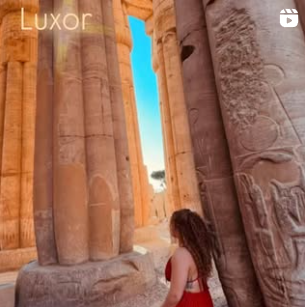
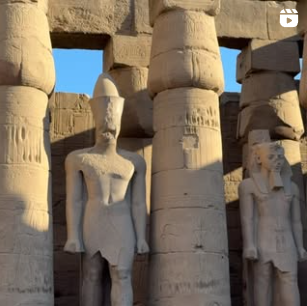
Karnak is the largest archaeological complex on this tour and one of the defining monuments of the East Bank. Its precincts, pylons, columns, obelisks, statues, and reliefs reflect additions made across many centuries. The Great Hypostyle Hall is especially memorable, with its forest of massive columns and carved surfaces.
The complex was dedicated primarily to Amun-Ra and developed as a major religious center. Visiting Karnak with an Egyptologist guide helps connect the architecture to the political and religious history of Thebes rather than reducing the site to a series of impressive ruins. Entrance fees to the mentioned sights are listed as included on the tour page.
Luxor Temple
Luxor Temple stands closer to the modern city and offers a different experience from the expansive precincts of Karnak. The temple was built and enlarged by several rulers, including Amenhotep III and Ramesses II, and was connected with royal ceremonies and the Opet Festival.
The Avenue of Sphinxes is the historic processional route associated with the two temples. Restored sections are accessible to visitors, but the tour page does not list a dedicated walk along the avenue as a separate stop. The tour’s confirmed East Bank visits are Karnak Temple and Luxor Temple.
What Is the West Bank of Luxor, Egypt?
The West Bank of Luxor is the area west of the Nile and is commonly known as the Theban Necropolis. It contains royal tombs, mortuary temples, and other funerary monuments. Ancient Egyptian beliefs about the setting sun and the afterlife helped shape the traditional association between the western horizon and burial landscapes.
This tour visits three West Bank highlights: the Valley of the Kings, the Temple of Queen Hatshepsut, and the Colossi of Memnon. The Valley of the Queens, Medinet Habu, the Ramesseum, and other parts of the Theban Necropolis are also on the West Bank, but they are not listed in this tour’s itinerary.
Valley of the Kings
The Valley of the Kings is the main royal-tomb visit on the tour. Pharaohs of the New Kingdom were buried in rock-cut tombs in this desert valley, where corridors and chambers were decorated with religious texts, hieroglyphs, and scenes connected with the journey to the afterlife.
The page describes a selection of tombs rather than one fixed list. It also identifies the tomb of Tutankhamun as an optional add-on requiring an extra ticket. That ticket is therefore not presented as part of the stated standard entrance fees. Your guide can explain how the tombs fit into the wider history of New Kingdom kingship and funerary belief.
Temple of Queen Hatshepsut
At Deir el-Bahari, the Temple of Queen Hatshepsut rises in terraces against the cliffs. Its design uses long colonnades and broad platforms to create a strong relationship between architecture and landscape. Reliefs and surviving decoration record religious themes and the story of Hatshepsut’s expedition to Punt.
The temple is a mortuary monument, not a conventional residence or palace. On this tour, it provides an important contrast with the Valley of the Kings: both are connected with royal death and remembrance, but one is a monumental temple while the other is a network of hidden rock-cut tombs.
Colossi of Memnon
The Colossi of Memnon are two monumental seated statues of Amenhotep III on the West Bank. They once stood at the entrance to his mortuary temple, much of which no longer survives. The tour lists the Colossi as a short photo stop.
Luxor East Bank vs West Bank: What Is the Difference?
The simplest answer is that the East Bank is centered on temples and the living city, while the West Bank is known for royal tombs, mortuary temples, and the Theban Necropolis. The distinction is useful for planning, but both sides form one connected historical landscape around the Nile.
| Comparison | East Bank | West Bank |
| Historical purpose | Religious ceremonies, temples, and the living city of ancient Thebes. | Burial, royal remembrance, and funerary monuments. |
| Location | East of the Nile River. | West of the Nile River. |
| Main attractions | Karnak Temple and Luxor Temple. | Valley of the Kings, Temple of Hatshepsut, and Colossi of Memnon. |
| Type of monuments | Temple complexes, pylons, columns, statues, and ceremonial spaces. | Rock-cut tombs, mortuary temples, and monumental statues. |
| Visitor experience | Open temple precincts and large architectural spaces near modern Luxor. | Desert valleys, cliff-side monuments, tomb interiors, and archaeological landscapes. |
| Why visit | To understand the religious and ceremonial center of Thebes. | To explore royal burial traditions and the ancient afterlife landscape. |
Seeing both sides gives the history more context. The East Bank shows the public temples of Thebes. The West Bank shows how royal burial, mortuary worship, and the setting sun shaped the monuments across the river. A guided tour covering both banks is therefore more coherent than visiting only one side.
Practical Tips for Visiting Luxor’s East and West Banks
Plan for a full day. The itinerary combines major sites on opposite sides of the Nile, so comfortable shoes, sun protection, a hat, and water are sensible choices. Tombs and temple areas may include uneven ground, steps, exposed paths, and limited shade.
Photography rules can vary by site and may differ between outdoor areas and tomb interiors. Follow the instructions given at each monument and by your guide. Do not assume that flash photography, tripods, or photography inside every tomb is permitted.
The standard tour page says entrance fees to the mentioned sights are included. It separately identifies Tutankhamun’s Tomb as an optional extra ticket, so ask which tombs are covered by the standard Valley of the Kings admission and what additional tickets are available before the visit.
The tour begins with pickup from a hotel or Nile cruise in Luxor and ends with return transportation. It uses a private air-conditioned vehicle. The page also refers to a Nile boat trip in the itinerary, but the inclusion section does not clearly define whether that boat trip is part of the standard package. Confirm the boat arrangement, meal location, and any related ticket requirements when you enquire about the Luxor tour.
Frequently Asked Questions
What is the East Bank of Luxor?The East Bank is the side of the Nile where modern Luxor developed and where the major temple complexes of Karnak and Luxor are located. In the context of ancient Thebes, it is traditionally associated with temples, religious ceremonies, and the living city. This tour visits both Karnak Temple and Luxor Temple on the East Bank.
What is the West Bank of Luxor, Egypt?The West Bank is the area west of the Nile known for the Theban Necropolis. It contains royal tombs, mortuary temples, and other funerary monuments. This tour visits the Valley of the Kings, the Temple of Queen Hatshepsut, and the Colossi of Memnon on the West Bank.
What is the difference between the East Bank and West Bank of Luxor?The East Bank is primarily associated with temples and the ancient city’s religious life. The West Bank is primarily associated with royal burials and mortuary monuments. The difference reflects ancient Egyptian beliefs and the role of the setting sun, but both banks belong to the wider landscape of ancient Thebes.
Is the Valley of the Kings on the East or West Bank?The Valley of the Kings is on the West Bank of Luxor. It is a royal necropolis containing rock-cut tombs of New Kingdom pharaohs. The tour visits the valley before continuing to Hatshepsut Temple and the Colossi of Memnon.
Is Karnak Temple on the East or West Bank?Karnak Temple is on the East Bank of the Nile in Luxor. It is a large temple complex associated primarily with Amun-Ra. On this tour, Karnak is visited after the West Bank stops and the lunch break.
Can you visit both banks of Luxor in one day?Yes. This tour is listed as a full-day itinerary that visits the West Bank in the morning and the East Bank later in the day. Because the schedule covers several major monuments, expect a busy day with walking, outdoor exposure, and time spent inside archaeological sites.
Are entrance tickets included in this Luxor tour?The tour page states that entrance fees to all mentioned sights are included. It also identifies Tutankhamun’s Tomb as an optional add-on with an extra ticket. Confirm the standard tomb selection and any optional admissions when you submit your enquiry.
How do I arrange this tour?The page provides an enquiry form for the Full Day Tour to East and West Banks of Luxor. It is presented as an enquiry-based process rather than instant checkout. You can contact Luxury Tours Egypt to ask about pickup, tickets, and the boat-trip detail before confirming.
Book Your Luxor East and West Bank Tour
Experience the West Bank’s royal tombs and mortuary monuments, then continue to the East Bank temples of Karnak and Luxor with a private Egyptologist guide. The tour page lists private air-conditioned transfers, hotel or Nile cruise pickup and return, entrance fees to the mentioned sights, lunch, mineral water, service charges, and taxes.
Because this tour uses an enquiry form, the appropriate next step is to Enquire About This Tour. Ask Luxury Tours Egypt to confirm the boat-trip arrangement, the standard Valley of the Kings tombs, and any optional ticket requirements before you book.
Overview
Luxor Highlights
- Karnak Temples.
- Luxor Temple.
- Hatshepsut Temple.
- Valley of the Kings.
- Colossi of Memnon.