



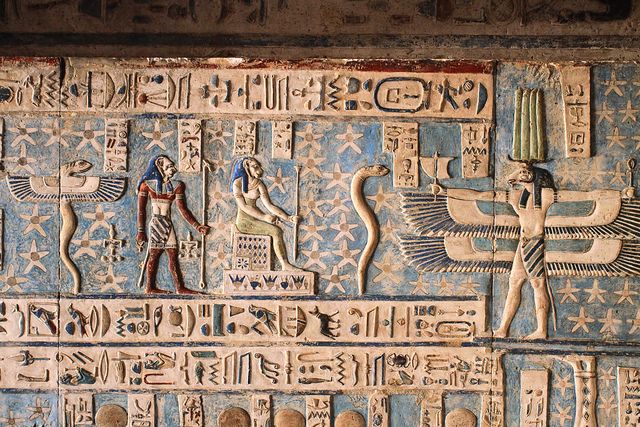
Dendara and Abydos Temples Day Tour from Luxor
Step beyond the most visited monuments of Luxor and discover two of Upper Egypt’s most extraordinary sacred sites on this private Dendara and Abydos Temples Day Tour from Luxor. This full-day journey is designed for travelers who want deeper history, quieter temples, beautiful countryside, and expert Egyptology insight in one unforgettable day.
Travel in comfort from Luxor through the Nile Valley to visit the magnificent Temple of Hathor at Dendara, one of the best-preserved temple complexes in Egypt and a masterpiece of sacred architecture. Then continue to Abydos, one of ancient Egypt’s most revered pilgrimage cities, where the Temple of Seti I preserves exceptional reliefs, royal sanctuaries, Osirian symbolism, and the famous Abydos King List.
What is the Dendara and Abydos Temples Day Tour from Luxor?
The Dendara and Abydos Temples Day Tour from Luxor is a private full-day historical excursion visiting the Temple of Hathor at Dendara and the Temple of Seti I at Abydos. It includes comfortable transfers, an Egyptologist guide, sacred temple reliefs, the Abydos King List, lunch, and return to Luxor.
Quick Facts
| Detail | Information |
| Duration | Full-day private tour |
| Tour Type | Historical, cultural, archaeological, private day trip |
| Departure | Hotel, Nile cruise, or agreed pickup point in Luxor |
| Destination | Dendara Temple and Abydos Temple |
| Transport | Private air-conditioned vehicle |
| Guide | Professional Egyptologist guide |
| Meals | Lunch included according to selected package |
| Language | English; other languages available on request |
| Difficulty | Easy to moderate |
| Ideal For | Couples, families, seniors, solo travelers, history lovers, luxury travelers and small groups |
Why Choose This Dendara and Abydos Temples Day Tour from Luxor?
This tour is ideal for travelers who want to experience Ancient Egypt beyond the classic East Bank and West Bank highlights. Luxor is home to some of Egypt’s most famous sites, but Dendara and Abydos offer a quieter, more intimate way to understand temple art, sacred geography, royal memory, and ancient Egyptian religion.
Private Experience
A private tour gives you the freedom to travel at a comfortable pace, ask detailed questions, spend longer at the reliefs that interest you, and avoid the rushed feeling of large group tours. The route is especially rewarding for travelers who value comfort, clarity, and personal attention.
Egyptologist Guide
Dendara and Abydos are rich in symbolism. A qualified Egyptologist helps you understand what you are seeing: Hathor’s role as a goddess of music, joy, motherhood, and the sky; Seti I’s royal theology; the cult of Osiris; and the meaning of temple reliefs, sanctuaries, hieroglyphics, and ritual scenes.
Comfortable Transportation
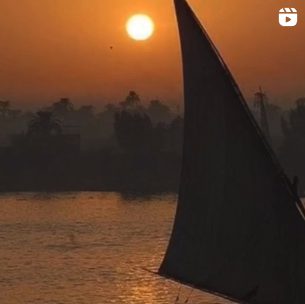
The journey from Luxor passes through the landscapes of Upper Egypt, including agricultural villages, Nile Valley scenery, desert edges, and local life away from the main tourist circuit. Private air-conditioned transport makes the long day smooth, relaxed, and efficient.
Less Crowded Than Major Sites
Compared with Karnak, Luxor Temple, or the Valley of the Kings, Dendara and Abydos usually feel calmer. This makes them excellent for photography, slow observation, and travelers who want to experience sacred spaces without heavy crowds.
Rich Historical Significance
The Temple of Hathor at Dendara is known for its preservation, decorated ceilings, columns, crypts, astronomical scenes, and Hathoric imagery. Egypt’s Ministry of Tourism and Antiquities describes Hathor’s main cult center as Dendara and identifies its temple as one of the best-preserved temples in Egypt.
Abydos, meanwhile, was one of ancient Egypt’s most sacred places. The American Research Center in Egypt notes that Abydos was a necropolis for Egypt’s earliest kings and later became a pilgrimage center for the worship of Osiris.
Great Value for Serious Travelers
This day trip adds depth to any Luxor stay. If you are already exploring, Dendara and Abydos provide a powerful next layer: fewer crowds, richer context, and temples that reveal a different side of Egyptian civilization.#

Tour Highlights
Temple of Hathor
Visit the spectacular Temple of Hathor at Dendara, a sanctuary dedicated to one of ancient Egypt’s most beloved goddesses. Hathor was associated with music, joy, dance, motherhood, love, and the sky, making this temple especially rich in symbolic decoration.
Dendara Zodiac
Explore the story of the famous Dendara and Abydos Zodiac, an astronomical relief originally from a chapel roof in the Dendara temple complex. The original is now in the Louvre collection in Paris, while the temple remains famous for its celestial and astronomical imagery.
Colorful Temple Ceilings
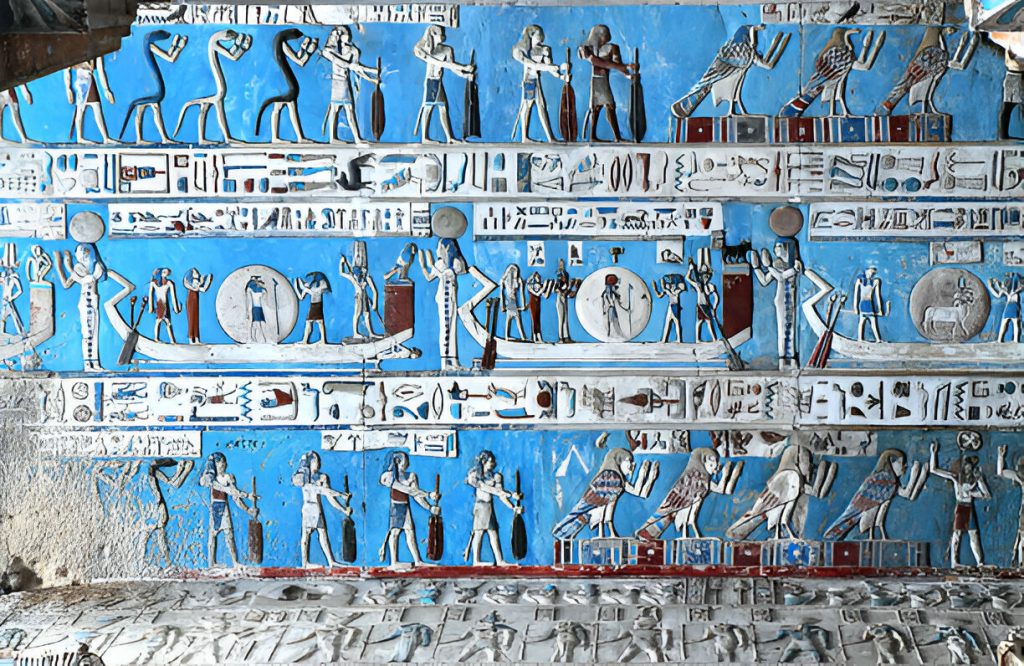
Dendara is especially admired for its restored ceilings, deep blues, astronomical scenes, and beautifully preserved decorative programs. These ceilings create one of the most visually impressive temple interiors in Egypt.
Temple of Seti I
At Abydos, discover the Temple of Seti I, one of the most elegant religious monuments of the New Kingdom. Its walls preserve refined reliefs, royal ritual scenes, and sanctuaries dedicated to major deities.
Abydos King List
See the famous Abydos King List, a royal list carved in the Temple of Seti I. ARCE identifies it as a New Kingdom, Dynasty 19 monument from the reign of Seti I, while also noting that such lists served a cultic function rather than acting as simple chronological records.
Sacred Sanctuaries
Explore the temple’s chapels and sanctuaries connected with Seti I, Osiris, Isis, Horus, Amun-Ra, Ra-Horakhty and Ptah. This is one of the best places to understand how kingship, gods, ritual, and afterlife beliefs were connected.
Ancient Reliefs
Both Dendara and Abydos preserve remarkable reliefs, but they feel different. Dendara is vivid, celestial, and Hathoric; Abydos is solemn, royal, and deeply Osirian.
Egyptian Countryside
The drive itself is part of the experience. Travel through Upper Egypt’s rural landscapes and see a side of the Nile Valley that most short-stay visitors miss.
Lunch Included
Enjoy a relaxing lunch during the day, with time to rest before returning to Luxor.
Detailed Tour Itinerary
Hotel Pickup in Luxor
Your private day tour begins with pickup from your hotel, Nile cruise, or agreed meeting point in Luxor. Your guide and driver will meet you in the morning, help you settle into your private air-conditioned vehicle, and introduce the route for the day.
This is a full-day experience, so an early start is recommended. Leaving early allows you to enjoy cooler temperatures, smoother travel, and more time inside the temples.
Scenic Drive through Upper Egypt
As you leave Luxor, the landscape changes from city streets to agricultural villages, palm groves, fields, canals, and stretches of desert beyond the fertile Nile Valley. This drive gives you a valuable glimpse into everyday life in Upper Egypt.
Your Egyptologist guide may use the journey to explain why this region was so important to ancient Egyptian religion, royal power, agriculture, and sacred geography.
Explore Dendara Temple
Your first major stop is Dendara, home to the Temple of Hathor. The temple complex is one of Egypt’s most rewarding sites because it combines monumental architecture with vivid details that are still easy to appreciate today.
The entrance, columns, reliefs, ceilings, crypts, chapels, and roof areas reveal a temple that was not only a place of worship but also a symbolic model of the cosmos. Every surface has meaning, from the Hathor-headed columns to the astronomical ceiling scenes.
Visit the Temple of Hathor
Inside the Temple of Hathor, your guide will help you read the visual language of ancient Egyptian religion. Hathor appears as a goddess of joy, music, motherhood, beauty, love, and the sky. Her presence gives the temple a character that feels different from the more martial or funerary atmosphere of other Egyptian monuments.
The temple is also famous for its celestial imagery. The Dendara Zodiac and astronomical ceiling scenes reflect ancient attempts to connect temple ritual, divine order, time, stars, and sacred cycles. The original Dendara Zodiac relief entered the Louvre collection in the 19th century, making the temple’s astronomical tradition internationally known.
Continue to Abydos
After Dendara, continue by private vehicle toward Abydos. The road offers more views of Upper Egypt’s countryside and gives your guide time to prepare you for the deeper spiritual character of the next site.
Abydos is not simply another temple stop. It was one of ancient Egypt’s holiest cities and became closely associated with Osiris, the god of the afterlife, resurrection, and renewal.
Discover the Temple of Seti I
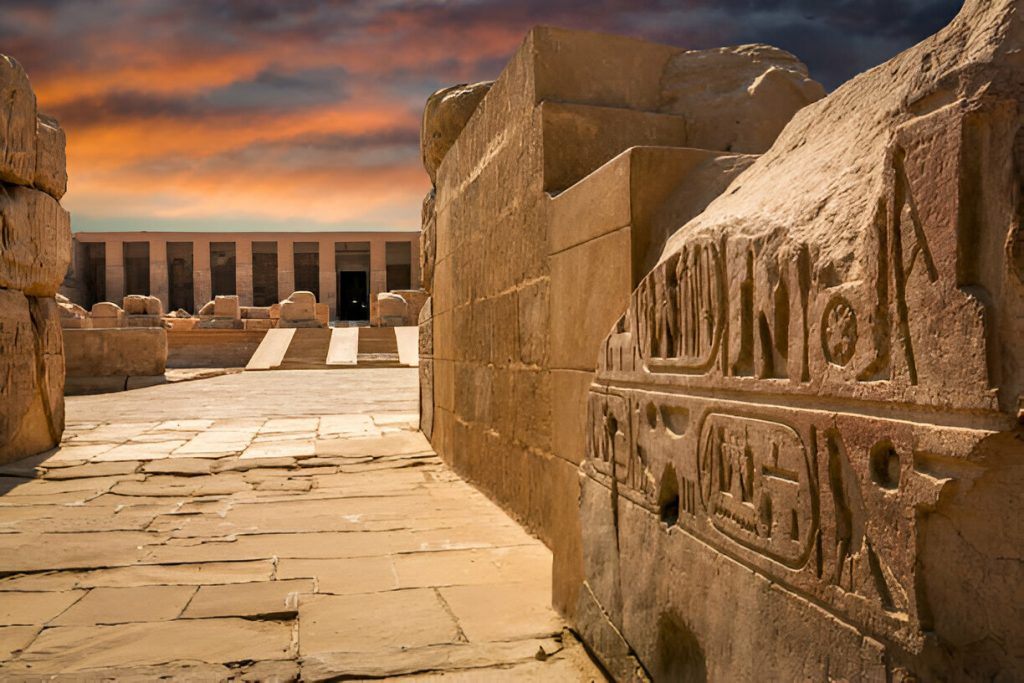
On arrival in Abydos, explore the Temple of Seti I, one of the most important sacred monuments in Egypt. The temple is admired for its unusually refined reliefs, elegant layout, royal sanctuaries, and theological depth.
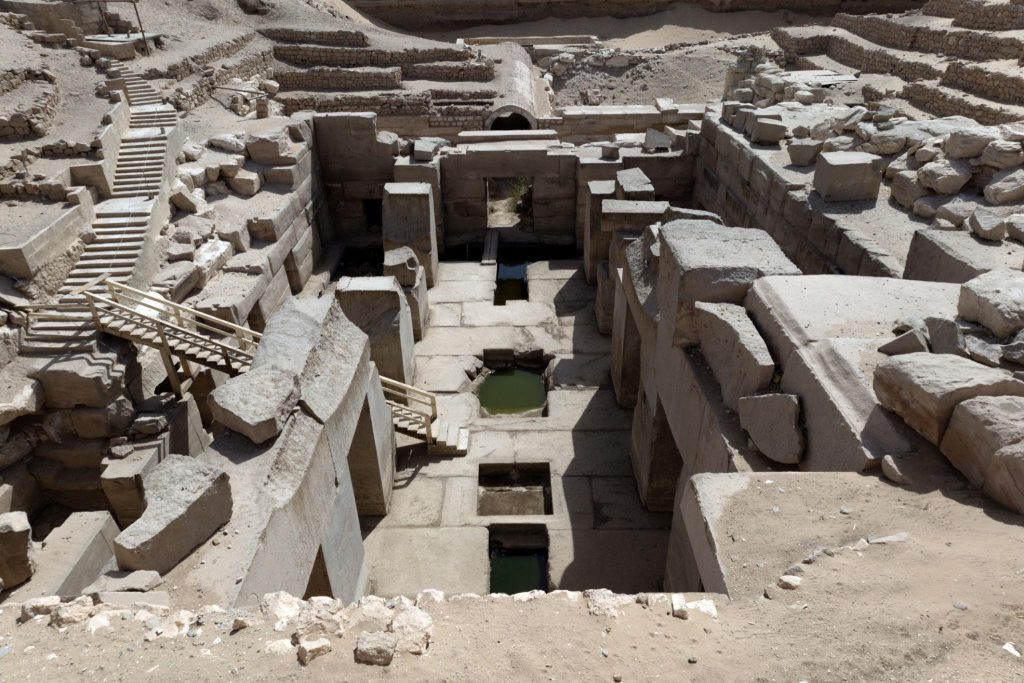
The American Research Center in Egypt notes that the Temple of Seti I is located in Abydos, one of ancient Egypt’s most important archaeological sites, and that the temple has an unusual L-shaped plan built primarily of limestone, with some sandstone.
Inside, your guide will explain the temple’s ritual scenes, chapel arrangement, sacred symbolism, and connection with Seti I and Ramesses II. You will also visit the area of the Abydos King List, one of the most famous royal records in Egypt.
Learn About Osiris
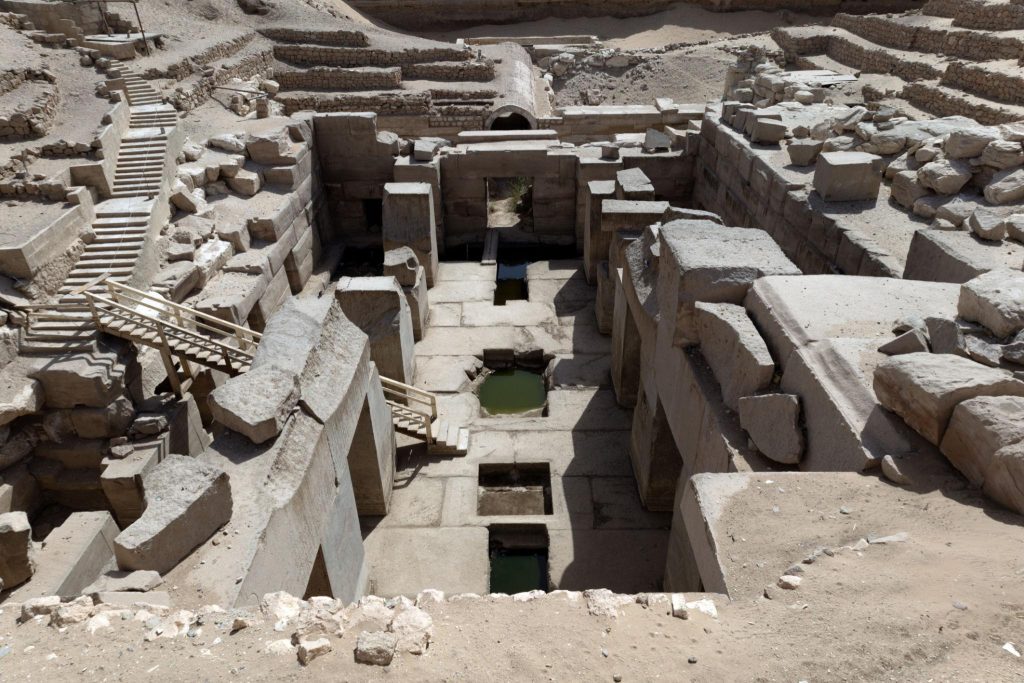
Abydos was central to the cult of Osiris. Ancient Egyptians associated the site with death, resurrection, royal legitimacy, and pilgrimage. Abydos Archaeology describes the site as one of ancient Egypt’s most sacred places and as a cult-place of Osiris.
Your guide will explain why pilgrims came to Abydos, how Osiris shaped ancient Egyptian afterlife beliefs, and why kings used the site to connect themselves with divine order and ancestral legitimacy.
Enjoy Lunch
After exploring the temples, enjoy lunch during the day according to your selected package. This is a welcome break after a rich morning of history, walking, photography, and interpretation.
Return to Luxor
After lunch and final photo opportunities, begin the drive back to Luxor. You will return to your hotel, Nile cruise, or agreed location with a deeper understanding of Egyptian civilization and two unforgettable temple experiences beyond the busiest tourist routes.

Why Is Dendara and Abydos Temple One of Egypt’s Best-Preserved Temples?
Dendara Temple is considered one of Egypt’s most remarkable preserved temple complexes because it combines strong architecture, rich decoration, symbolic ceilings, detailed reliefs, and an unusually atmospheric visitor experience.
History
Dendara was the main cult center of Hathor, one of ancient Egypt’s most important goddesses. The surviving temple reflects a long tradition of worship at the site, with major visible structures from the Ptolemaic and Roman periods. UNESCO’s Tentative List entry for Pharaonic temples in Upper Egypt includes Dendara among major Ptolemaic and Roman temple sites and highlights the exceptional quality of relief sculpture there.
Architecture
The temple’s façade, columns, halls, stairways, crypts, roof chapels, and sanctuaries create a layered experience. It is not only beautiful; it is also architecturally instructive. Visitors can understand how temple space moved from public areas toward increasingly sacred interior rooms.
Astronomical Ceiling
Dendara is famous for astronomical scenes and celestial symbolism. The Dendara Zodiac is one of the best-known examples, and the original relief is housed in the Louvre collection.
Religious Importance
The temple reveals how ancient Egyptians connected goddess worship, cosmic order, music, fertility, kingship, time, and ritual. Hathor’s role as “Lady of the Sky” helps explain why celestial imagery appears so prominently at Dendara.
Visitor Experience
For modern travelers, Dendara feels visually generous. Reliefs are clear, ceilings retain color, columns are photogenic, and many symbolic details remain visible. This makes it rewarding for both first-time visitors and experienced Egypt travelers.
Why Is Dendara and Abydos One of Ancient Egypt’s Holiest Cities?
Abydos was one of ancient Egypt’s most sacred cities because it joined royal ancestry, the cult of Osiris, pilgrimage, burial traditions, and temple ritual into one powerful spiritual landscape.
Temple of Seti I
The Temple of Seti I is the main highlight for most visitors today. It is celebrated for its elegant reliefs, chapels, sacred imagery, and connection to royal memory. Its art is often described as some of the finest relief work of the New Kingdom.
Osiris Cult
Abydos became a central place for the worship of Osiris, the god of the afterlife and resurrection. Abydos Archaeology describes the town as home to the cult-place of Osiris and one of ancient Egypt’s most sacred sites.
Abydos King List
The Abydos King List is one of the temple’s most famous features. It presents royal names in a sacred setting and reflects how Seti I connected his reign with selected earlier pharaohs. ARCE emphasizes that ancient king lists served cultic purposes and should not be treated as simple neutral timelines.
Pilgrimage Site
For ancient Egyptians, Abydos was a place of spiritual aspiration. Pilgrims wanted symbolic closeness to Osiris, and many sought memorial presence in the sacred landscape. UNESCO’s Tentative List identifies Abydos as a “city of pilgrimage of the Pharaohs.”
Historical Importance
Abydos connects the earliest kings of Egypt, New Kingdom royal devotion, Osirian religion, and later traditions of pilgrimage. It is one of the best places to understand how ancient Egyptians imagined kingship, memory, death, and eternal renewal.
Who Is This Tour Perfect For?
Couples
This tour is ideal for couples who want a meaningful private day away from the busiest Luxor sites. The temples are atmospheric, photogenic, and rich in stories.
Families
Families with curious children or teenagers will enjoy the visual nature of the temples, the countryside drive, and the fascinating stories of gods, kings, hieroglyphics, and ancient astronomy.
Solo Travelers
Solo travelers benefit from a private guide who can answer questions, provide context, and make the long day feel safe, structured, and engaging.
Seniors
The tour is generally suitable for seniors who are comfortable with a full-day outing and moderate walking. Private transport makes the experience easier than a large group excursion.
Luxury Travelers
Travelers who value comfort, expertise, privacy, and seamless organization will appreciate the door-to-door structure and personalized pace.
Egyptology Enthusiasts
If you are passionate about Ancient Egypt, this is one of the most rewarding day trips from Luxor. Dendara and Abydos offer deep insight into religion, kingship, ritual, astronomy, and temple decoration.
Cultural Travelers
This tour is perfect for travelers who want a broader understanding of Egyptian civilization beyond the most famous highlights.
Travel Tips Before You Go
Clothing
Wear light, breathable clothing for most of the year. In winter, bring a light jacket for early morning departure and evening return.
Comfortable Shoes
Choose comfortable walking shoes with good grip. Temple floors, courtyards, and archaeological areas can be uneven.
Sun Protection
Bring sunglasses, a hat, and sunscreen. Even in cooler months, Upper Egypt’s sun can be strong during midday.
Camera
Dendara and Abydos are excellent photography sites. Bring a charged phone or camera, extra battery, and enough memory space.
Cash
Carry some Egyptian pounds for tips, drinks, small purchases, or personal expenses.
Weather
Upper Egypt is generally dry and sunny. Summer can be very hot, so early departure, hydration, and sun protection are especially important.
Etiquette
Respect temple walls and reliefs. Do not touch carvings, climb on ancient structures, or use flash where prohibited. Follow your guide’s instructions inside sacred and protected areas.
Comparison: Dendara and Abydos vs Other Luxor Day Trips
| Visite | Best For | Crowd Level | Historical Focus | Main Advantage |
| Dendara and Abydos | Deep history, sacred temples, Egyptology lovers | Low to moderate | Hathor, Osiris, Seti I, King List | Less crowded and highly meaningful |
| East Bank Luxor | First-time visitors | High | Karnak and Luxor Temple | Essential classic Luxor experience |
| West Bank Luxor | Tombs, royal afterlife, iconic sites | High | Valley of the Kings, Hatshepsut | Must-see pharaonic monuments |
| Edfu and Kom Ombo | Nile cruise travelers | Moderate | Horus, Sobek, Ptolemaic temples | Strong option between Luxor and Aswan |
| Esna Temple | Short cultural stop | Low | Khnum and Roman-period decoration | Easier half-day option |
For travelers building a complete itinerary, this tour pairs beautifully with other Luxor Tours & Attractions.

Frequently Asked Questions
Is the Dendara and Abydos Temples Day Tour from Luxor worth it? Yes, this tour is worth it for travelers who love history, temples, archaeology, and quieter sites. Dendara offers one of Egypt’s best-preserved temple experiences, while Abydos is deeply connected with Osiris, royal memory, and the Temple of Seti I. It is especially rewarding after visiting Luxor’s main monuments.
Can I visit Dendara and Abydos in one day from Luxor? Yes, Dendara and Abydos can be visited in one full day from Luxor with private transportation. The route involves several hours of driving, so a private vehicle and early departure are recommended. This allows enough time for guided visits, photography, lunch, and a comfortable return to Luxor.
What is Dendara and Abydos Temple famous for? Dendara Temple is famous for the Temple of Hathor, Hathor-headed columns, colorful ceilings, astronomical scenes, crypts, roof chapels, and the Dendara Zodiac tradition. Egypt’s Ministry of Tourism and Antiquities identifies Dendara as Hathor’s main cult center and describes its temple as one of Egypt’s best-preserved temples.
What is Abydos famous for? Abydos is famous as one of Ancient Egypt’s holiest cities, a pilgrimage center connected with Osiris, and the location of the Temple of Seti I. It is also known for the Abydos King List, one of the most discussed royal lists preserved from ancient Egypt.
What is the Dendara and Abydos King List? The Abydos King List is a royal list carved inside the Temple of Seti I. It records selected pharaohs in a sacred context and reflects royal memory, legitimacy, and ritual rather than a simple modern timeline. ARCE dates it to Dynasty 19 during the reign of Seti I.
Is this tour private? Yes, this tour is designed as a private experience. You travel with your own driver and Egyptologist guide, which allows a more flexible pace, better explanations, easier photography, and a more comfortable day than a large group tour.
How do I book this tour? You can book by contacting the travel team with your preferred date, pickup location, number of travelers, language preference, and any special requests. Use the Contact Our Egypt Travel Experts page to check availability and customize your private tour.
Can this tour be customized? Yes, the tour can be customized for pace, pickup time, language, luxury level, family needs, photography interest, or additional Luxor arrangements. Private touring is the best format if you want a more personal and flexible experience.
Aperçu
Excursion d'une journée à Abydos et de Dendara de Louxor
Embarquez sur un magnifique journée de visite avec des Tours de Luxe en Egypte à partir de Louxor découvrir deux de l'Egypte plus célèbre des temples: Dendérah et séthi ier à Abydos. Votre voyage commence par une route panoramique vers le Temple de Dendérah, célèbre pour son architecture exceptionnelle et remarquablement conservé scènes colorées qui apportent les anciens mythes et les rituels de la vie. Dédié à Hathor, la déesse de l'amour, de la musique et de la danse, de Dendera possède aussi l'extraordinaire astronomique représentations, mettant en avant les avancées de la connaissance des anciens Egyptiens.
Ensuite, venture à Abydos, où le Temple de Seti je vous attend. Connu pour son importance historique, ce temple a été commandé par le Roi séthi ier, un mécène de l'art et de l'architecture qui a revitalisé de monuments anciens. Explorer son sacré des sanctuaires dédiés aux rois d'egypte et d'Osiris, et obtenir des informations en Égypte dynastique de l'histoire par le biais de son bien conservé religieux et les merveilles de l'architecture.
Après l'immersion dans la profonde legs de Dendérah et séthi ier du temple, profitez d'un délicieux repas pour le recharger. Réfléchir sur la journée de découvertes comme vous le retour à Louxor, enrichi par la beauté et la richesse culturelle de l'Égypte anciens temples.