









7-Day Pyramids Cairo Tour with Luxor, Aswan and Abu Simbel
Stand before the last surviving Wonder of the Ancient World on a private pyramids Cairo tour that travels far beyond Giza. Over seven carefully planned days, walk through 5,000 years of history, explore royal tombs and sacred temples, experience Egypt’s living culture and follow the Nile Valley from Cairo to Luxor, Aswan and Abu Simbel.
This journey is designed as an ideal introduction to Egypt for travelers who want depth, comfort and efficient logistics. Stand before the Great pyramids of Khufu, decode ancient symbols with an Egyptologist, cross the Nile between temple cities and discover the monumental treasures of Nubia without the stress of arranging separate hotels, guides, tickets and domestic transportation.
The Giza pyramid fields, Ancient Thebes and the Nubian monuments from Abu Simbel to Philae are all recognized within UNESCO World Heritage properties, giving this one-week journey exceptional historical range.
Why Choose This 7-Day Pyramids Cairo Tour?
This private itinerary gives first-time visitors a practical way to see Egypt’s most important historical destinations in one week. It combines professional guiding, premium transportation, carefully selected accommodation and coordinated domestic travel.
Rather than spending valuable vacation time arranging individual excursions, you travel with a clear schedule and local support. Your private Egyptologist explains how the monuments connect across different periods, while your driver and tour coordinators manage airport transfers, hotel check-ins and travel between cities.
Browse more Luxury Egypt Travel Packages when comparing tour lengths, destinations and accommodation categories.
Tour Highlights
This seven-day Egypt itinerary moves through the country’s major periods and landscapes. You will encounter Old Kingdom pyramids, New Kingdom temples, Islamic Cairo, Nubian heritage and the living communities of the Nile Valley.
The Great Pyramids of Giza
Stand beneath the pyramids of Khufu, Khafre and Menkaure on the Giza Plateau. Built as royal funerary monuments during the Fourth Dynasty, the complex also includes subsidiary pyramids, mastaba tombs, temples and ancient causeways.
The Great Pyramid was built for Khufu and is the oldest and largest of the three principal Giza pyramids. Entry inside a pyramid requires a separate timed ticket unless specifically added to the confirmed package.
La Gran Esfinge
Meet the monumental guardian of the Giza Plateau, carved with a lion’s body and a royal human head. Your Egyptologist will discuss its relationship with Khafre’s pyramid complex, the surviving Valley Temple and the many unanswered questions surrounding the monument.
Saqqara Step Pyramids
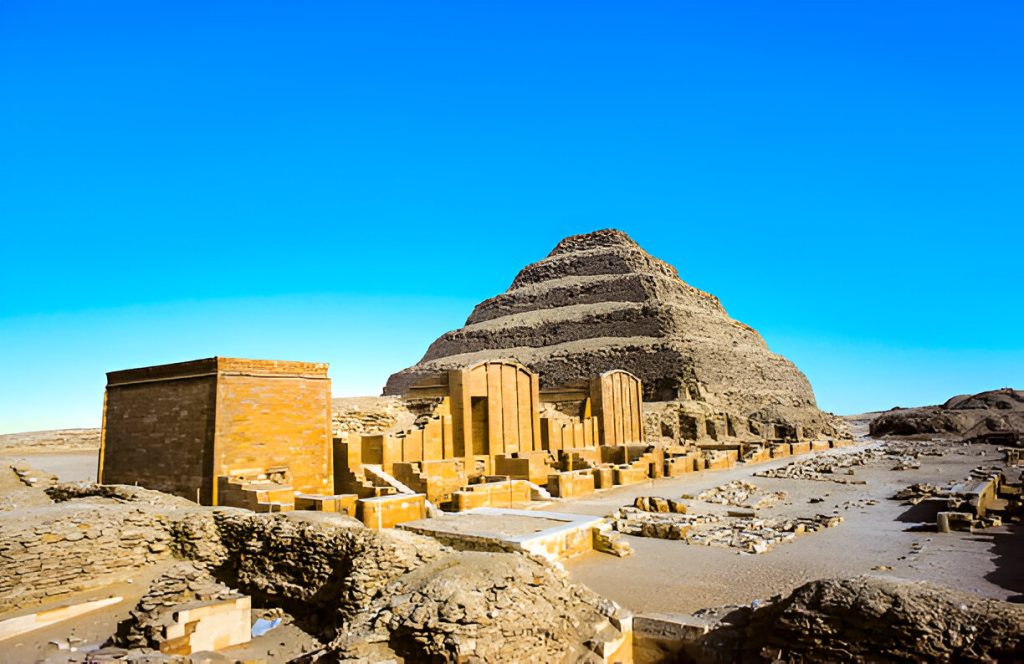
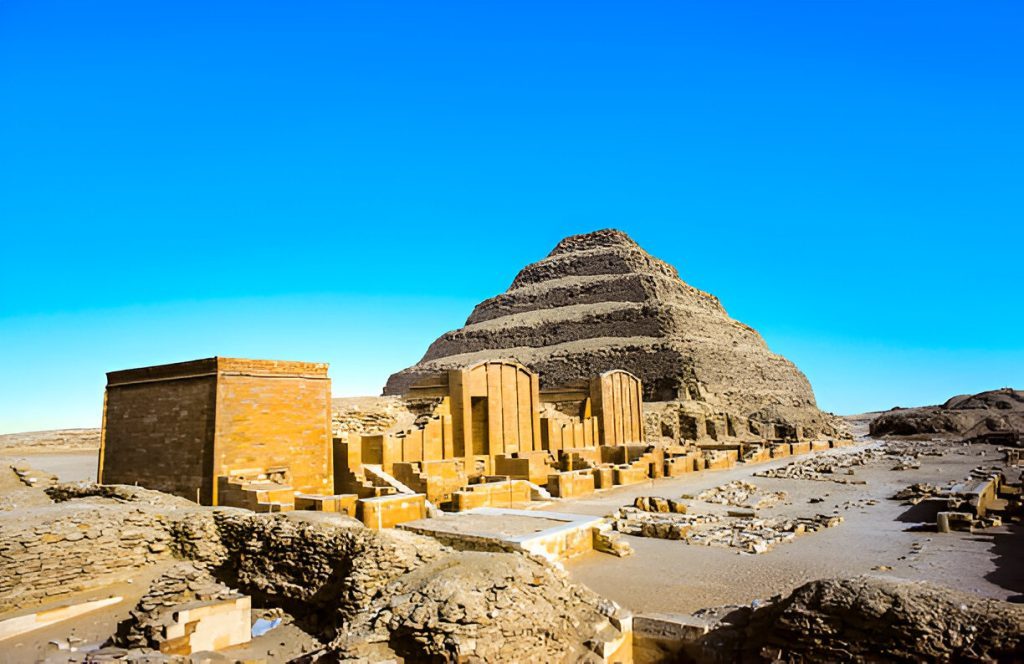
Travel south of Giza to Saqqara, where the Step Pyramid of Djoser transformed royal burial architecture. Built from six stacked mastaba forms during the Third Dynasty, it is regarded as Egypt’s first pyramid and the oldest known monumental stone structure in the country.
Egyptian Museum and Grand Egyptian Museum
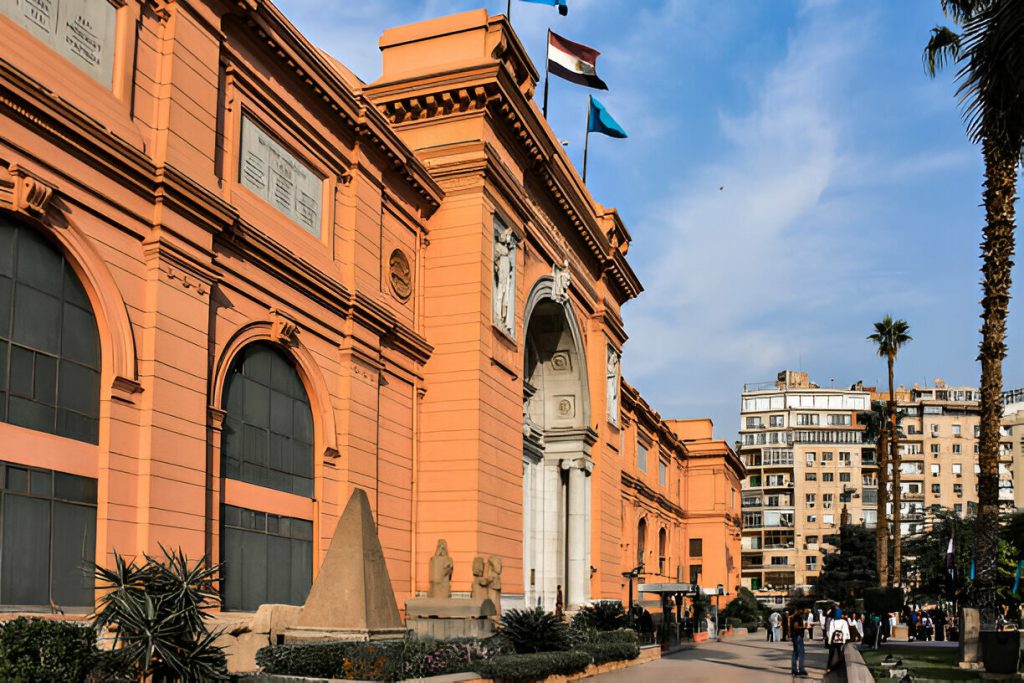
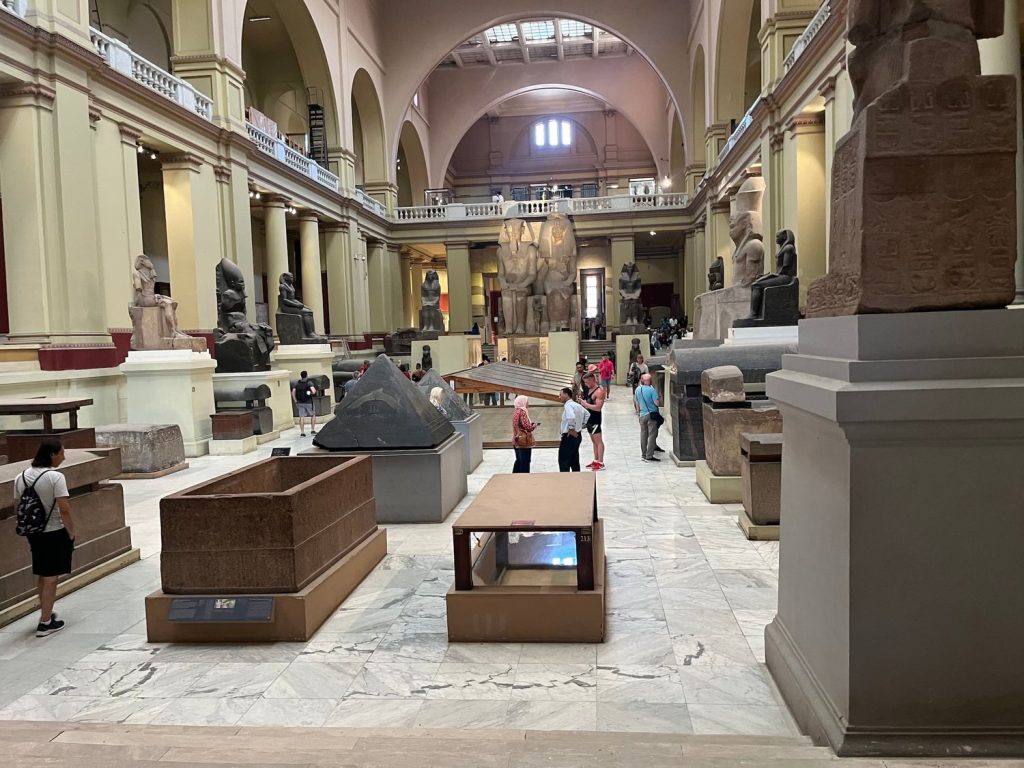
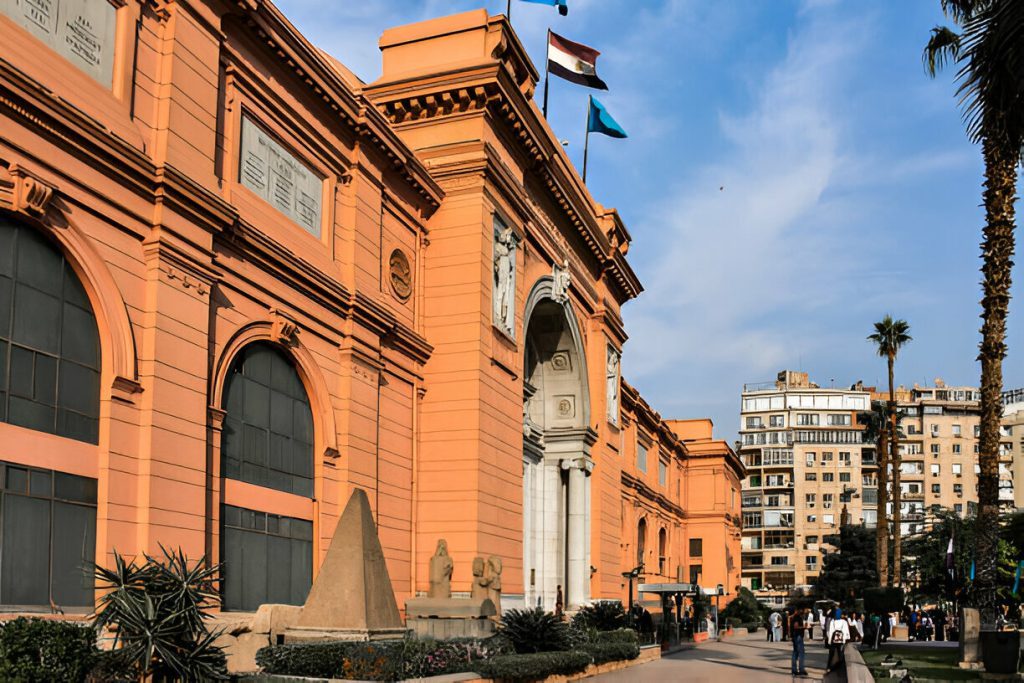
Explore one of Cairo’s principal archaeological collections according to the museum option confirmed for your tour. The Grand Egyptian Museum near Giza fully opened to the public in November 2025 and brings together an extensive collection devoted to ancient Egyptian civilization, including the complete Tutankhamun gallery.
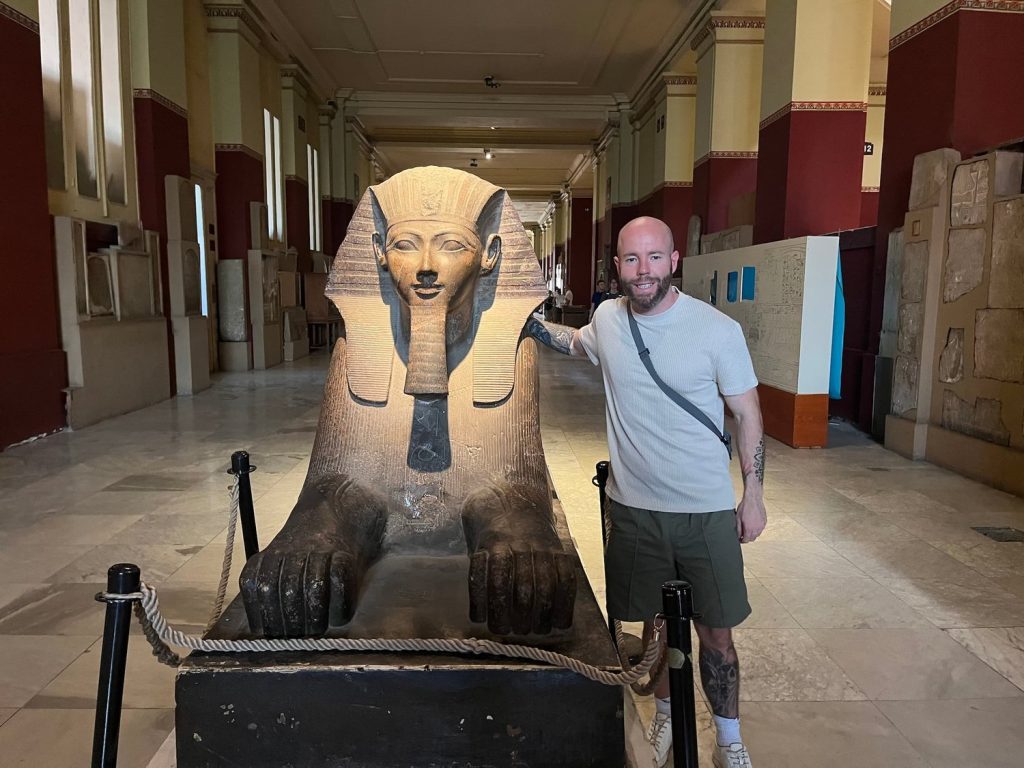
The Egyptian Museum in Tahrir remains valuable for travelers interested in the atmosphere and collections of Cairo’s historic archaeological museum. Your final itinerary will identify the selected museum and included galleries.
Saladin Citadel
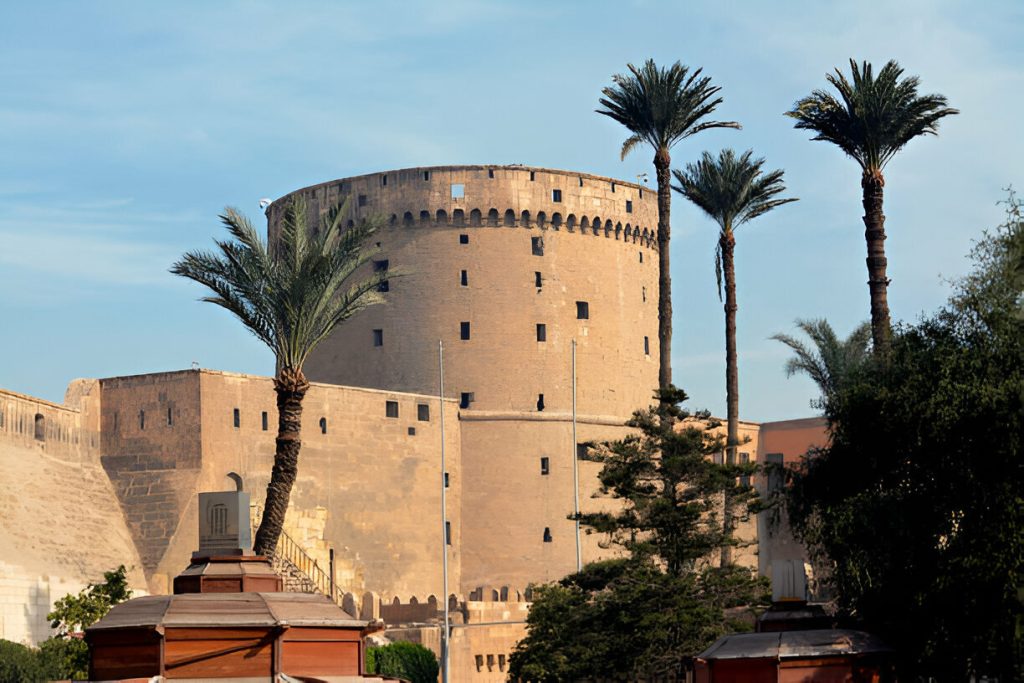
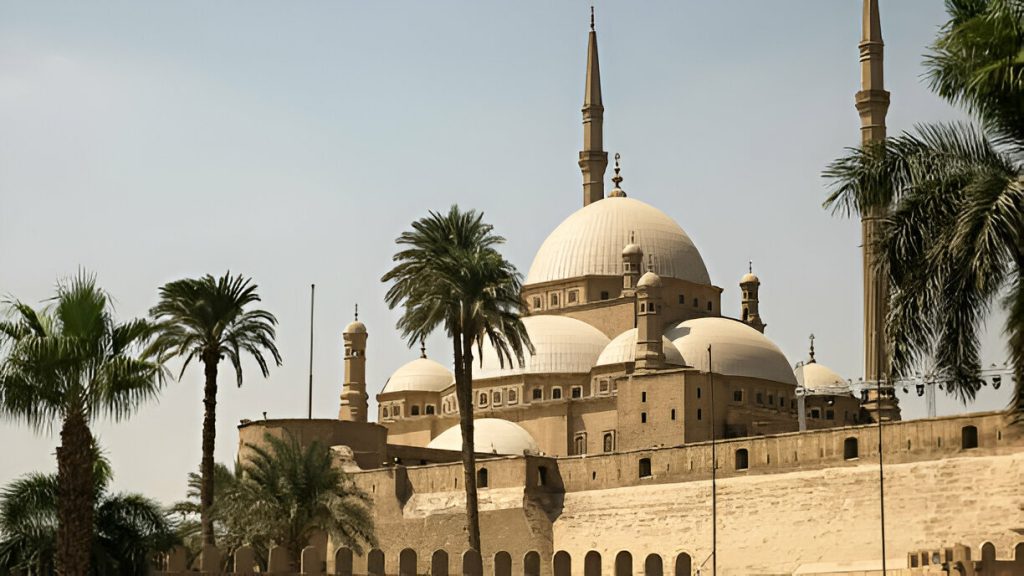
Visit the medieval Citadel of Salah al-Din on the Muqattam Hills and enter the Mosque of Muhammad Ali. Construction of the fortress began under Saladin in 1176, and the elevated site continues to offer broad views across Cairo.
Karnak Temple
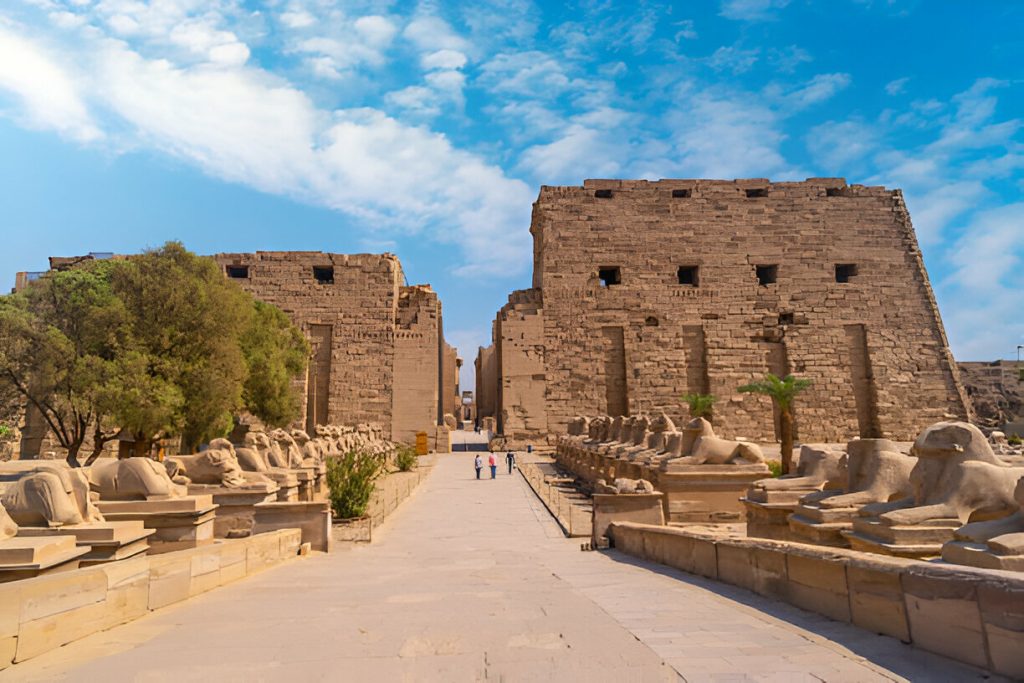
Walk through the vast religious landscape of Karnak, the principal cult center of Amun at ancient Thebes. Successive rulers expanded the complex over centuries, creating monumental pylons, obelisks, sanctuaries, courts and the celebrated Great Hypostyle Hall.
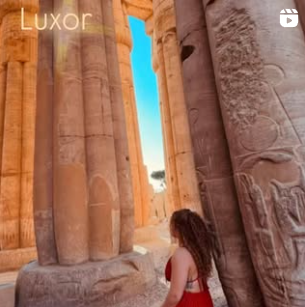
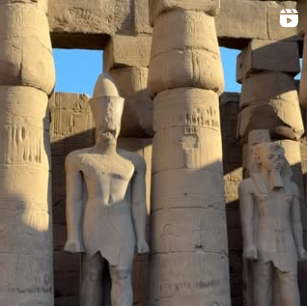
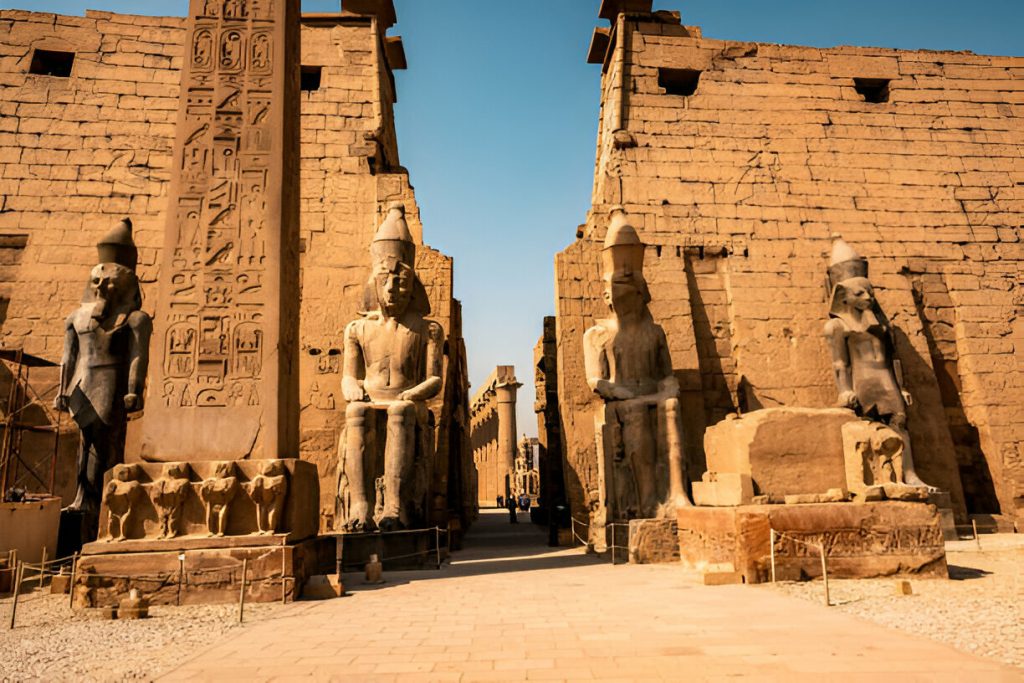
Templo de Luxor
Explore a ceremonial temple built and enlarged by rulers including Amenhotep III and Ramesses II. Luxor Temple was connected with Karnak through the Avenue of Sphinxes and played an important role in festivals associated with divine and royal renewal.
Valle de los Reyes
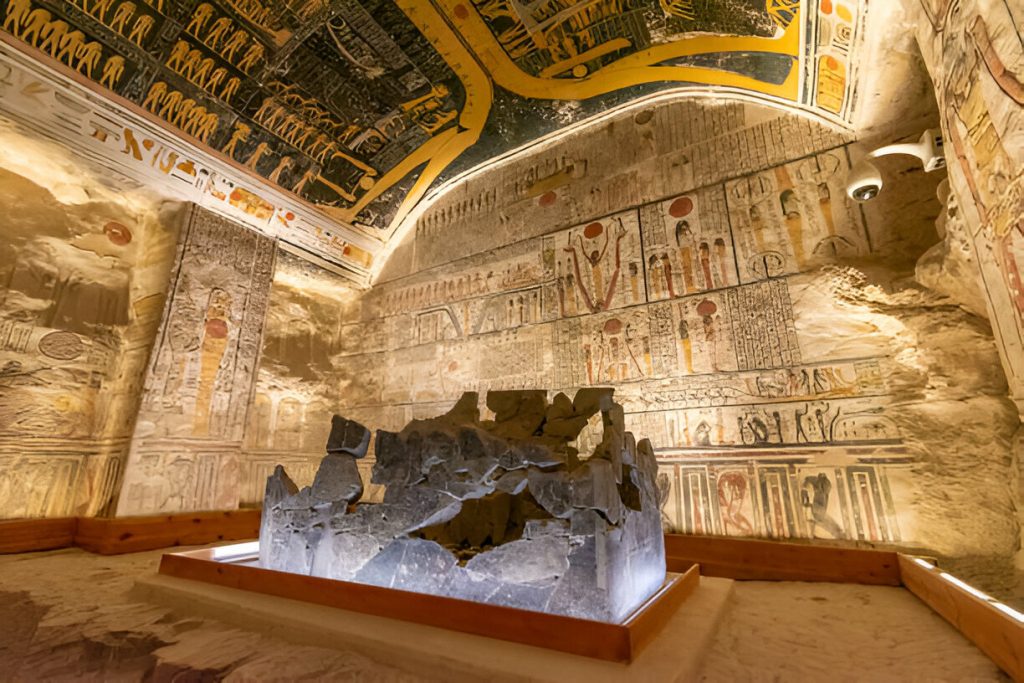
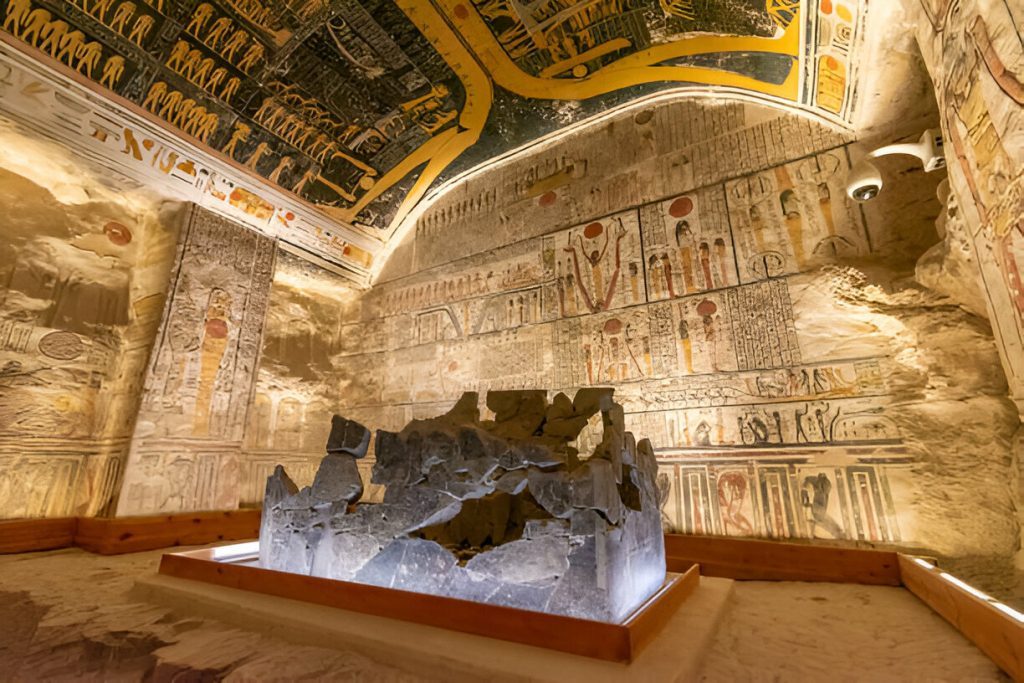
Enter selected royal tombs cut into the desert cliffs on Luxor’s West Bank. The valley was used for New Kingdom royal burials, and the tombs open to visitors rotate as part of ongoing conservation and site management.
Standard admission normally includes a selection of open tombs. Special-entry tombs may require supplementary tickets.
Temple of Hatshepsut
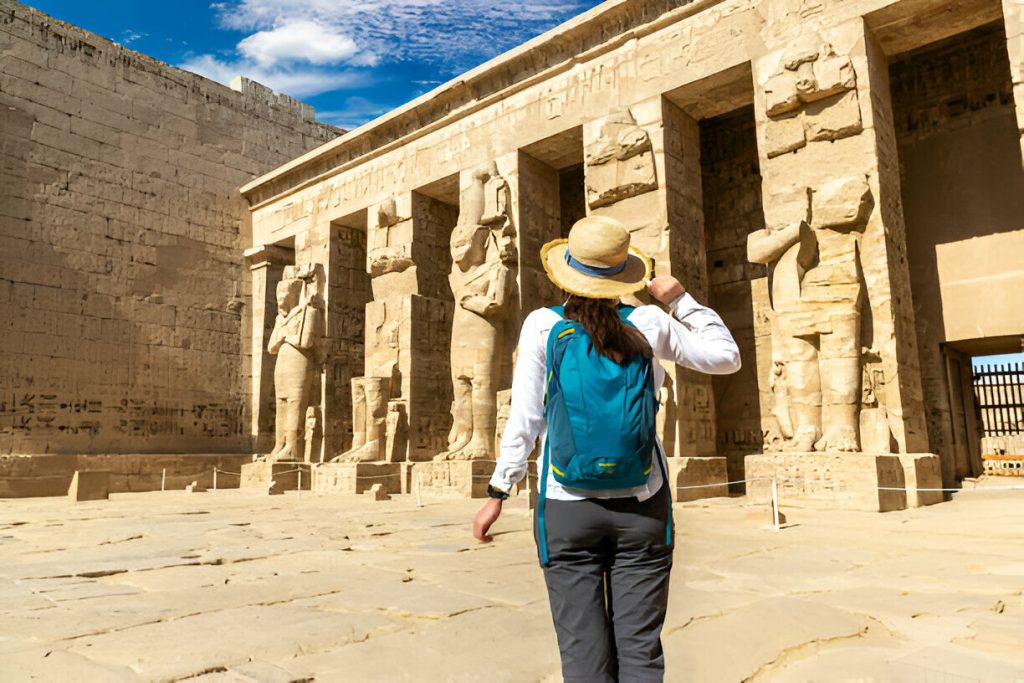
Admire the terraces and colonnades of Hatshepsut’s mortuary temple at Deir el-Bahari. The complex was built for the queen who became pharaoh and includes reliefs connected with divine kingship, ritual activity and the expedition to Punt.
La Presa Alta de Asuán
See the engineering project that transformed water management, electricity generation and the landscape of southern Egypt. The visit also provides essential context for Lake Nasser and the international relocation of endangered Nubian monuments.
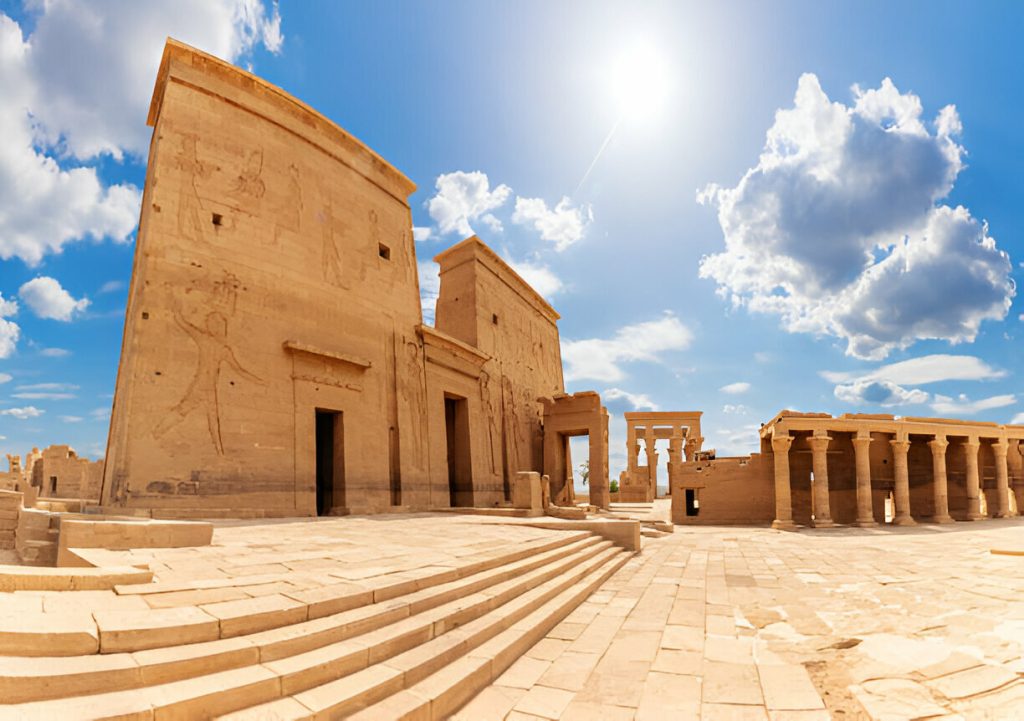
Templo de Filé
Travel by motorboat to the island sanctuary of Isis at Philae. The monument was relocated to Agilkia Island during the international campaign that protected Nubian heritage from the rising waters created by the High Dam.
Templos de Abu Simbel
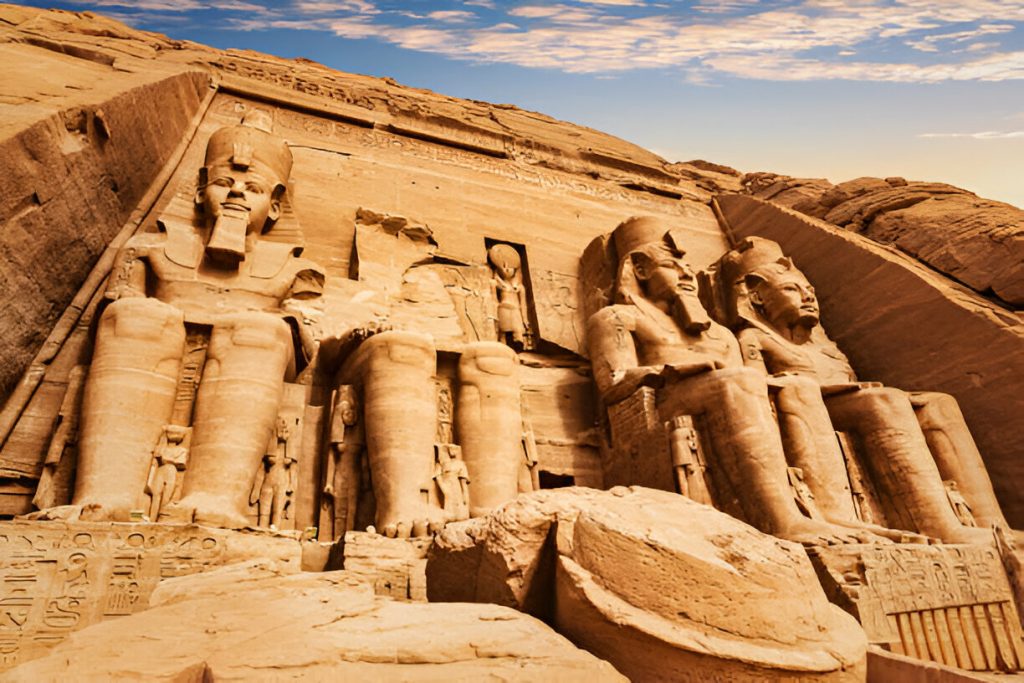
Travel south to the rock-cut temples of Ramesses II and Queen Nefertari. The Great Temple was carved around the 13th century BC and is dominated by four colossal seated images of Ramesses II, while the nearby temple honors Hathor and Nefertari.
Both temples were dismantled and relocated during an international UNESCO-led rescue campaign before the original site was submerged.
Siwa Oasis Adventure — Optional Extension
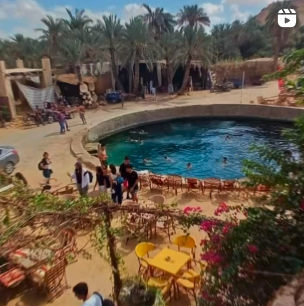
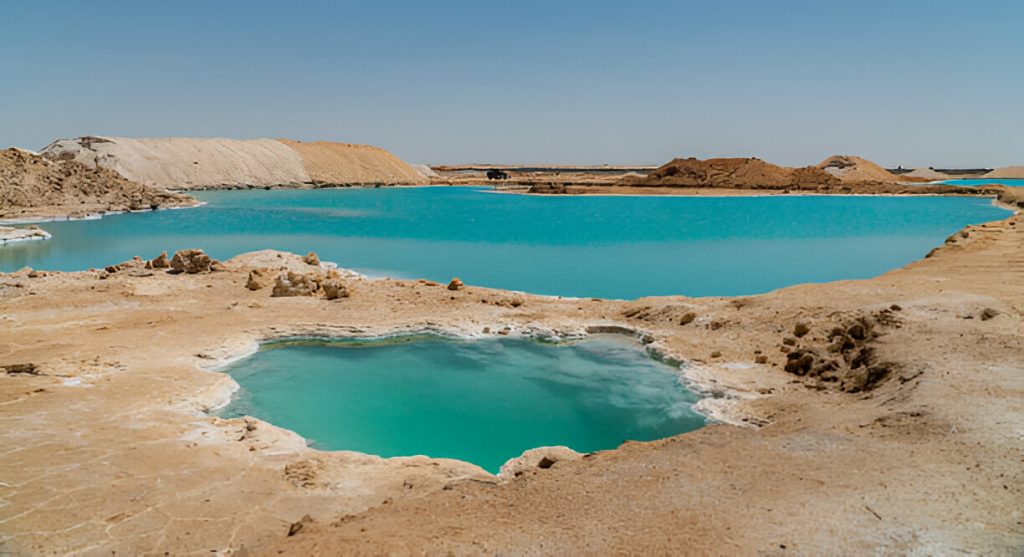
Extend the journey into Egypt’s Western Desert to explore Siwa’s salt lakes, Oracle Temple, Shali Fortress, Amazigh culture and Great Sand Sea. Siwa is reached by an approximately eight-to-nine-hour road journey from Cairo, so it is offered as a dedicated two- or three-night extension rather than compressed into the core seven-day route.

Discover Egypt’s Ancient Civilization
This itinerary reveals Egyptian civilization as a connected historical story rather than a collection of isolated monuments. Giza, Saqqara, Luxor, Aswan and Abu Simbel show how architecture, religion, royal authority and artistic traditions developed across thousands of years.
At Saqqara, you see the transition from mastaba tombs to pyramid architecture. Giza demonstrates the administrative organization and monumental ambition of the Old Kingdom, while Luxor reveals the political and religious world of New Kingdom Thebes.
Karnak and Luxor Temple illustrate the relationship between the pharaoh, the priesthood and the gods. The Valley of the Kings shows how royal burial moved from visible pyramids to hidden, decorated tombs, while Hatshepsut’s temple presents architecture as a statement of divine legitimacy.
In Aswan and Nubia, Philae and Abu Simbel reveal Egypt’s southern connections and the continuing power of temple religion. Hieroglyphic inscriptions, ritual scenes and royal imagery allow your Egyptologist to explain how ancient Egyptians understood creation, kingship, death and the afterlife.
The Giza–Saqqara pyramid fields, Ancient Thebes and the Nubian monuments are separate UNESCO World Heritage properties recognized for their exceptional cultural importance.
Why Visit Siwa Oasis?
Siwa offers a striking contrast to the pyramids and Nile Valley, combining salt lakes, palm groves, desert dunes, ancient ruins and living Amazigh traditions. It is best experienced as a separate two- or three-night extension from Cairo.
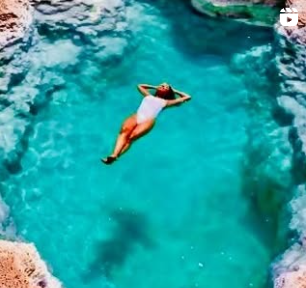
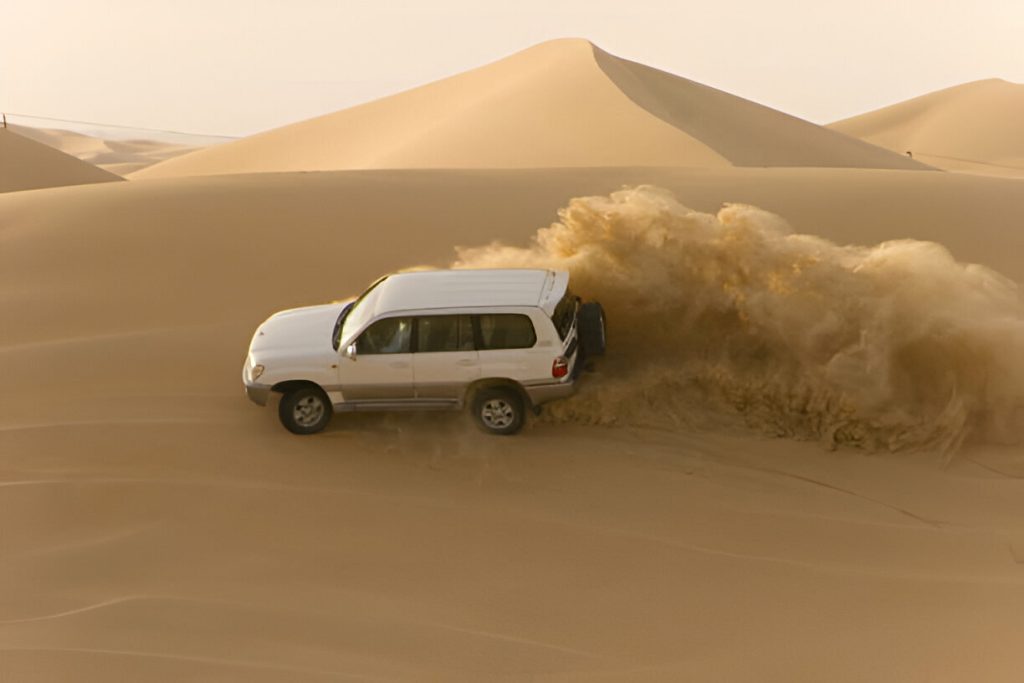
Visitors can float in intensely saline lakes, explore the ruins of the Oracle Temple, walk through Shali Fortress and visit the natural spring commonly known as Cleopatra’s Bath. Beyond the oasis, licensed desert excursions enter the Great Sand Sea for dune driving, sandboarding and sunset views.
Siwa’s cultural character is equally important. Its relative isolation helped preserve a distinct Amazigh language, architectural tradition, local cuisine, handicrafts and oral storytelling practices.
A comfortable extension typically includes:
- Private transportation from Cairo
- Two or three nights in a selected lodge or hotel
- Salt-lake visit
- Oracle Temple
- Fortaleza de Shali
- Cleopatra Spring
- Great Sand Sea safari with a licensed local driver
- Traditional meals
- Return transportation to Cairo
Who Is This Tour Perfect For?
This private Egypt tour is designed for travelers seeking a concentrated introduction to the country’s major historical destinations. Its private guiding and coordinated transportation make the itinerary adaptable to different ages, interests and travel styles.
Couples can enjoy a privately guided journey with premium accommodation and memorable shared experiences.
Families benefit from structured transportation and an Egyptologist who can adjust explanations for younger travelers. Child-friendly pacing and connecting rooms should be requested early.
Solo travelers gain the security and convenience of organized transfers, private guiding and local support.
History lovers experience key Old Kingdom and New Kingdom sites with professional interpretation.
Luxury travelers can upgrade hotels, room categories, dining experiences and domestic flight arrangements.
Photographers encounter desert panoramas, temple reliefs, Nile landscapes and monumental architecture, although local photography rules must always be followed.
Adventure seekers can add hot-air ballooning, a Siwa desert safari or additional Nubian experiences.
First-time visitors receive a clear overview of Cairo, Upper Egypt and Nubia without managing complex travel arrangements independently.
Best Time to Visit Egypt
October through April is the most comfortable period for a history-focused Egypt itinerary. Winter offers mild daytime sightseeing conditions, while spring and autumn provide a strong balance of weather, availability and daylight.
Winter: December to February
Winter is peak season for Cairo, Luxor and Aswan. Days are generally comfortable, but mornings, desert evenings and air-conditioned interiors can feel cool.
Christmas, New Year and school-holiday departures often sell out early. Advance booking is recommended for premium hotels and preferred domestic flights.
Spring: March to April
Spring brings warmer weather and long sightseeing days. March is especially attractive, while April can become hot in Upper Egypt and may occasionally bring dry, dusty winds.
Summer: May to September
Summer offers lower seasonal demand but requires careful heat management. Average daytime maximum temperatures in Luxor exceed 41°C during June and July, making early temple visits, hydration and shaded rest essential.
Autumn: October to November
Autumn is one of the best periods for a multi-city itinerary. Temperatures begin to moderate, and conditions are well suited to outdoor sightseeing in Giza, Luxor and Aswan.
Egypt’s tourism authority describes November through April as the mild winter period, while June, July and August are the hottest months, with southern temperatures frequently exceeding 40°C.
Travel Tips Before You Go
Successful Egypt travel depends on realistic scheduling, sun protection, suitable clothing and up-to-date entry information. Prepare for early starts, uneven archaeological surfaces and different rules at each monument.
Packing
Bring lightweight, breathable clothing, comfortable closed walking shoes, sunglasses, sunscreen and a wide-brimmed hat. Pack a light jacket for winter mornings and evenings.
A small day bag is useful for water, medication, tickets and camera equipment.
Currency
The local currency is the Egyptian pound. Cards are accepted at many hotels and established businesses, but cash remains useful for small purchases and gratuities.
Use banks, licensed exchange offices or secure ATMs. Exchange rates change frequently.
Visa
Visa eligibility depends on nationality. The official Egyptian e-Visa portal lists citizens of the United States, Canada, Australia, the United Kingdom and many European countries among those eligible to apply online.
The portal requires a passport valid for at least six months from arrival and may request accommodation and itinerary information. Check the official requirements again before departure because entry rules and fees can change.
Photography
Personal photography is permitted at many outdoor sites, but flash, tripods, drones and professional equipment may be restricted. Museum, tomb and temple rules can change, so follow posted instructions and your guide’s advice.
Do not bring a drone without written authorization from the relevant Egyptian authorities.
Dress Code
Modest clothing is appropriate in cities and religious buildings. Shoulders and knees should be covered when entering mosques, churches and synagogues.
Head coverings are not generally required for female tourists outside specific religious settings, but a light scarf is useful.
Safety
Follow the current travel advice issued by your own government, as regional warnings can change independently of conditions in Cairo, Luxor and Aswan. Use licensed transportation, remain aware of your surroundings and follow the directions of local authorities and your tour team.
As of August 2026, official advisories from the United Kingdom, United States, Canada and Australia distinguish established tourism routes from higher-risk border and desert areas. Desert travel should be arranged through licensed operators and checked against the latest regional advice.
Health
Consult a healthcare professional before travel, particularly when managing an existing condition. Stay hydrated, protect yourself from the sun, avoid untreated water and carry essential medication in its original packaging.
The CDC recommends reviewing vaccines and destination-specific health guidance at least one month before travel.
Internet
Most premium hotels provide Wi-Fi. Mobile data is widely available in major cities, although service may be less consistent on remote roads and around desert destinations.
Propinas
Gratuities are customary in Egyptian tourism but are not included unless stated. Carry small denominations and tip according to service quality.
Local Customs
Ask permission before photographing people. Avoid public criticism of religion or political institutions, dress respectfully and remain patient during security checks.
Alcohol is available in many international hotels and licensed venues but should be consumed discreetly.
Why Book with Luxury Tours Egypt?
Luxury Tours Egypt combines private guiding, local destination knowledge and personalized planning. The company offers private Egypt packages, professional guides, air-conditioned transportation and customized experiences across Cairo, Luxor, Aswan, the Nile Valley and Egypt’s oases.
Your tour is supported through:
- Private Egyptologist guides
- Comfortable, air-conditioned vehicles
- Personalized itinerary planning
- Premium accommodation options
- Coordinated domestic transportation
- Clear attraction and meal inclusions
- Local knowledge of opening times and travel routes
- Responsive customer service
- Competitive package options
- Assistance during the journey
- Optional upgrades and extensions
- Support with special occasions and accessibility requirements
Published guest feedback on the Luxury Tours Egypt website highlights attentive guides, organization and Siwa desert experiences.
Frequently Asked Questions
These answers cover the tour’s duration, transport, accommodation, entrance tickets and optional experiences. Final services are governed by the written booking confirmation supplied before payment.
Is seven days enough to explore Egypt? Seven days is enough to visit Cairo, Giza, Luxor, Aswan and Abu Simbel with domestic flights and a carefully managed private itinerary. It is a fast-paced introduction rather than a complete exploration of the country.
What is included in this Egypt tour package? The package includes six hotel nights, daily breakfast, specified lunches, private transfers, professional Egyptologist guiding, domestic flights and entrance fees for the listed attractions. Optional activities and international flights are excluded.
Can I customize the itinerary? Yes. The route can be adjusted around flight times, hotel preferences, mobility requirements and special interests. Additional nights are recommended when adding Alexandria, a Nile cruise, the Red Sea or Siwa Oasis.
Is Egypt safe for tourists? Egypt’s principal tourism routes continue to receive international visitors, but no destination is risk-free. Review your government’s current advisory, use licensed transportation and avoid areas subject to official warnings.
Can families join? Yes. The itinerary can be adapted for families, although children should be comfortable with early starts, flights, warm weather and archaeological-site walking. Child rates depend on age and room arrangements.
Are entrance fees included? General entrance fees for attractions listed in the itinerary are included. Special pyramid interiors, selected royal tombs and optional exhibitions require separate tickets unless specifically added.
How much walking is involved? Expect moderate walking over uneven stone, sand, ramps and stairs. Giza, Saqqara, Karnak and the Valley of the Kings each require extended periods on foot.
Is the tour suitable for travelers with limited mobility? Some sections can be adapted, but many ancient sites have uneven surfaces and limited accessible infrastructure. Provide detailed mobility information before booking so transport and site choices can be assessed accurately.
When should I book? Book three to six months ahead for travel between October and April. Christmas, New Year, Easter and premium hotel dates should be reserved earlier.
Is travel insurance required? Travel insurance is strongly recommended. Coverage should include medical treatment, trip interruption, baggage, domestic flight changes and every destination or activity in the itinerary.
How do I reserve the tour? Submit your dates, number of travelers, room preferences and international flight information through the booking form. A travel consultant will confirm availability, services, price and payment terms before the reservation is finalized.
Book Your 7-Day Pyramids Cairo Tour Today
This private journey brings Egypt’s defining experiences together in one expertly coordinated itinerary. Stand before the Great Pyramid, enter the royal landscape of Luxor, travel through the Nile Valley and reach the monumental temples of Abu Simbel with accommodation, transportation and professional guiding arranged in advance.
Peak-season flights and premium rooms have limited availability. Secure your preferred travel dates early, particularly when visiting between October and April.
Explore our complete selection of Paquetes de tour a Egipto y Multi-Day Egypt Tours.
Ready to begin? Contact Our Egypt Travel Experts, Plan Your Private Egypt Tour or Request Your Custom Itinerary.
7-Day Luxury Journey Through Egypt: Cairo, Luxor, Aswan & Siwa Oasis
VIP meet & assist at the airport, private transfer to your luxury hotel, leisure evening.
Visit the Giza Pyramids, Saqqara, Egyptian Museum, Citadel, and Mohamed Ali Mosque.
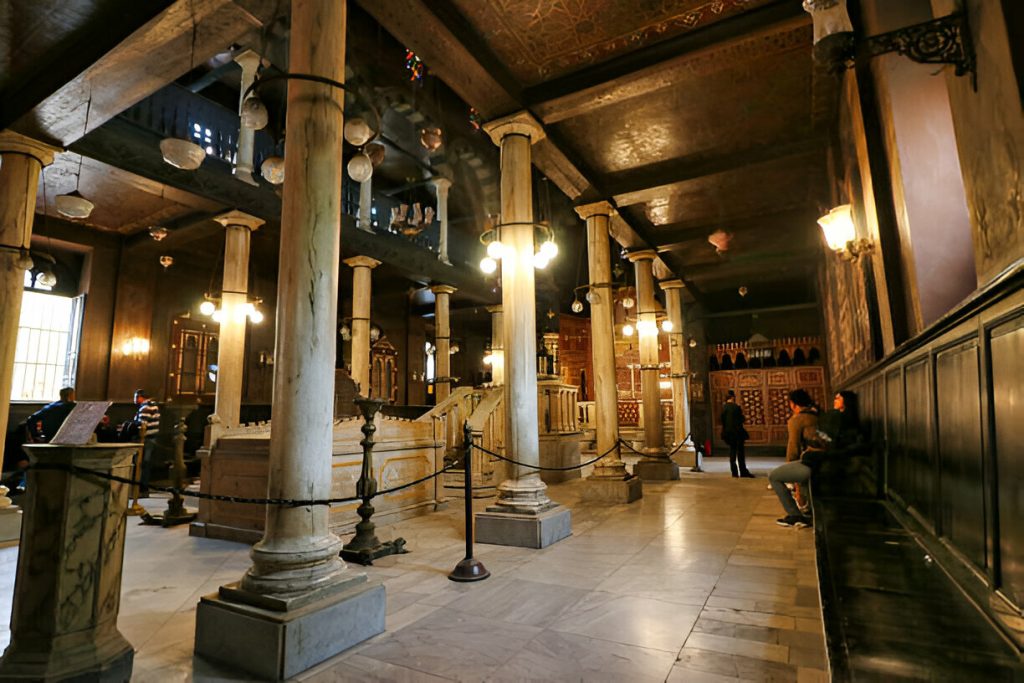
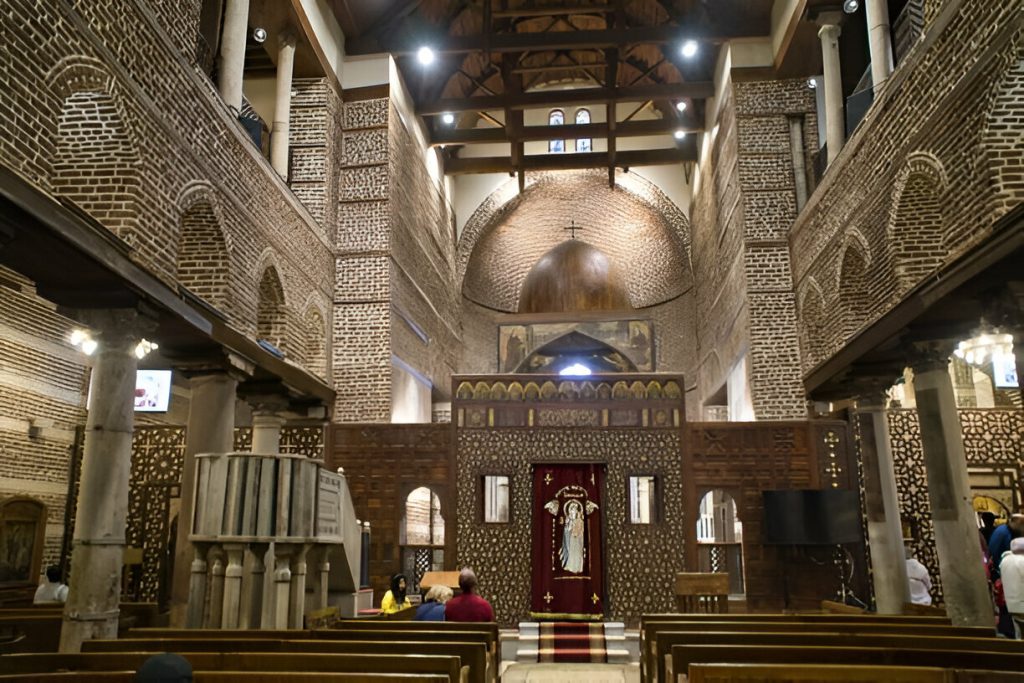
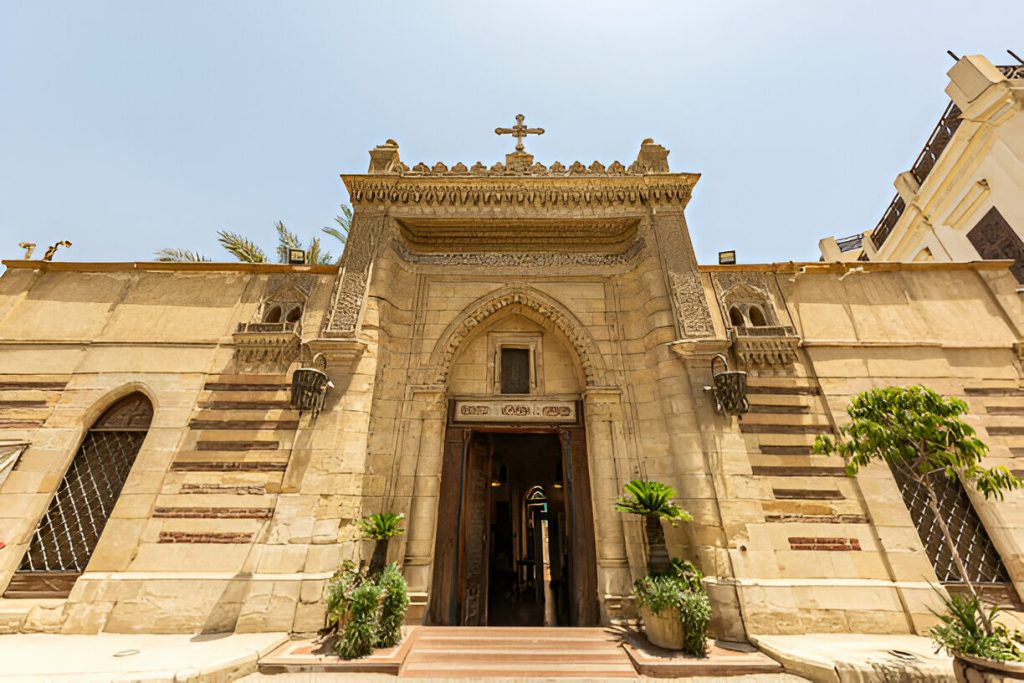
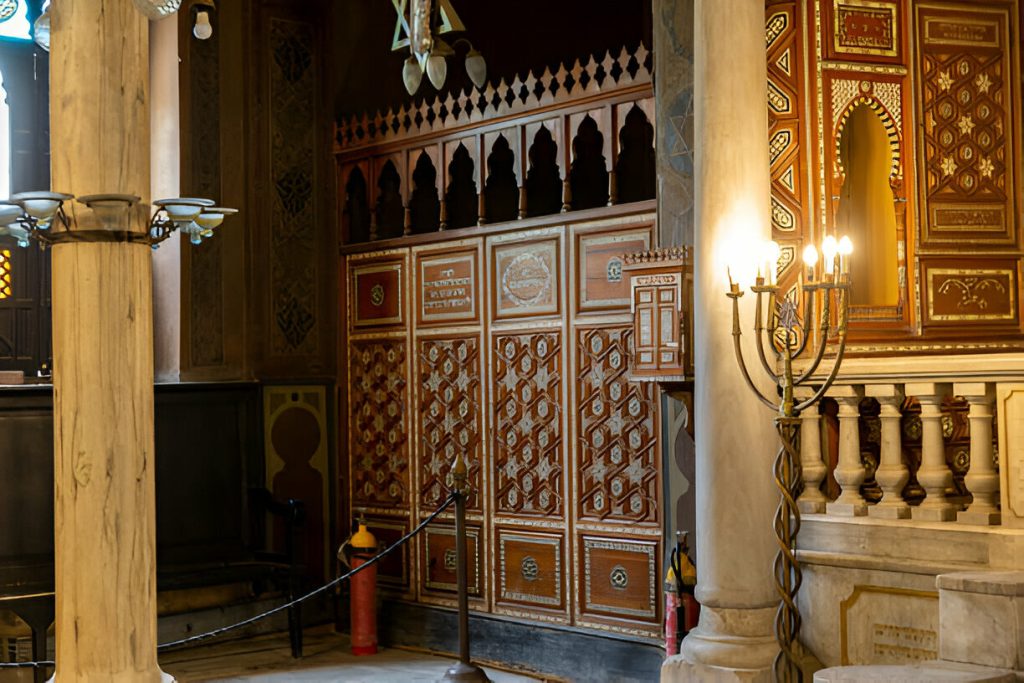
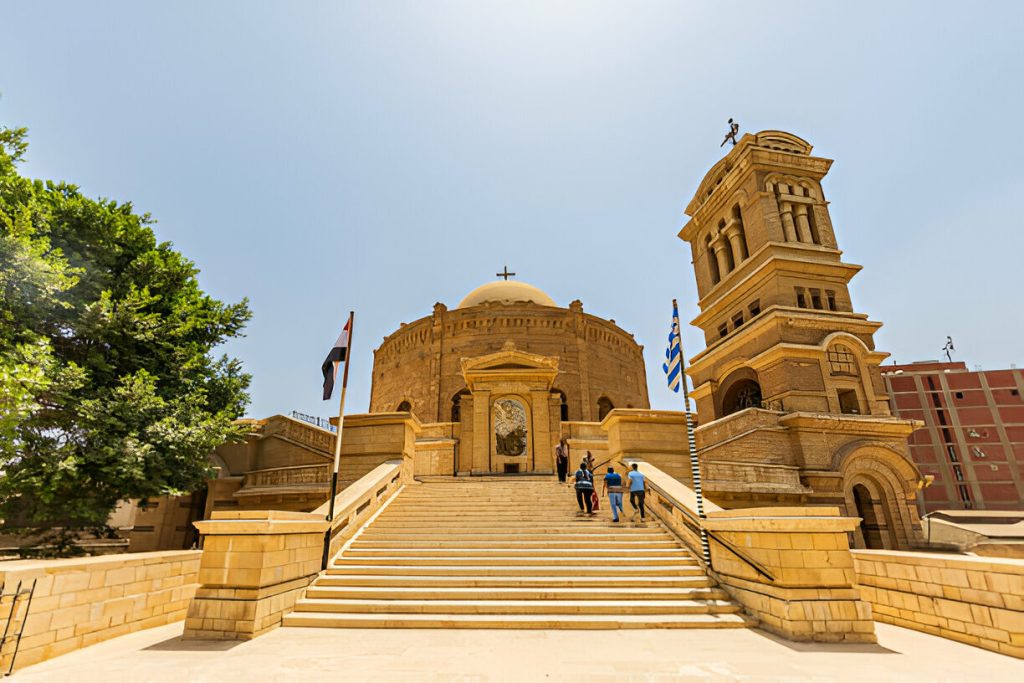
Explore Old Cairo’s historic churches and synagogues, then fly to Luxor.
Discover Karnak Temple, Luxor Temple, Valley of the Kings, and Hatshepsut Temple.
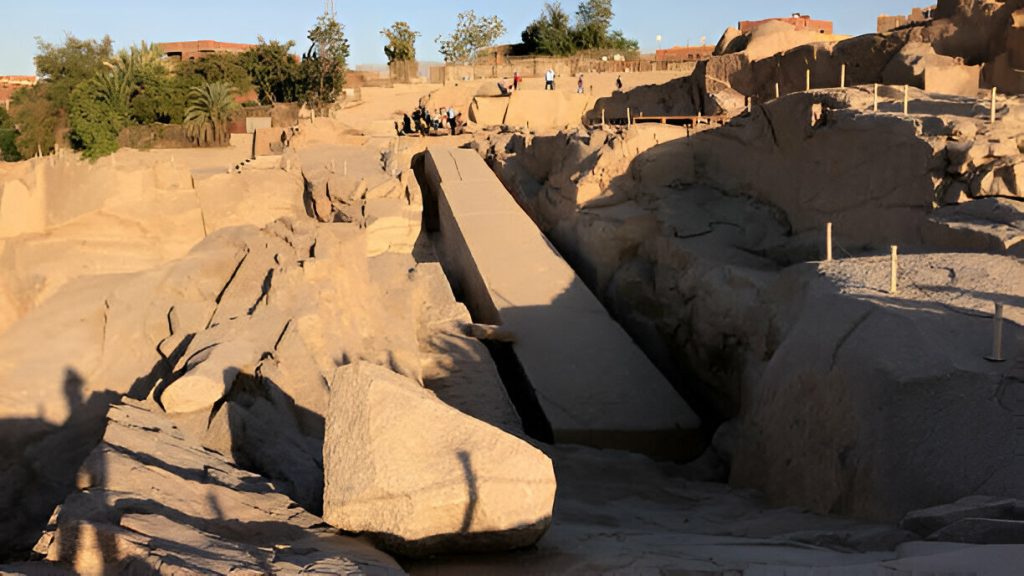
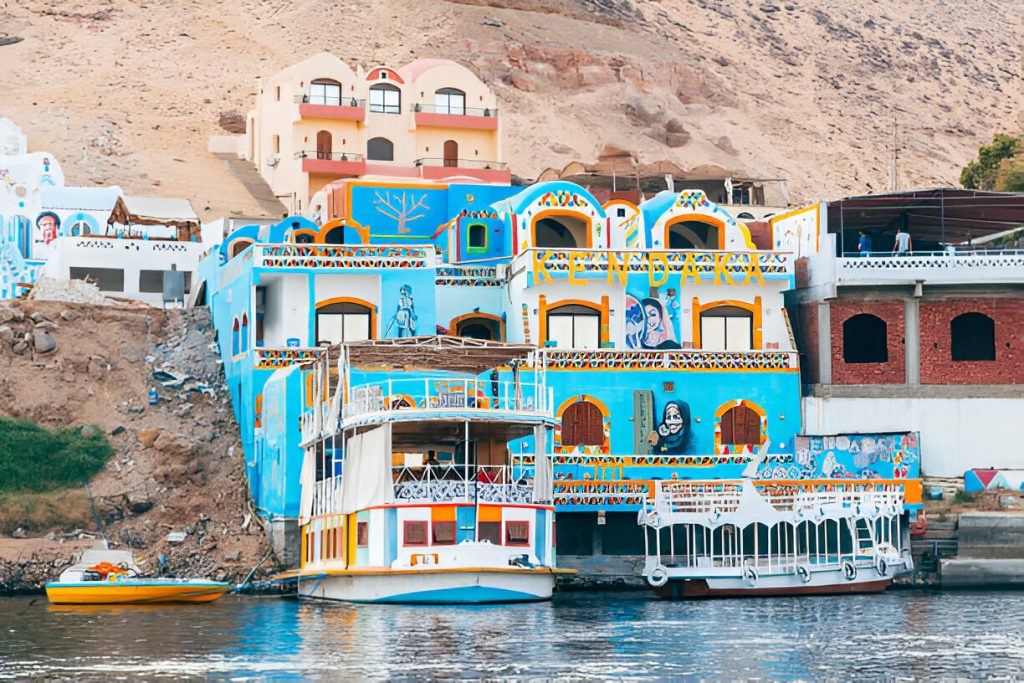
Travel to Aswan, visit the High Dam, Philae Temple, Unfinished Obelisk, and a Nubian Village.
Visit Abu Simbel, then continue your journey (via Cairo) toward Siwa Oasis.
Desert safari, salt lakes, relaxation, then transfer for departure.