


 BLOG
What Is Ancient Egyptian Magic? Understanding Heka
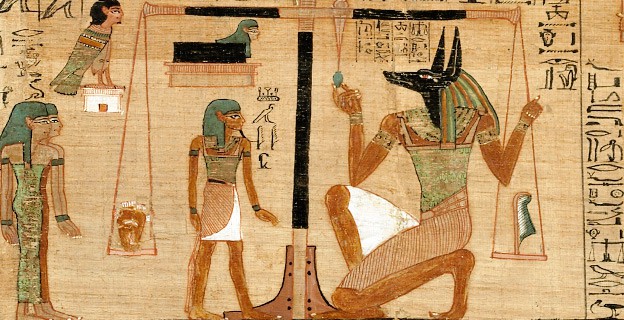
Ancient Egyptian magic was a religious way of understanding and influencing the world, not a separate system of entertainment or modern supernatural practice. In ancient Egyptian religion, heka is commonly translated as “magic” or “magical power,” but the term also refers to a divine and cosmic force connected with creation, ritual, protection, and the preservation of order.
What is Egyptian magic, in historical terms? It was a set of words, actions, images, objects, and religious ideas that people used to respond to danger, illness, uncertainty, and the needs of daily and afterlife life. Heka could appear in temple ritual, medical treatment, childcare, funerary practice, and protective objects. The British Museum describes it as central to both life and the afterlife and woven into medicine, justice, childcare, and religious practice.
This does not mean that every Egyptian image or religious act was “magic.” The modern word can flatten important distinctions. Some practices were formal temple rites, some were personal protective actions, and some were medical procedures recorded alongside spoken formulas. The evidence is best understood within ancient Egyptian religion rather than judged by modern categories of science, superstition, or occultism.
Heka was also not necessarily viewed as opposed to religion. It could be understood as a power used by gods, priests, healers, rulers, and ordinary people. Modern readers should therefore separate the historical record from later ideas about Egyptian “mysteries” or claims that ancient techniques can be reproduced with guaranteed effects today.
Ancient Egyptian Magic Symbols and Their Meanings
Ancient Egyptian magic symbols were meaningful because they operated within particular religious and protective contexts; their meanings should not be assigned from modern internet lists alone.
The Wedjat or Eye of Horus
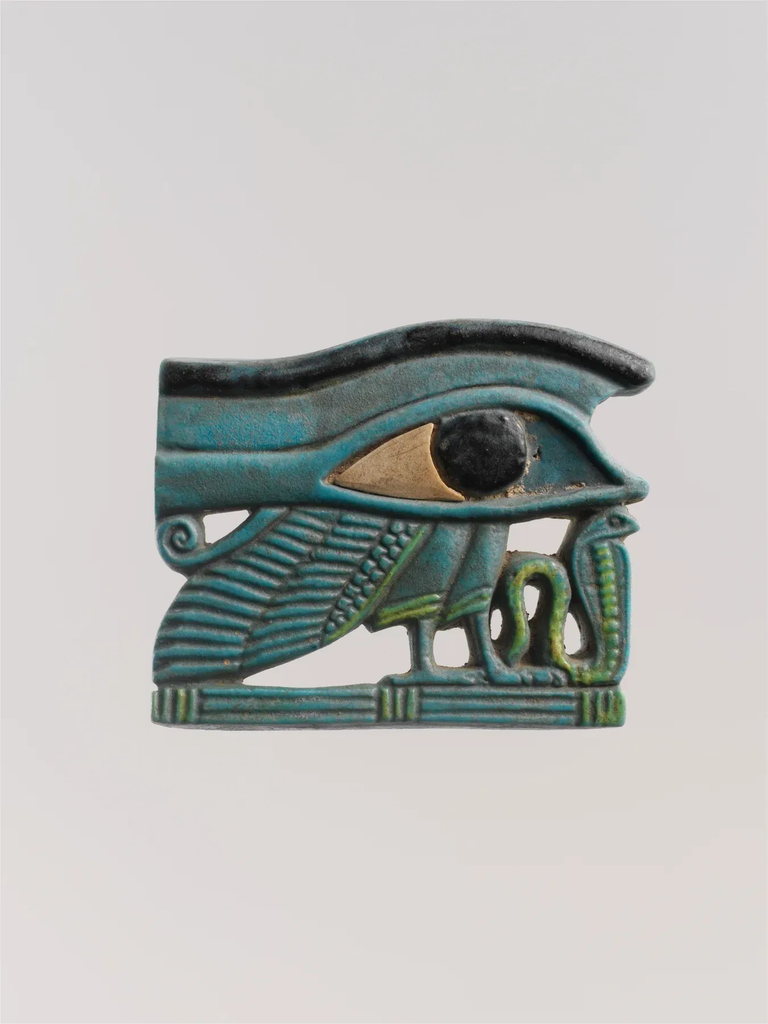
The Wedjat eye, often called the Eye of Horus, is one of the best-documented protective symbols. A British Museum amulet dated to 1069–747 BC is described as being associated with protection and healing magic. That evidence supports a careful statement: the symbol could function in protective and healing contexts. It does not prove that every modern Eye of Horus design carries an automatic power or a single fixed meaning in every period.
Protective amulets
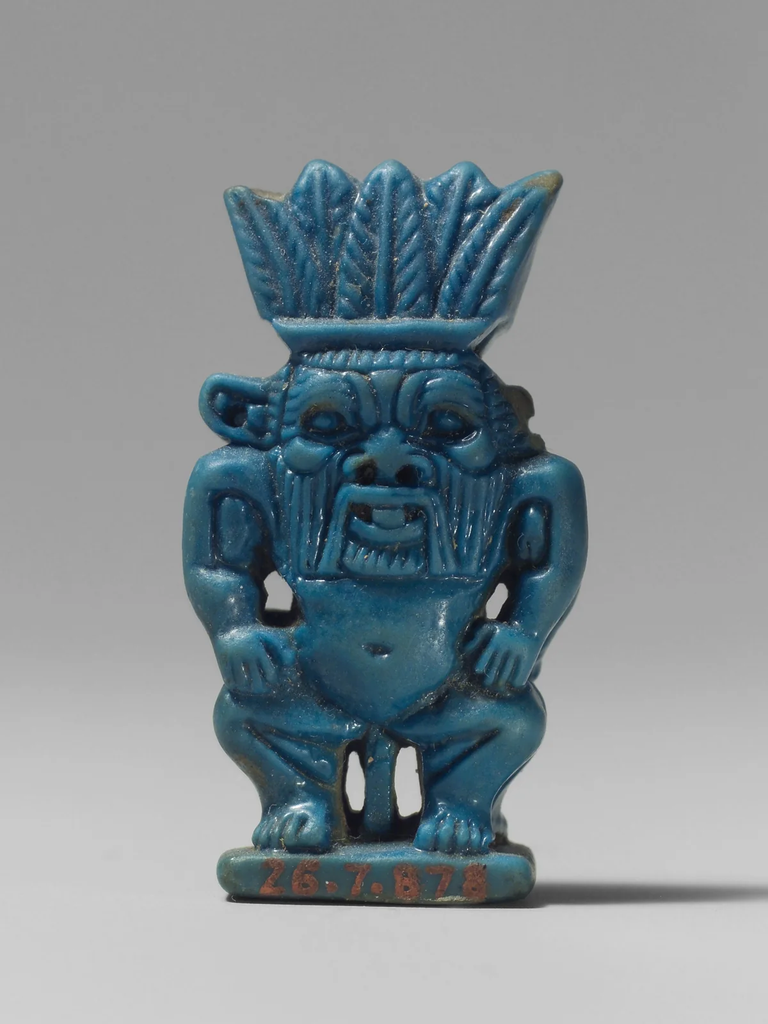
Amulets were objects that could be worn, carried, placed with the dead, or used in other religious contexts. Their function depended on the form, inscription, material, period, and setting. The Metropolitan Museum’s material on Egyptian medicine includes examples of a Wedjat eye amulet, a Bes-image pendant, magical containers, and a magic wand. These objects show that protection was expressed through material culture, but one object should not be used to generalize about all Egyptian symbols.
Bes and protective images
The god Bes appears in objects associated with domestic and protective concerns. The Metropolitan Museum lists Bes-related containers, pendants, and a stela among objects connected with its medicine publication. It is safer to describe Bes imagery through its documented object and cultural context than to claim that every image of Bes had the same purpose.
Symbols commonly misrepresented online
Ankh signs, scarabs, lotus imagery, crowns, and hieroglyphic signs can have religious, royal, funerary, decorative, or textual roles. They should not automatically be labeled “magic symbols.” A reliable interpretation asks what the sign means in the inscription or object, who used it, when it was made, and where it was found. Historical context matters more than a universal modern meaning.
Ancient Egyptian Medicine and Magic
Ancient Egyptian medicine and magic overlapped because illness could be approached through practical treatment, religious language, protective action, or more than one of these at once. Surviving medical papyri record symptoms, diagnoses, prescriptions, procedures, and formulas that help researchers reconstruct how ancient Egyptians responded to disease and injury.
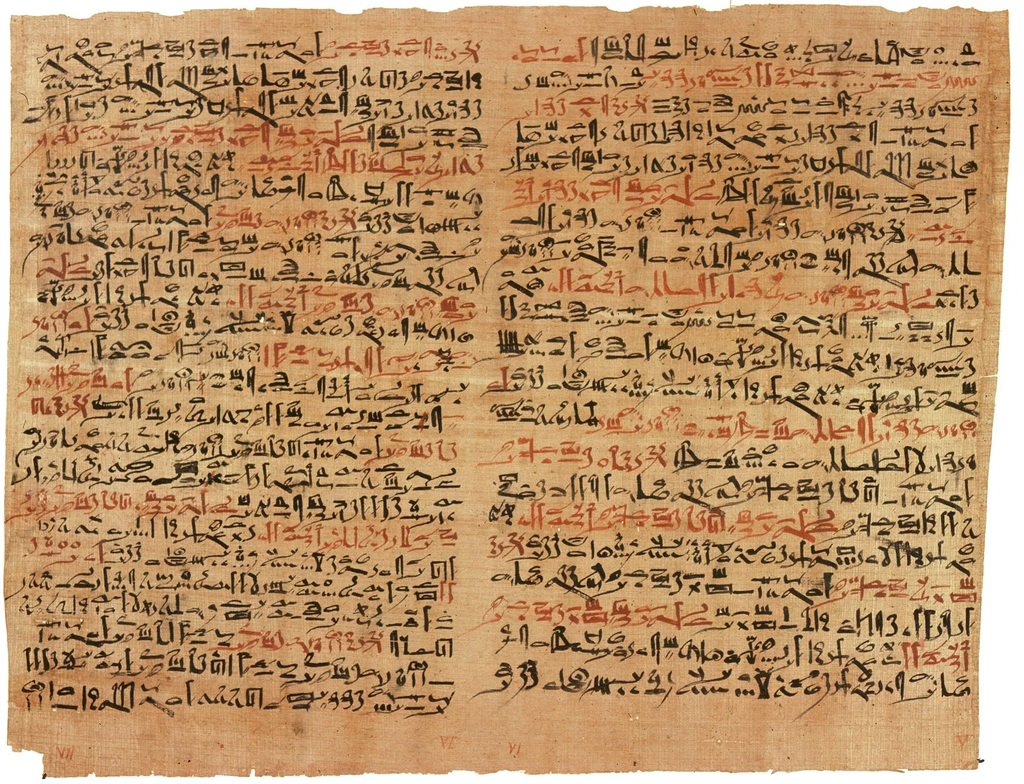
The Edwin Smith Papyrus is a useful example of this mixed evidence. The Metropolitan Museum describes it as a practical guide to treating head and torso wounds, with case descriptions and attention to diagnosis. The same publication notes that the reverse contains eight magical spells and five prescriptions, including a recipe for an anti-wrinkle ointment.
This evidence does not support a simple opposition between “science” and “magic.” Ancient Egyptian practitioners worked within a religious worldview in which spoken words, substances, diagnosis, ritual action, and divine protection could belong to the same response to illness. At the same time, a historical description is not current medical advice. Ancient remedies should not be copied, applied to the body, or used instead of qualified medical care.
What does “ancient Egyptian magic cream” mean?
The phrase ancient Egyptian magic cream is ambiguous. It can refer online to a modern cosmetic product marketed with an Egyptian association, or to ancient ointments and cosmetic preparations mentioned in historical or medical discussions. A modern product name is not evidence that a commercial cream reproduces an ancient formula, and the existence of an ancient ointment does not prove modern medical or cosmetic benefits.
The responsible conclusion is limited: ancient Egyptian sources document ointments and other preparations, including the anti-wrinkle ointment mentioned in the Met’s discussion of the Smith Papyrus, but they do not justify recommending a modern product as ancient medicine.
Rituals, Spells and Who Practiced Magic in Ancient Egypt
Ancient Egyptian rituals used actions, spoken words, written texts, images, offerings, and objects to address relationships between humans, gods, the dead, and the forces that maintained order. Surviving spells may be found in religious, funerary, medical, and protective contexts. Their wording and purpose varied with the situation.
Priests performed temple rites, while other specialists could be involved in healing, writing, funerary preparation, or household protection. The surviving evidence does not support a single job description for every person associated with magic. Nor does it prove that all ritual specialists had the same status or knowledge in every period.
Written spells mattered because language itself was treated as effective within the religious worldview. Images and names could also carry force in a ritual setting. This is why inscriptions, amulets, papyri, and ritual objects must be studied together rather than treated as isolated “mystical” artifacts.
Was there an Egyptian magic founder? No single founder is identified by the evidence. Heka developed within ancient Egyptian religion over long periods, and the concept was connected with creation, divine power, ritual, healing, and protection. Naming one historical person as the founder would impose a biography on a tradition that grew and changed across centuries.
Books and Sources on Ancient Egyptian Magic
Researchers study ancient Egyptian magic through primary evidence such as medical papyri, funerary texts, temple inscriptions, amulets, ritual objects, archaeological context, and translations. Modern books can organize that evidence, but they are interpretations rather than replacements for the ancient sources.
A verified modern title is Ancient Egyptian Magic by Bob Brier. The Internet Archive catalog identifies an edition published by Quill in 1981 and notes that the work was originally published in New York by Morrow in 1980. Readers should check the edition they are using because publication details can differ between editions. The title is a modern Egyptology book about the subject; it is not an ancient Egyptian magic book from antiquity.
The title Heka: The Practices of Ancient Egyptian Ritual and Magic was not included here because its authorship and publication details were not verified from a reliable catalog during this research. Omitting an uncertain title is more accurate than presenting a likely but unconfirmed reference.
For serious study, compare a modern overview with museum catalogs, translations of papyri, object records, and academic discussions. Pay attention to date, provenance, translation choices, and the difference between an artifact’s documented use and a later interpretation.
Ancient Egyptian Beliefs in Modern Culture
Ancient Egyptian magic appears in novels, films, games, advertising, museum exhibitions, and modern spiritual writing. These forms can encourage interest in Egypt, but they often combine ancient symbols with later occult ideas, fictional spells, or generalized claims about “Egyptian secrets.” That modern cultural layer should be labeled as interpretation or fiction rather than presented as evidence for ancient practice.
The historical record is more specific and less uniform. It includes medical papyri, amulets, ritual texts, temple traditions, and objects from different periods and places. Modern culture may borrow the Eye of Horus, scarabs, or the word Heka, but borrowing a symbol does not preserve its original context automatically. Readers should ask whether a claim comes from an ancient text, a museum record, a modern author, or popular culture.
Exploring Ancient Egyptian History in Egypt
Cairo is a practical gateway for visitors who want to connect ancient Egyptian history with museums, monuments, religious traditions, and archaeological landscapes. A cultural journey can begin with collections and historic places in and around the capital, then expand according to the traveler’s interests and available time. The Explore Cairo page provides destination context for planning.
Travelers interested in heka should approach sites through verified object information and current visitor guidance rather than expecting a museum or monument to present one complete story of “magic.” Ancient Egyptian religion changed over time, and collections may bring together objects from different periods. Check official site or museum information before relying on current displays, access, or interpretation.
For a wider cultural itinerary beyond Cairo, review the available Egypt travel packages. The appropriate route depends on the sites you want to study and the amount of time available. If you need help understanding the current options, contact our Egypt travel experts with your interests and dates. This invitation is for planning assistance, not a claim that every package includes a specific heka-related artifact or collection.
Frequently Asked Questions About Ancient Egyptian Magic
What is ancient Egyptian magic?Ancient Egyptian magic was a religious system of words, actions, images, objects, and beliefs used in situations such as protection, healing, temple ritual, funerary practice, and daily life. It was not necessarily separate from religion. Heka, often translated as magic or magical power, described a force connected with divine order and ritual practice.
What did Heka mean?Heka referred to magic or magical power in ancient Egyptian religious thought, but the translation is not complete by itself. The concept could refer to a primordial force, divine power, ritual effectiveness, and the means by which people addressed threats or maintained order. Its meaning should be interpreted within the period and source being studied.
Who was the founder of Egyptian magic?The evidence does not identify one founder of Egyptian magic. Heka developed within ancient Egyptian religion over a long period and was associated with creation, gods, ritual, medicine, protection, and the afterlife. A named founder would be an invention unless supported by a specific ancient source, so historical explanations focus on development rather than a single originator.
What are well-known Egyptian magic symbols?The Wedjat, or Eye of Horus, is among the best-documented protective symbols and is associated by the British Museum with protection and healing magic. Amulets and Bes-related objects also appear in museum collections connected with protection and medicine. Other signs, including the ankh and scarab, require context and should not automatically be labeled magical in every use.
How were medicine and magic connected?Medical papyri show that practical diagnosis, prescriptions, procedures, and spoken or written formulas could appear together. The Edwin Smith Papyrus, for example, contains wound cases and diagnostic material, while its reverse includes magical spells and prescriptions. This reflects an ancient worldview in which physical treatment and religious protection could overlap. It is historical evidence, not current medical advice.
Did ancient Egyptians use magical rituals for protection?Yes, surviving amulets, spells, and religious objects support the use of protective practices in ancient Egypt. Their purposes varied by object, period, setting, and person. Some protection related to illness or danger in daily life, while other practices concerned childbirth, the dead, or divine relationships. Modern claims should not generalize from one artifact to all Egyptians.
What books explain ancient Egyptian magic?One verified modern title is Ancient Egyptian Magic by Bob Brier. The Internet Archive catalog records a Quill edition published in 1981 and an original Morrow publication in 1980. Readers should also compare modern books with museum catalogs, translations of papyri, and artifact records. A modern book is an interpretation of evidence, not an ancient text.
Was Heka part of ancient Egyptian religion?Yes. Heka is presented in reference and museum sources as part of ancient Egyptian religious thought. It was connected with divine power, creation, ritual, protection, medicine, and the preservation of order. It is therefore more accurate to study Heka within ancient Egyptian religion than to treat it as a detached occult system.


