


 Non classé
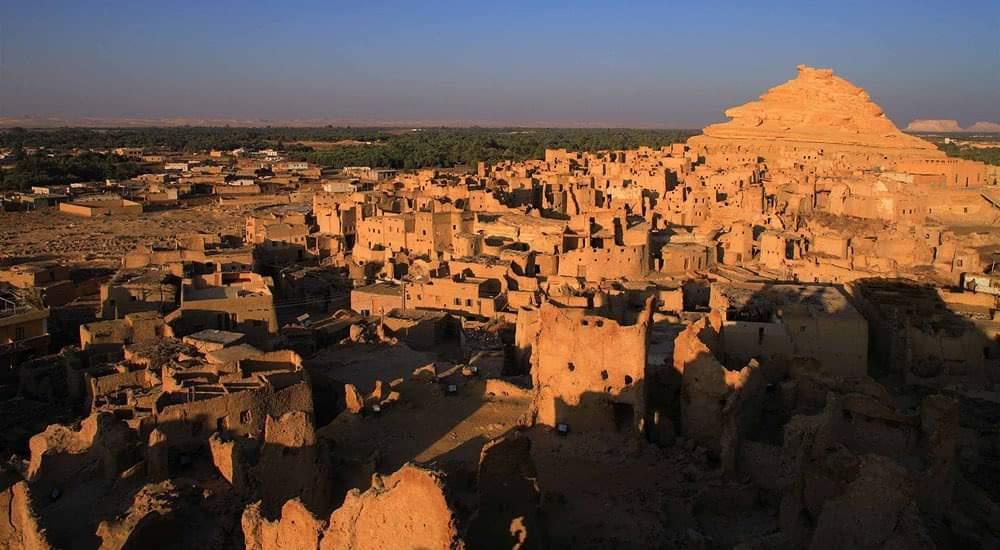
Siwa Oasis is known for its palm groves, salt lakes, and old mud-brick buildings. Siwa Oasis is a stark contrast to Egypt’s Nile-side cities. The desert settlement, situated in western Egypt close to the Libyan frontier, is distinguished by its natural scenery and by its relation to one of the most famous religious sanctuaries of antiquity. Here you can combine a visit to an ancient temple with a leisurely afternoon by a spring or a sunset over an oasis lake.
The charm of Siwa Oasis goes beyond its sights. Its Amazigh heritage, traditional buildings, and location away from Egypt’s usual tourist routes give it a unique character. This guide covers the best places to visit, how to get there, and what to ask before booking, helping you plan your trip with ease.
Why Visit the Siwa Oasis?
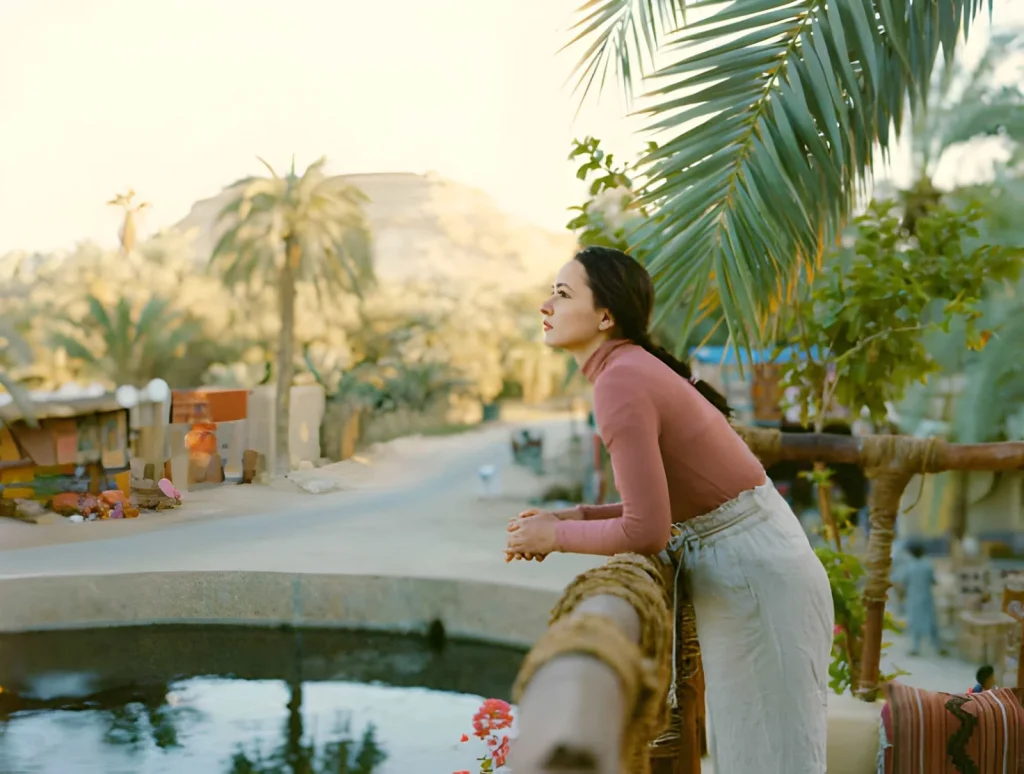
Siwa rewards those who enjoy combining landscape, history and local culture, rather than focusing on monumental sights alone. The oasis is located about 560 kilometres west-southwest of Cairo, and importantly, that geographical distance is not the distance you will necessarily travel by road, says Britannica. The route is normally a longer one around the northern Mediterranean coastal region.
A visit is three experiences:
Ancient history: the Aghurmi sanctuary links the oasis with Alexander the Great and the ancient Mediterranean world.
Oasis landscapes: salt lakes, palm groves and fresh water springs offer a different view of Egypt’s desert environment.
Living heritage: Siwan Amazigh culture is distinguished by a local language, crafts and architectural traditions that set the community apart from other Egyptian destinations.
Britannica’s overview of the oasis provides a helpful introduction to its geography and ancient importance before you visit.
Best Things to Do in siwa oasis
The best things to do in Siwa Oasis Egypt combine archaeology, time by the water and a guided desert excursion where allowed. Don’t try and squeeze it all into one manic day of sightseeing – the sights are best enjoyed when you allow yourself time to take things a little slower.
Visit shali fortress and old town
The modern town lies below the remains of the fortified settlement. A good starting point for a feel of the oasis. Its traditional building material is kershef, made from salt-laden earth and clay. The remaining walls and passages attest to the way in which local architecture adapted to its environment.
Look for ways in that are accessible and not up brittle walls. Ask locally what are the good areas to enter. A guide can also help you tell the difference between old structures and reconstructed ones, and explain how the settlement fits into the surrounding town.
See the oracle of siwa at Aghurmi.
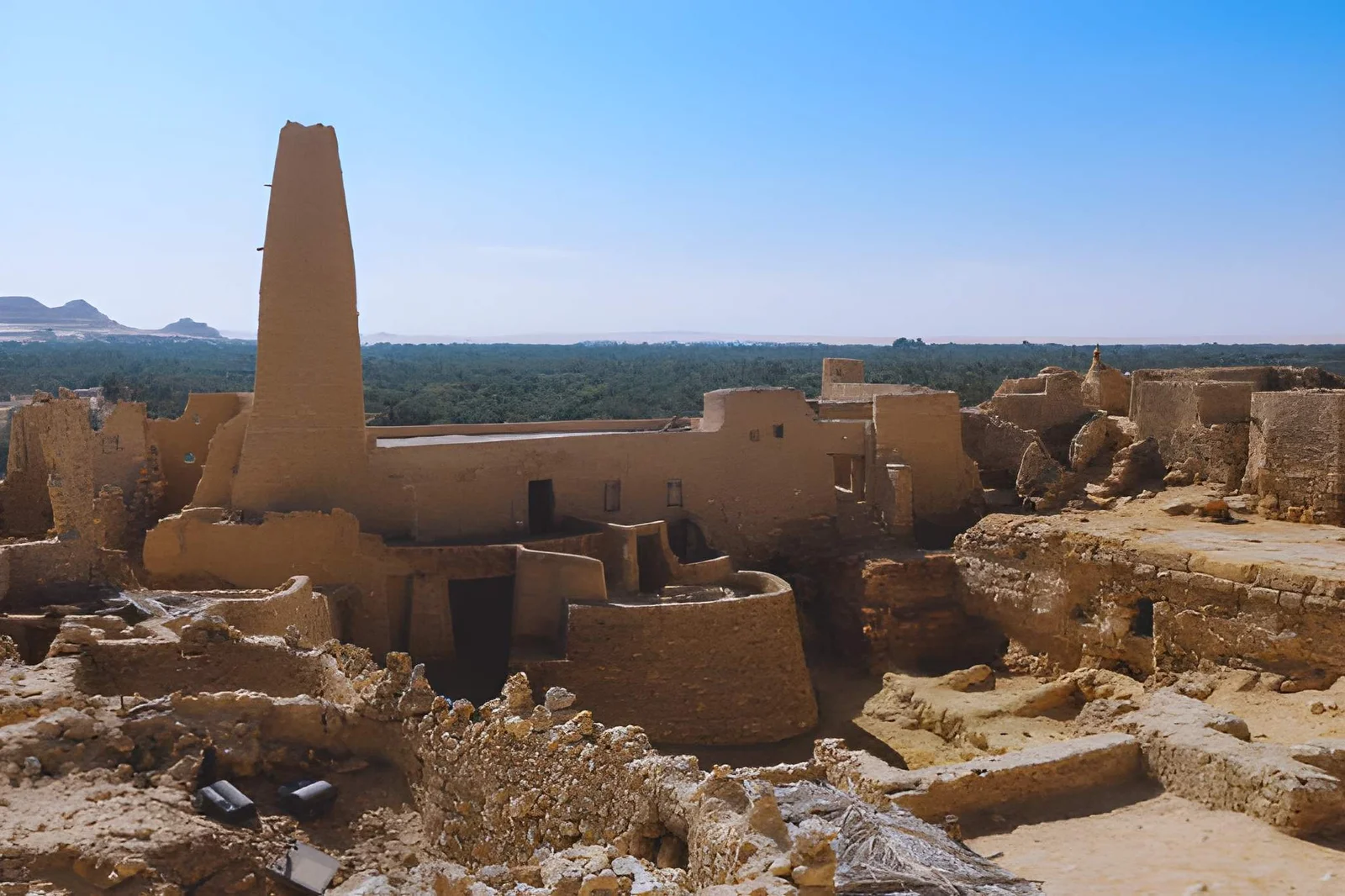
The ancient sanctuary at Aghurmi, known as the Oracle of Amun, is the most important historical link between Siwa Oasis and the wider Mediterranean world. Alexander the Great came here seeking an oracular answer. You can see some partial remains of the temple in the old settlement.
The Temple de l'Oracle was dedicated to the Egyptian god Amun, whom the Greeks associated with Zeus. This religious connection helps explain the temple’s importance, even though only a few ruins remain today.
A guide can help you tell the difference between history and popular stories. Alexander did visit the site, but the details of his conversation with the priests are not confirmed.
mountain of the dead
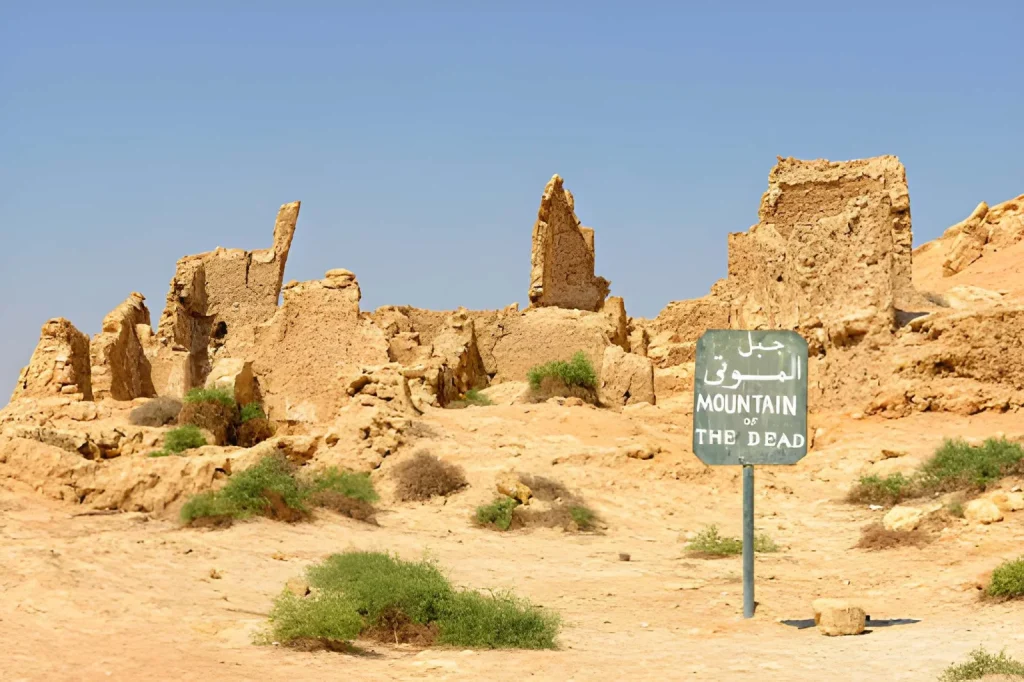
The burial hill, locally known as Gebel al-Mawta, contains rock-cut tombs of the ancient inhabitants of the oasis. The funerary remains present a different picture from the oracle sanctuary. Unlike the Oracle Sanctuary, which is associated with Alexander the Great, the tombs at Gebel al-Mawta offer insight into ancient burial practices and religious imagery.
Before paying the entrance fee, ask which tombs are open, as you may not be able to visit them all. Don’t rely on photos alone, as some tombs shown may be closed on the day of your visit.
cleopatra spring stop
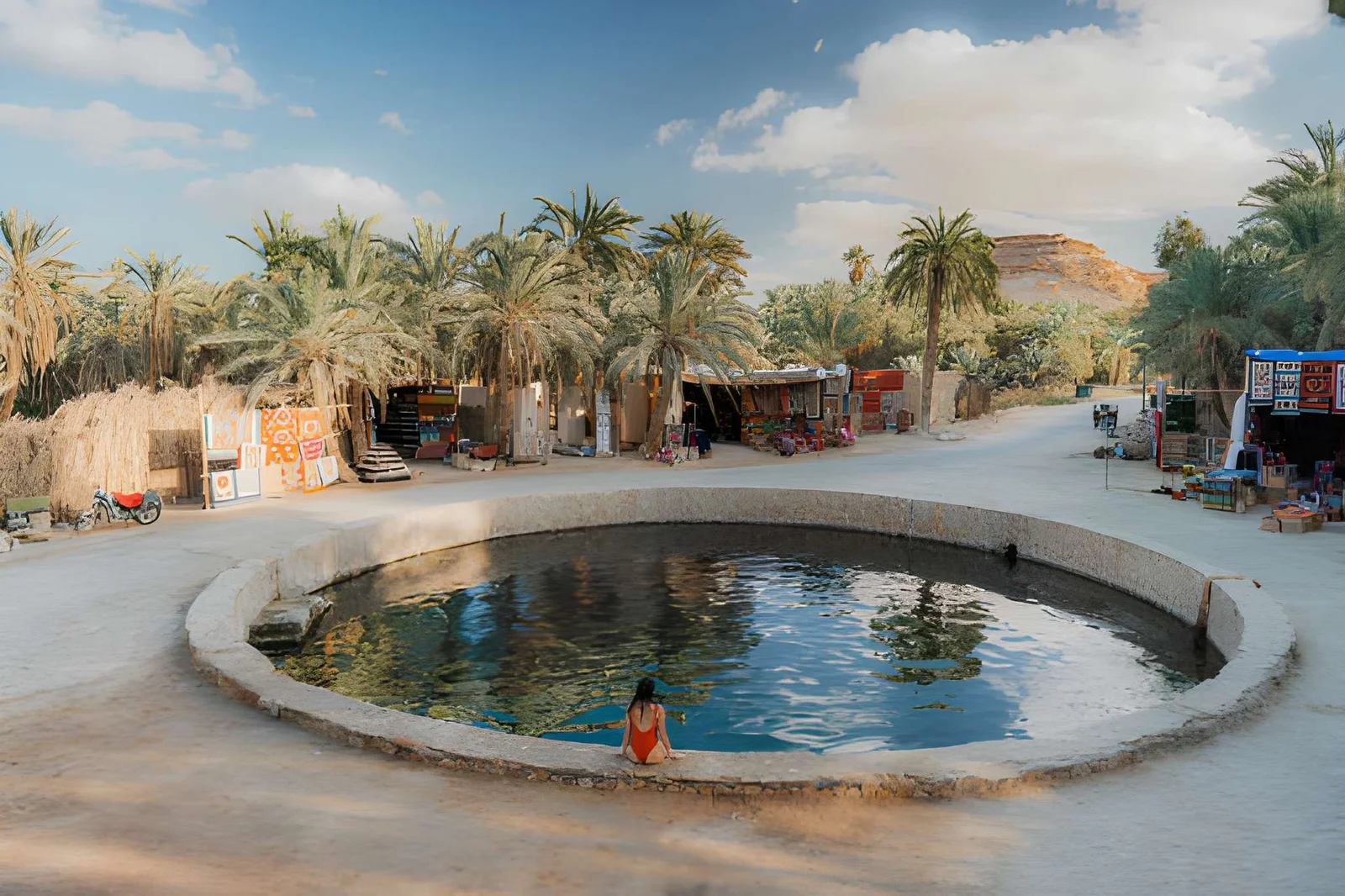
One of the oasis’s most famous meeting places, this circular, stone-lined freshwater pool is surrounded by nearby cafés and palms. There is no evidence to suggest that Cleopatra herself ever bathed here, despite its famous name. Treat the royal association as a popular story, not as an established historical fact.
It’s a nice break between sightseeing stops. If you plan to swim, check the conditions when you arrive and ask about local norms for attire and pool use.
Watch the Sunset at Fatnas Island.
Lakeside spot famous for palms, laid-back seating & sunset views It’s the more subdued opposite to the archaeological sites and works best as the final destination of a day rather than a hurried stop between other attractions.
Allow time to adjust before sunset. It’s the light on the water changing, not a long list of things to do.
Discover the Salt Lakes and Desert Landscapes
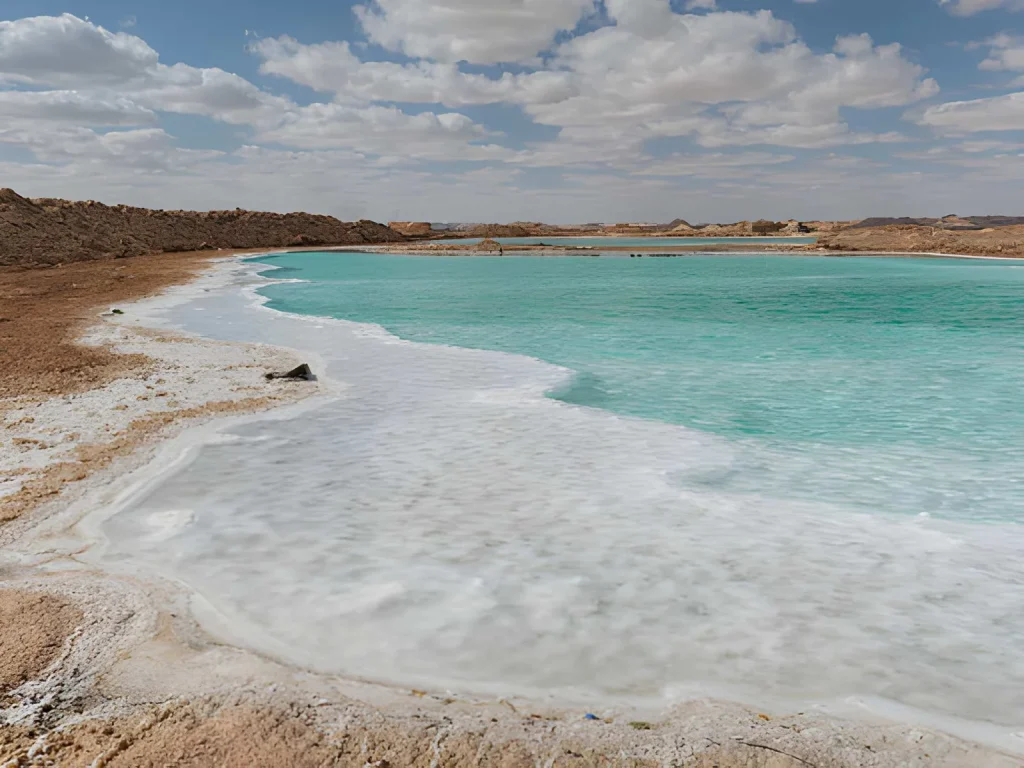
The salt lakes are among the most beautiful places in Siwa Oasis, with turquoise waters and white salt edges. Their high salt content allows you to float on the surface, or you can simply relax, enjoy the scenery, and take photos.
If you wish to stop for a swim, check in with your guide for access and conditions. Before you embark on a desert trip, make sure that you know precisely where you are going, have secured all the necessary permits, have arranged for transportation and have set a return time.
Getting to Siwa Oasis from Cairo
If you are trying to figure out how to get to Siwa Oasis from Cairo, you should expect an epic overland journey. The usual description of the route is that it goes towards Alexandria and Marsa Matruh and then turns inland. Travel guides usually estimate between eight and eleven hours depending on the service, stops, traffic and checkpoints; use that as a planning range rather than a guarantyd arrival time.
| Travel arrangement | Best for | Things to check |
| Private transfer | For travellers who value flexibility | Vehicle, driver arrangements, stops luggage space and Total price |
| Organised package | for Visitors looking for transport and sightseeing arranged | Accommodation, entrance fees, guiding & desert activities |
| Overland travel arranged independently | Travellers who don’t mind connections | Current departures, arrival place, onward transport and cancellation conditions |
A private tour to Siwa Oasis from Cairo can help you organize transportation, but make sure you check what’s included and whether the vehicle, guide, and desert activities are exclusively for you.
A same-day trip to Siwa and back may not leave enough time to enjoy the main attractions. It’s better to allow separate time for the journey, exploring the oasis, and returning to Cairo.
4-Day Practical Siwa Oasis Itinerary
This suggested itinerary is to allow for breathing room rather than maximum sightseeing. Make it fit your arrival time, interests and what’s currently allowed.
| Day | Proposed plan | Priority of planning |
| Day 1 | Fly to Cairo, Check in, Short walk of the town (time permitting) | Do not promise a full sightseeing programme after the drive. |
| Day 2 | The ancient settlement, oracle sanctuary and burial mound | Combine historical visits |
| Day 3 | Arrange a visit to a spring or lake followed by a guided desert activity if appropriate | Pre-confirm excursion/ access info |
| Day 4. | Return to Cairo with scheduled breaks | Leave plenty of time before you continue your journey |
How to choose a tour to Siwa Oasis
Before traveling to Siwa Oasis, check your government’s official travel advice and make sure your planned routes and desert activities are currently accessible. Ask your tour operator about any required permits and restrictions on access to the surrounding areas.
Transport: pickup location, type of vehicle, air conditioning, and estimated journey length.
Accommodation: the property named, room type, bathroom facilities and meals included.
Guidance: language of guide, availability and which visits have explanations.
Admissions: entrance fees included in the price and any visits payable separately.
Desert activities: itinerary, permits, vehicle arrangements, cancellation policy.
Flexibility: what if operating conditions or access restrictions are changed.
Don’t compare headline prices, compare value. Or if the cheaper package doesn’t offer the transfers, admissions or activities you had in mind, it might not be the most economical choice after all.
Access, Responsible Visitation & Travel Advice
Isolate the town from the rest of the Western Desert before you commit to siwa oasis. The advice issued by the UK Foreign, Commonwealth & Development Office specifically excludes the oasis town and the Marsa Matruh–Siwa road from its general warning against all but essential travel to much of the Western Desert. This exemption should not be used to give unlimited access to surrounding desert routes.
Before your trip, check your government’s latest travel advice for Egypt and confirm that your travel insurance covers your planned route and activities. For out of town excursions check with the operator that the proposed route is currently open and what permissions are needed.
Good planning also means not using the community as a backdrop for photos but respecting it. If you want to photograph residents, ask first. Make sure you have agreed on prices before accepting any services. Follow any site rules about fragile buildings and tombs.
Pack what you need for a long day of travel and check the practicalities with your accommodation: payment options, connectivity, meal availability, and local transport. The details matter more than an itinerary packed with loosely timed stops.
FAQ (Frequently Asked Questions)
How long should you stay in the Siwa Oasis? This suggested itinerary is a useful starting point for four days including travel from Cairo. It has two transfer days and two days for local experiences. Add time if you like a slower pace.
Is Siwa Oasis suitable for families with children? Siwa Oasis can be a good destination for families interested in nature, local culture, and outdoor activities. However, consider the long drive from Cairo, the time needed to travel between attractions, and whether desert excursions are suitable for your children’s ages.
What local foods should you try in Siwa Oasis? Siwa offers visitors a chance to experience local Egyptian and Siwan cuisine, including dishes prepared with dates, olives, and other locally grown ingredients. Trying traditional food is a great way to discover another side of the oasis’s culture and everyday life.
Is it possible to visit without taking a full package? The components can be arranged separately but please confirm transport, accommodation and local arrangements before leaving Cairo. Booking independently does not mean that desert access and guiding will be available with no advance coordination.
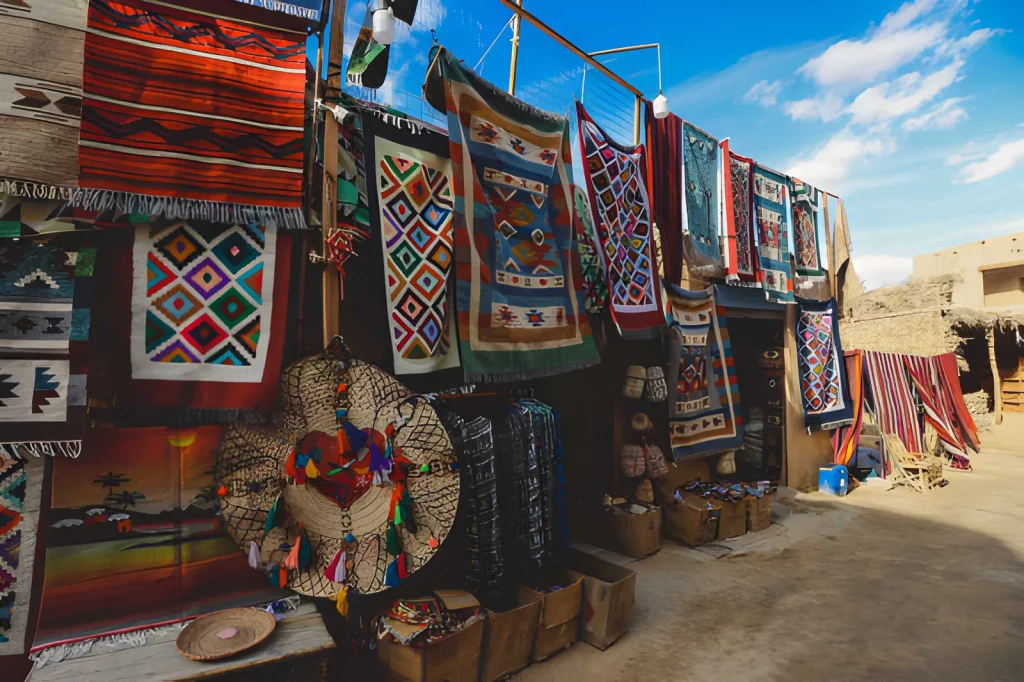
Can you buy local handicrafts in Siwa Oasis? Yes, Siwa is known for its traditional handicrafts, including embroidered textiles, woven products, and items made from local materials. Visiting local shops gives travelers an opportunity to discover traditional Siwan craftsmanship and support local artisans.
Conclusion Summary
An enjoyable trip to Siwa is about more than visiting its ancient sites—it’s also about taking in the natural surroundings and getting to know the local people and their way of life. Start with the Temple of the Oracle and the old town, then take your time enjoying the springs and lakes. If you’re planning a desert excursion, set aside time for it and plan it separately.
Most importantly, give yourself enough time to enjoy the trip without rushing. Make sure you understand the booking terms, allow realistic travel times, and check the travel guidance for the routes you’ll be taking. You’ll enjoy Siwa much more this way than by trying to squeeze every attraction into a short visit.
Ready for an unforgettable desert escape? Contactez-nous today to book Siwa Oasis tour from Cairo and start planning your adventure through ancient wonders, stunning salt lakes, and golden dunes!

