


 BLOG
Ancient Egyptian Pharaohs: The Rulers and the Places They Left Behind
The ancient Egyptian pharaohs left more than names in history books. Their pyramids still rise above the desert, their temples line the Nile, and their portraits survive on walls carved thousands of years ago. Learning who these rulers were makes a trip to Egypt more rewarding. A pyramid becomes someone’s ambitious burial project. A temple wall becomes a record of royal power, religious belief, or a ruler’s wish to be remembered.
This guide introduces 12 rulers, from Narmer to Cleopatra VII, and connects their stories with places and objects that survive today. Some commissioned monuments you can explore; others are better understood through museum collections or archaeological remains. Together, they offer a practical starting point for choosing what to see in Egypt.
Understanding ancient egyptian pharaohs
Egypt’s royal history was not one uninterrupted line of equally powerful kings. Different dynasties of egyptian rulers governed the country across changing periods of unity, division, expansion, and foreign influence. Narmer belongs near the beginning of the dynastic story, while Cleopatra VII ruled more than two thousand years after the great pyramid builders.
The monuments also served different purposes. A pyramid was part of a royal burial complex. A mortuary temple supported the memory and religious cult of a deceased ruler. Other temples honored gods while also displaying the king’s authority. Understanding these differences helps explain what you are looking at as you travel.
Among the well known Egyptian pharaohs, some are remembered for their monuments, others for military campaigns or religious changes.Tutankhamun is an important exception: his modern fame owes much to the discovery of his tomb rather than to a long reign or a vast building program.

An ancient egyptian pharaohs timeline
The table below lists the names of Egyptian pharaohs in chronological order, along with the places and objects associated with them.
| Ruler | Historical setting | Surviving place or object connected with the ruler |
| Narmer | Beginning of dynastic Egypt | Narmer Palette |
| Djoser | Third Dynasty | Step Pyramid complex at Saqqara |
| Khufu | Fourth Dynasty | Great Pyramid at Giza |
| Khafre | Fourth Dynasty | Pyramid complex at Giza |
| Mentuhotep II | Eleventh Dynasty | Mortuary temple remains at Deir el-Bahari |
| Hatshepsut | Eighteenth Dynasty | Deir el-Bahari temple and monuments at Karnak |
| Thutmose III | Eighteenth Dynasty | Akhmenu at Karnak |
| Akhenaten | Eighteenth Dynasty | Archaeological remains at Amarna |
| Tutankamón | Eighteenth Dynasty | Tomb in the Valley of the Kings |
| Seti I | Nineteenth Dynasty | Temple at Abydos |
| Ramses II | Nineteenth Dynasty | Abu Simbel and the Ramesseum |
| Cleopatra VII | Ptolemaic Dynasty | Relief with Caesarion at Dendera |
The places in this table do not all offer the same visitor experience. Some are large standing monuments, while others are museum objects or fragmentary remains. Plan around what survives, rather than expecting every ruler to have left an intact temple.
12 Famous Egyptian Pharaohs and Their Surviving Legacy
1. Narmer: A King at the Beginning of the Story
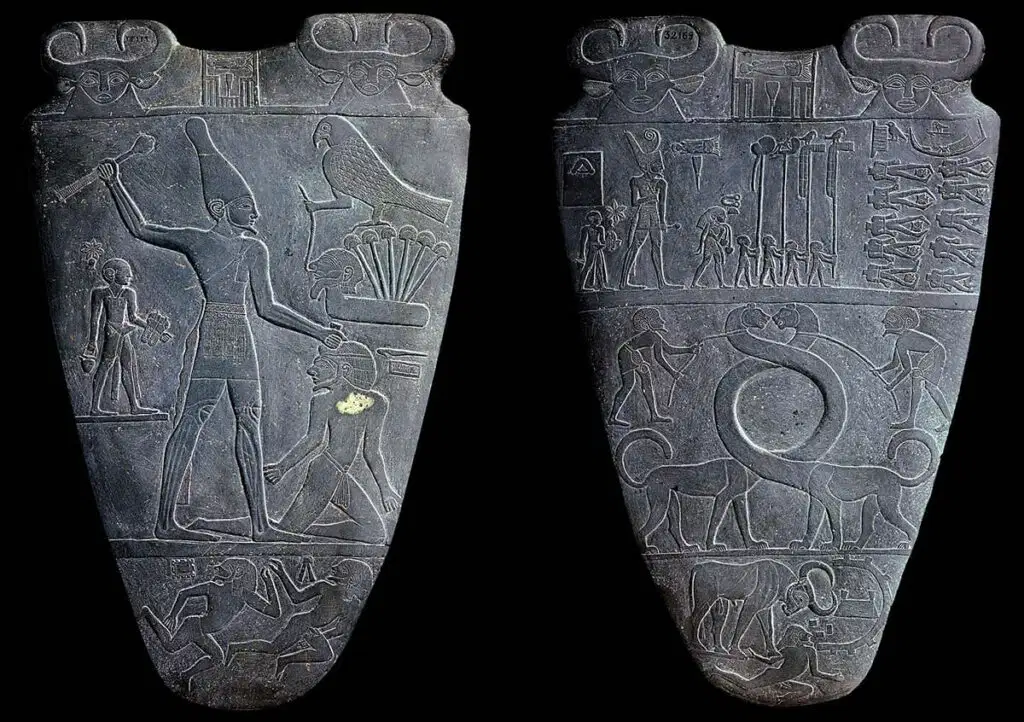
Narmer is known for his role in bringing Upper and Lower Egypt together under one ruler. However, unification took time rather than happening in a single battle. Scholars still debate whether Narmer and Menes, traditionally described as Egypt’s first king, were the same person or two different rulers.
His best-known surviving legacy is the Narmer Palette, which depicts him wearing the crowns associated with Upper and Lower Egypt. It is an object, not a building, but it offers an important introduction to royal imagery. The palette is associated with the Egyptian Museum in Cairo
If you’re interested in ancient egyptian pharaohs, Narmer is a good place to start. His palette shows how kings presented themselves and expressed their power long before the great pyramids were built.
2. Djoser: The Step Pyramid at Saqqara
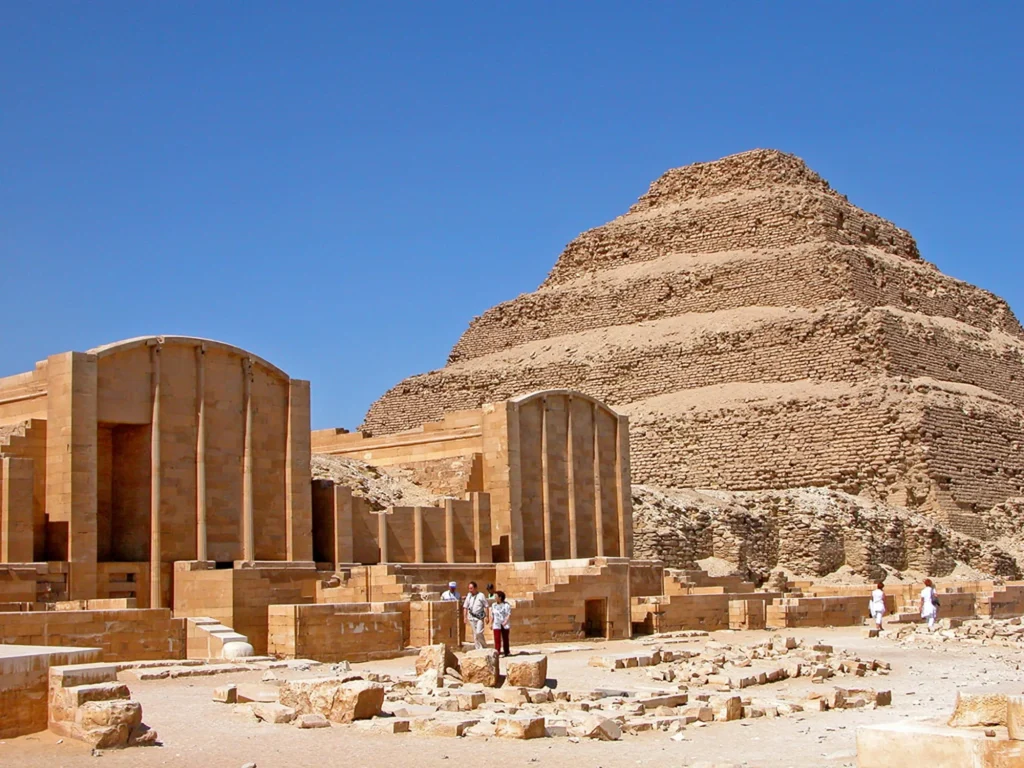
Djoser commissioned the Step Pyramid complex at Saqqara, with the architect Imhotep traditionally credited with its design. Its six stepped levels marked a major change from earlier rectangular royal tombs.
Visit for more than the pyramid itself. The surrounding complex helps explain how architecture, ceremony, and royal burial were brought together on an ambitious scale. Saqqara is especially rewarding if you want to understand how pyramid building developed before seeing Giza.
Among ancient egyptian pharaohs, Djoser stands out for a building project that changed the appearance of royal tombs.
3. Khufu: The Great Pyramid at Giza
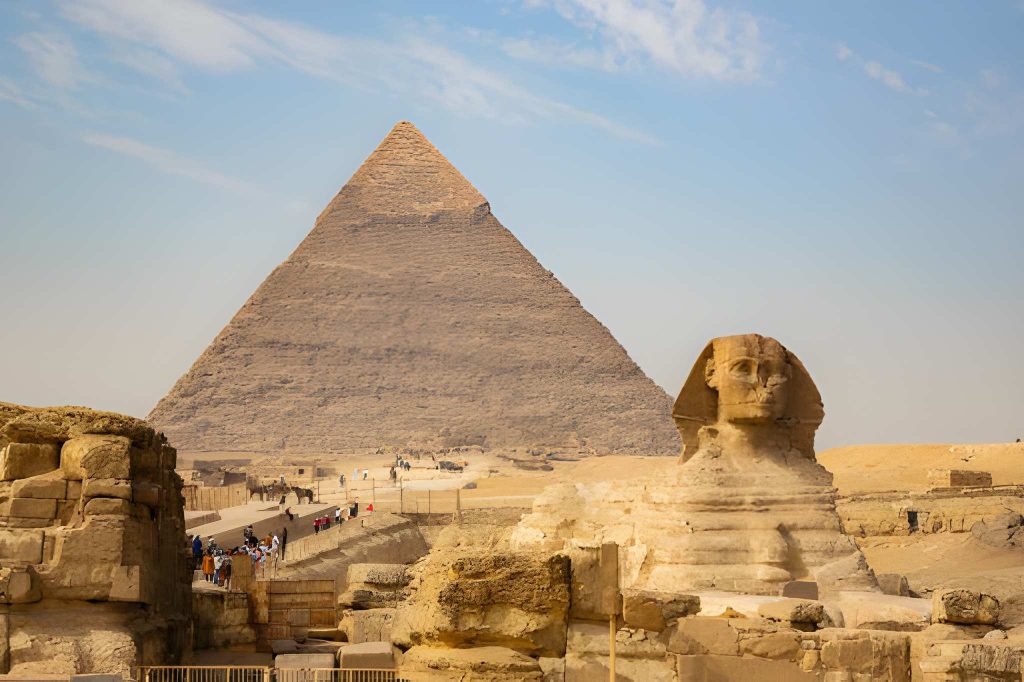
Khufu is best known for the Great Pyramid, which he ordered built during the Fourth Dynasty. It is the largest pyramid at Giza. Khufu is also known by his Greek name, Cheops.
One of the most interesting Khufu facts is that few written records about his life survive, despite the fame of his Great Pyramid. When visiting Giza, explore the pyramid and the surrounding sites to learn more about his reign.
4. Khafre: Another Royal Complex at Giza
Khafre, one of Khufu’s sons, ordered the construction of another pyramid at Giza. The Great Sphinx is also linked to him, though some details of its history are still debated. During your visit, you can see the pyramids of Khufu and Khafre, along with the Sphinx, and learn about the monuments the two kings left behind at Giza.
5. Mentuhotep II: Reuniting Egypt
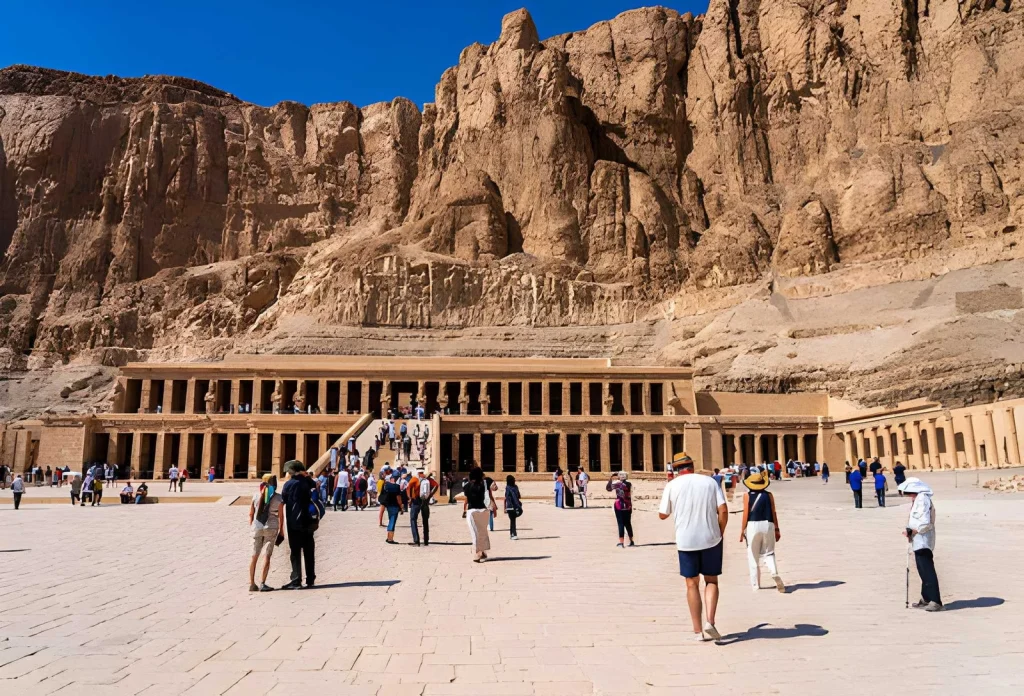
Mentuhotep II reunited Egypt after a period of division and paved the way for the Middle Kingdom. He also built the Mortuary Temple of Mentuhotep II at Deir el-Bahari on Luxor’s west bank. Some of its remains can still be seen beside Hatshepsut’s temple.
6. Hatshepsut: A Female Pharaoh and an Ambitious Builder
One of the most useful facts about hatshepsut is that she ruled as king, adopting the titles and royal imagery of the office. She initially acted as regent for Thutmose III before becoming the dominant ruler in their joint reign.
Discover her mortuary temple at Deir el-Bahari on a guided tour of Hatshepsut’s Temple. Its terraces sit against the cliffs, while its chapels reflect the religious purposes behind the building. She also commissioned monuments at Karnak, including obelisks and the Red Chapel.
Hatshepsut’s buildings show why ancient Egyptian pharaohs used architecture to express both religious devotion and royal authority.
7. Thutmose III: Beyond the Warrior King
Thutmose III is remembered as a powerful military ruler, but his building work also deserves attention. His early reign overlapped with Hatshepsut’s rule, giving the two histories a close connection.
At Karnak, look for the Akhmenu, his festival temple in the eastern part of the complex. Its pillared spaces offer a specific connection with his reign within a site expanded by many different kings.
When visiting large temple complexes, identifying individual builders makes the experience easier to follow.
8. Akhenaten: A Different Capital and Religious Direction
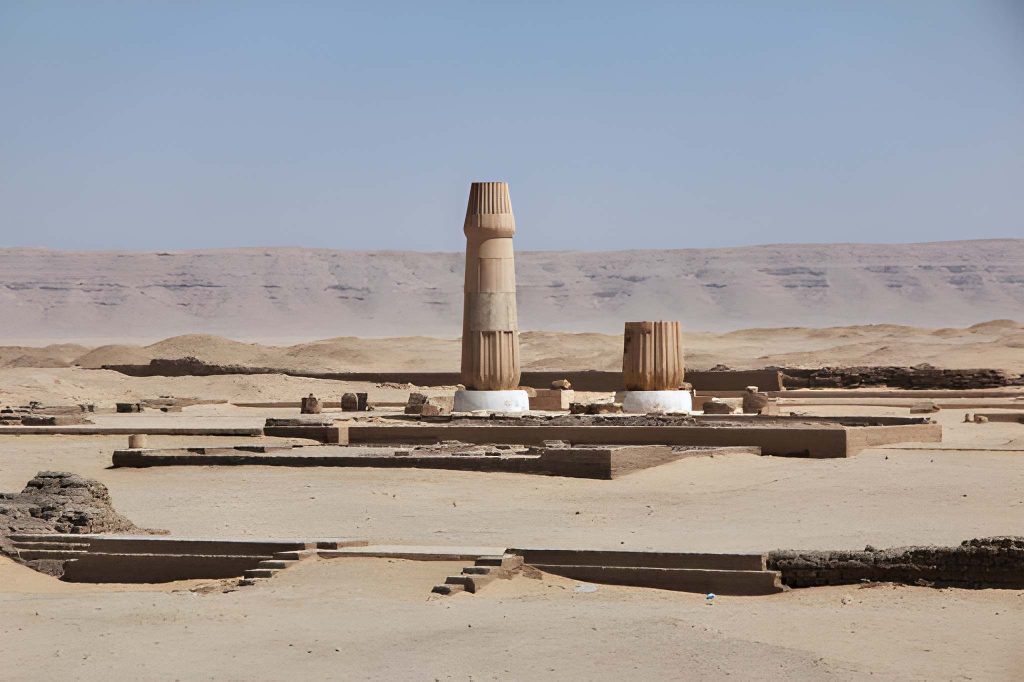
The essential king akhenaten facts concern his promotion of Aten, the sun disk, and his move to a new capital at Akhetaten, now called Amarna. These changes made his reign one of the most distinctive in Egyptian history.
He commissioned a new royal city, but visitors should expect an archaeological landscape rather than another standing Karnak. Amarna suits travelers who enjoy understanding the layout and remains of an ancient settlement.
Akhenaten also reminds us that ancient egyptian pharaohs did not all follow the same religious priorities. Later rulers reversed important parts of his program.
9. Tutankhamun: A Short Reign and an Extraordinary Discovery
King tutankhamun came to the throne as a child and died while still young. His reign helped restore traditional religious practices after the changes associated with Akhenaten.
The turning point in tutankhamun history came long after his death, when his largely intact tomb was discovered in the Valley of the Kings in 1922. That discovery transformed his modern reputation.
For a visit, distinguish between the tomb and its portable contents. The tomb belongs to the Luxor part of an itinerary; museum displays require separate planning. Confirm current display locations and admission arrangements before booking.
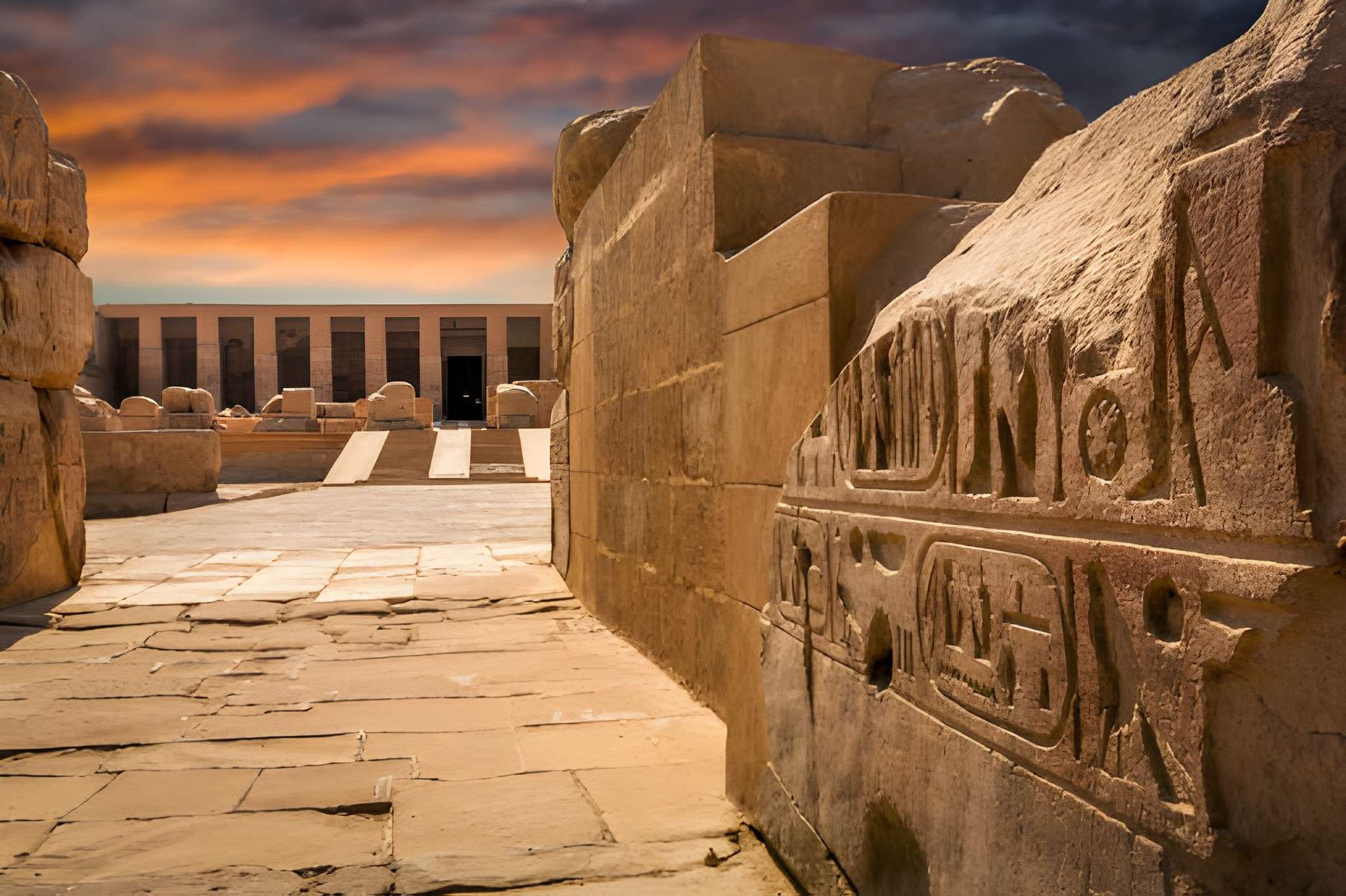
10. Seti I: The Temple at Abydos
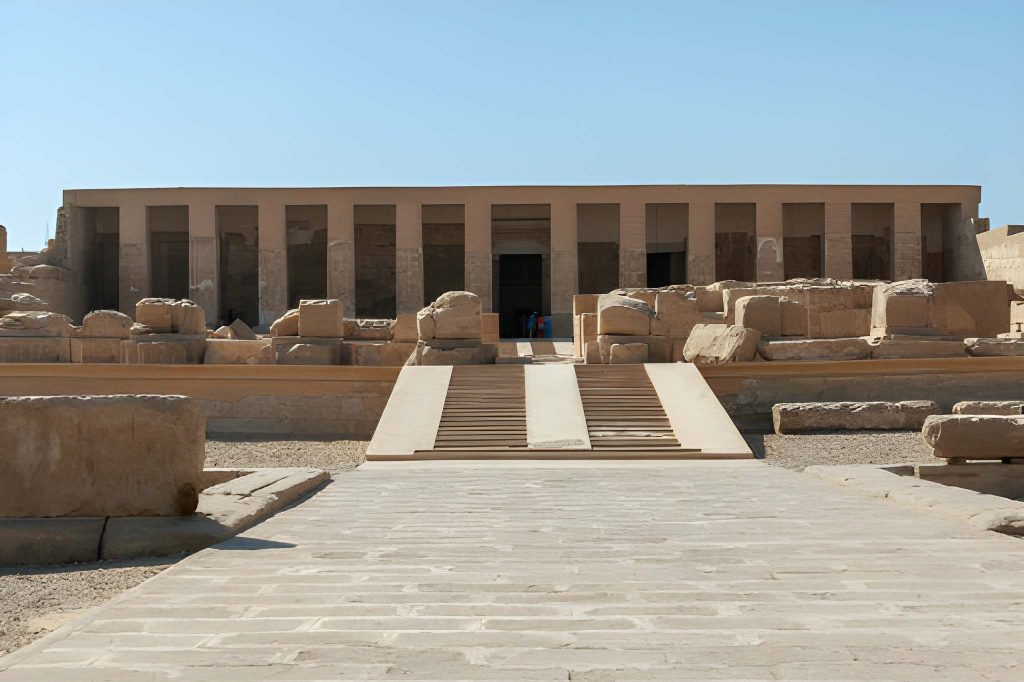
Seti I began the temple at Abydos, with important work completed by his son Ramses II. Its carved and painted religious scenes make it a rewarding choice for visitors who want to spend time looking closely at temple decoration.
The temple also contains the Abydos King List, which names selected kings rather than everyone who ruled Egypt.
Abydos adds another perspective to a journey through ancient egyptian pharaohs: the rulers themselves helped decide which predecessors would be publicly remembered.
11. Ramses II: Abu Simbel and the Ramesseum
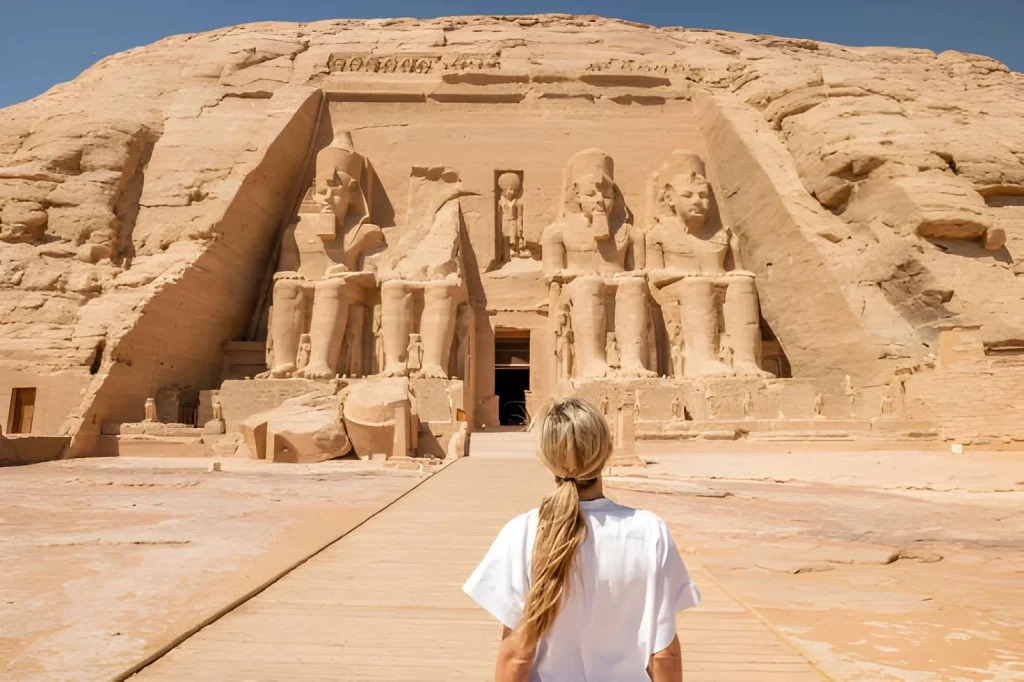
The best-known ramses ii achievements include major building projects that still give travelers clear reasons to visit southern Egypt. At Abu Simbel, four colossal seated statues dominate the front of his Great Temple, cut into the rock. A smaller neighboring temple honors Hathor and Queen Nefertari.
In Luxor, the Ramesseum was his mortuary temple. Its remains offer a different setting from Abu Simbel and show another side of his building program.
Plan Abu Simbel as a distinct part of your schedule rather than treating it as an extra stop between other visits.
Few ancient egyptian pharaohs have such an immediately recognizable architectural legacy.
12. Cleopatra VII: A Royal Image at Dendera
Cleopatra VII ruled from 51 to 30 BCE and was the last active ruler of the Ptolemaic kingdom. Her story belongs to a much later Egypt than that of the pyramid builders.
For a surviving connection, visit the Temple of Hathor at Dendera, where an exterior relief depicts Cleopatra with her son Caesarion. This does not mean she built the entire temple; a royal image and a building’s full construction history are different things.
You can find the relief on the temple’s south exterior wall.
Planning a Trip Around ancient egyptian pharaohs
Start with the rulers or monuments that interest you most, then build the route around them.
- Choose Giza and Saqqara if pyramids are your priority.
- Give Luxor time if you want Hatshepsut’s temple, Karnak, royal tombs, and the Ramesseum.
- Add Abu Simbel for Ramses II’s rock-cut temples.
- Consider Abydos, Dendera, or Amarna when their particular histories match your interests.
Avoid trying to visit every site simply to collect names. A smaller number of well-planned visits can give you more time to understand the architecture, read the scenes, and ask questions.
When arranging your tour with us, tell us which ancient egyptian pharaohs interest you most. We can discuss the route, transport, guiding, included tickets, and time available at each stop before you book.
Frequently Asked Questions
Who was the first egyptian pharaoh? Narmer is linked to the unification of Egypt, but Menes is traditionally known as its first king. Researchers still disagree on whether Menes was Narmer or another king.
Who was the last egyptian pharaoh? Cleopatra VII is known as the last effective ruler of ancient Egypt, although her son Caesarion shared the throne with her.
How was a pharaoh chosen in ancient Egypt? The throne usually passed from a father to one of his sons, but not always the eldest. Sometimes, another royal family member, a military leader, or a senior official became pharaoh, especially when there was no clear heir or a struggle for power.
Did all pharaohs’ tombs contain treasures? Pharaohs’ tombs were filled with items the ancient Egyptians believed the king would need in the afterlife, such as jewelry, furniture, and food. However, their contents varied, and many were robbed, so not all were found full of treasures.
How can I book a tour of ancient Egypt’s sites with you? Contact us with your travel dates, the number of travelers, and the places you’d like to visit. We’ll help you choose a suitable itinerary and explain the details, prices, and what’s included before you confirm your booking.
Conclusion
Learning about the pharaohs of ancient Egypt helps you understand the stories behind its temples and tombs. At Djoser’s pyramid, you can learn about the beginnings of pyramid building, while at Deir el-Bahari, you can discover Hatshepsut’s story. You can also explore the monuments of Ramesses II in Luxor and Abu Simbel and see Cleopatra’s image on the walls of Dendera Temple.
Choose the places you’d like to visit and give yourself time to enjoy each one. Contact us today with your travel dates and the sites you’d like to explore. We’ll plan an itinerary that suits your interests, with clear details on transport, guides, tickets, and prices before you book.

