


 BLOG
The saqqara pyramids reveal a different side of ancient Egypt: not one famous skyline, but a vast burial landscape where royal architecture, religious beliefs, and everyday life meet. Here, you can explore Djoser’s groundbreaking Step Pyramid, discover sacred texts inside a royal tomb, and look beyond the pharaohs through the decorated burial places of their officials. Located approximately 40 kilometres southwest of Cairo, Saqqara was one of the principal cemeteries serving ancient Memphis.
A rewarding visit depends on choosing the right monuments rather than trying to enter everything. This guide explains what makes each major stop distinctive, how to organise transport, which ticket details need checking, and what to ask before booking a guided excursion.
Why the Saqqara Pyramids Matter
Saqqara is not a single monument or a cemetery belonging to one ruler. Its surviving remains span successive periods of Egyptian history, allowing visitors to trace changes in burial architecture and religious expression. The saqqara necropolis contains early royal burials, Old Kingdom pyramids, officials’ tombs, and later religious monuments.
Its wider historical setting matters, too. Saqqara belongs to the Memphis burial landscape included in UNESCO’s World Heritage listing in 1979. Giza and Dahshur are part of that broader heritage property, rather than interchangeable names for the same archaeological site.
Think of the saqqara pyramids as chapters in a developing architectural story. Their importance lies not simply in their appearance, but in the different ideas about kingship and the afterlife that they preserve.
What to See at the saqqara pyramids
Djoser’s Step Pyramid and Ceremonial Complex
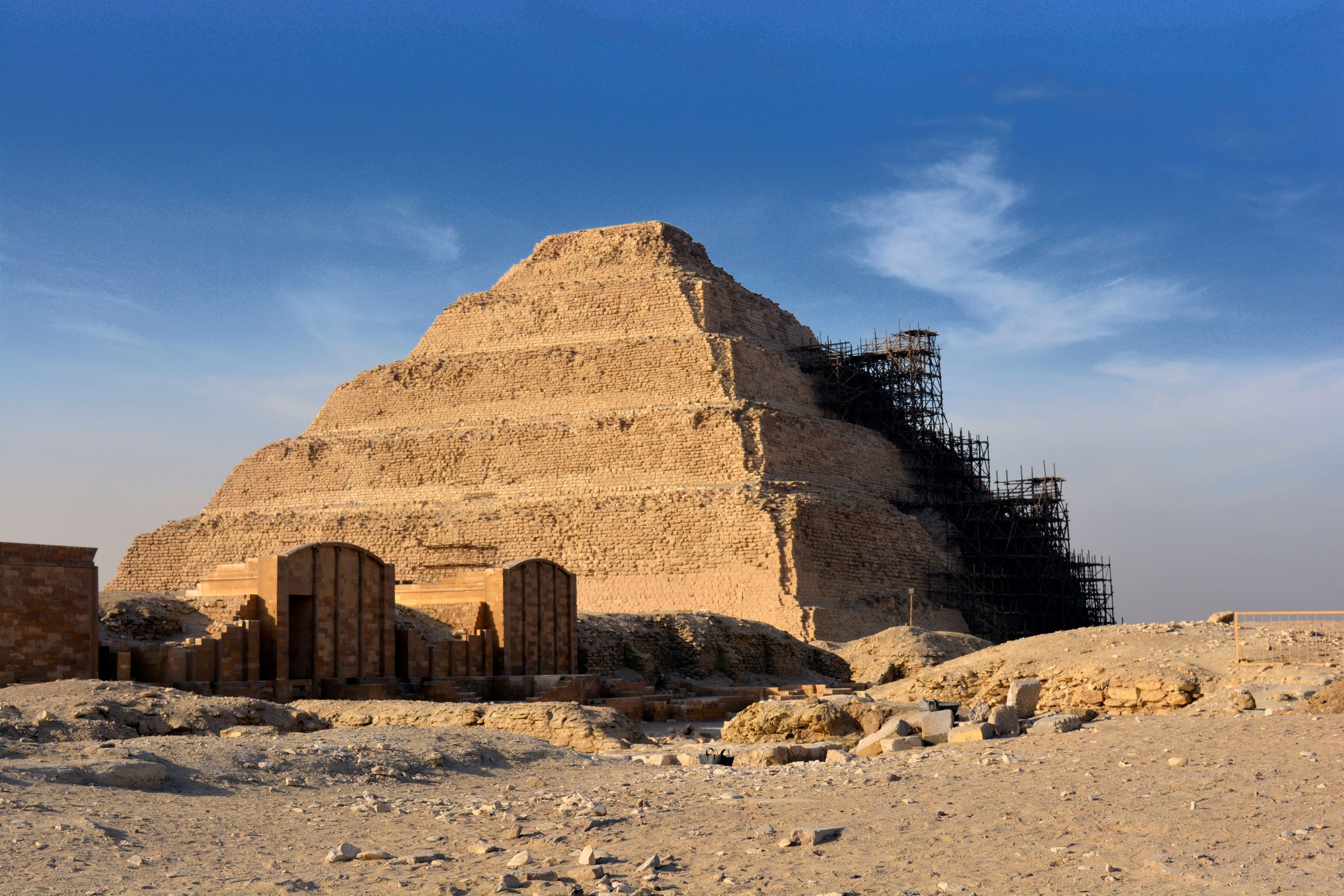
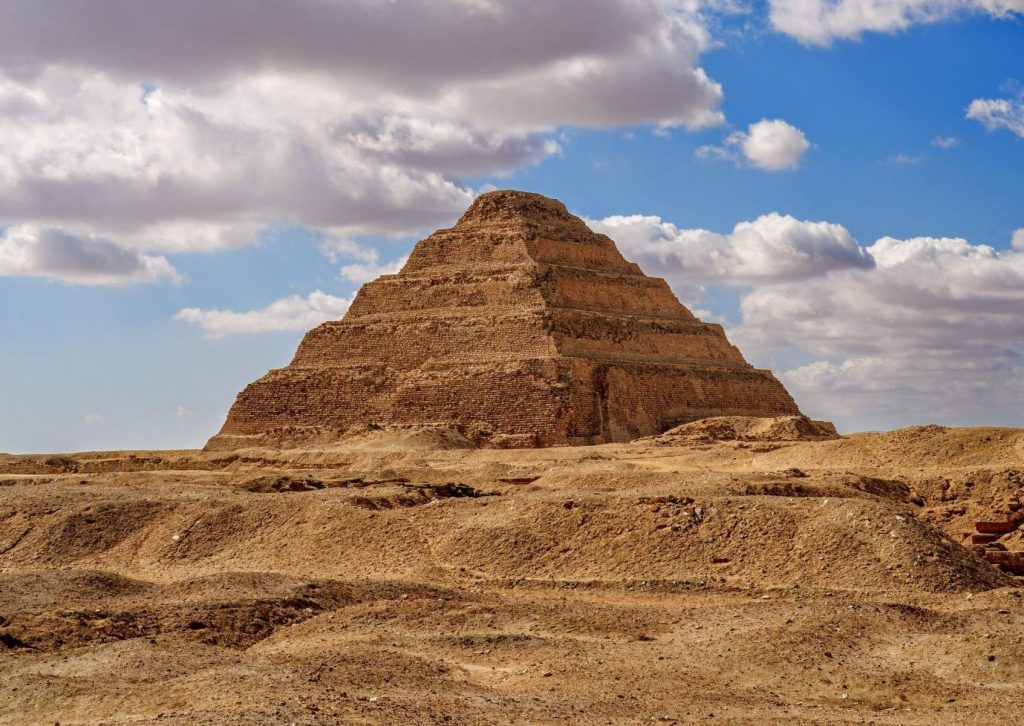
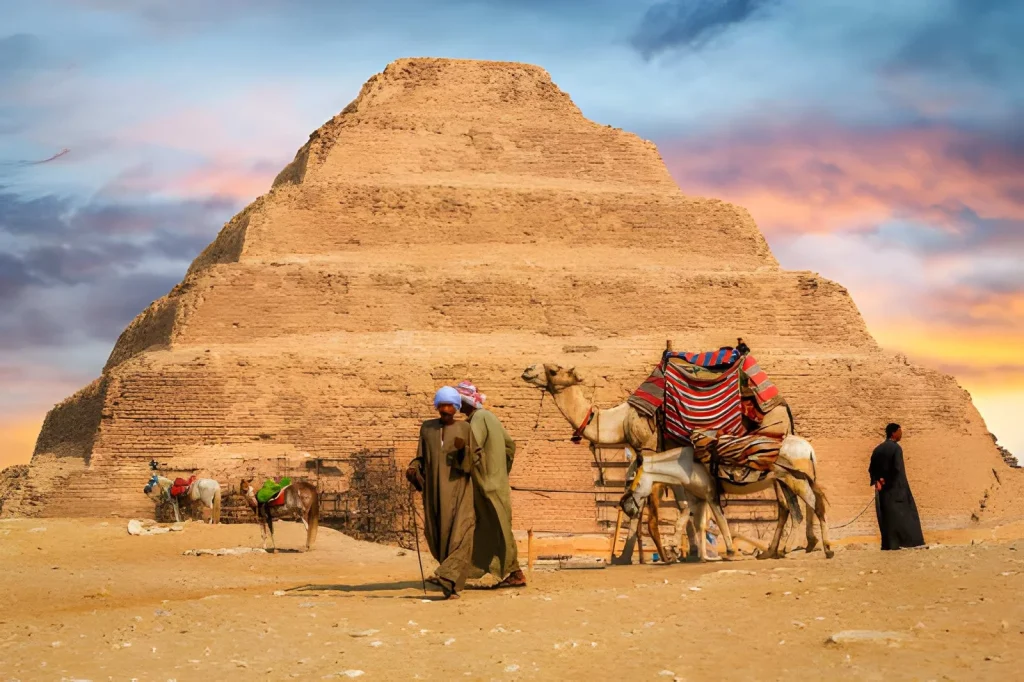
Djoser’s monument is the essential starting point. Built during the Third Dynasty in the 27th century BC, it was ancient Egypt’s first pyramid. Its six stepped levels developed from the mastaba: a rectangular funerary structure built above an underground burial. The architect traditionally associated with this innovation is Imhotep.
However, this saqqara pyramid makes more sense when you explore its surrounding complex. The courts and stone-built ceremonial structures were connected with the Sed Festival, a royal ritual intended to renew the king’s strength. Architecture therefore served both a physical and a spiritual purpose.
Among the saqqara pyramids, this is where the relationship between design and royal ritual becomes especially clear. Allow time to examine the complex rather than treating the pyramid as an isolated photograph stop.
Unas and the Pyramid Texts
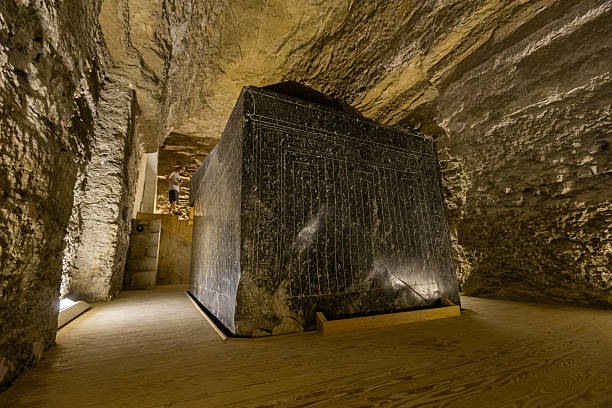
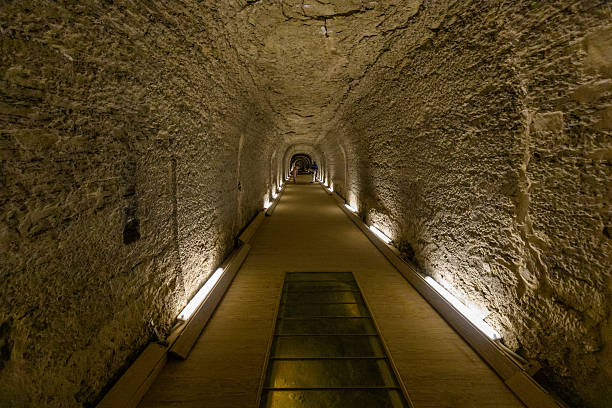
Unas offers a different reason to go underground. His Fifth Dynasty pyramid contains the earliest known example of the funerary inscriptions called the Pyramid Texts. These spells and instructions were intended to assist the deceased king in reaching the afterlife.
The contrast with Djoser is valuable: one stop explains an architectural breakthrough, while the other introduces the written religious programme within a royal burial chamber.
Decorated Tombs of Officials
The royal monuments are only part of the experience. Saqqara’s officials’ tombs preserve detailed scenes and inscriptions that broaden the story beyond the king. The Sixth Dynasty tomb of Mehu, for example, belonged to a chief justice and vizier and is noted by Egypt’s antiquities authorities for its preservation.
Include an officials’ tomb alongside the saqqara pyramids to introduce a different scale of craftsmanship. Rather than comparing only monumental exteriors, you can examine carved figures, painted details, and the ways elite individuals represented themselves.
Serapeum: The Sacred Apis Bull Burials
The serapeum of saqqara introduces another aspect of Memphite religion. Its underground galleries housed burials of sacred Apis bulls associated with Ptah, whose worship centred on Memphis. The monument remained in use from the New Kingdom into the Ptolemaic Period.
These were not ordinary livestock burials. A living Apis bull was regarded as a manifestation of Ptah, and its death prompted an honoured burial before a successor was identified. This religious context explains the monument more meaningfully than unsupported claims about mysterious underground chambers.
Imhotep Museum
The Imhotep Museum brings objects excavated at Saqqara into a more manageable setting. Its six halls display material including statues, coffins, architectural elements, and other finds. It also commemorates Imhotep’s association with Djoser’s complex and large-scale stone construction.
Use the museum to connect individual objects with the larger landscape you have explored.
How to Reach Saqqara from Cairo
For travellers asking How to visit Saqqara pyramids from Cairo, the first planning point is distance: the site lies approximately 40 kilometres southwest of the city. Your actual journey depends on your departure neighbourhood and traffic, so avoid building an itinerary around a guaranteed transfer time.
Practical arrangements to consider include:
- A prearranged driver with a clearly agreed return journey.
- A guided excursion combining transport and archaeological interpretation.
- A tailored itinerary that specifies which monuments and interiors you want.
For the saqqara pyramids, confirm whether your transport arrangement covers movement between the planned stops as well as the journey from Cairo. Also agree on pickup location, waiting time, and any additional destinations before departure.
A private Saqqara tour from Cairo can be a useful format when you want control over pacing.
A Suggested Route Without Rushing
Build your route around contrasting experiences rather than the longest possible attraction list. The following is a planning suggestion, not an official timetable.
| Visit stage | Suggested focus | What it contributes |
| First | Djoser’s complex | Architectural innovation and royal ceremony |
| Second | Unas, if interior access is available | Funerary writing and afterlife beliefs |
| Third | One decorated officials’ tomb | Detailed art and elite identity |
| Fourth | Serapeum, if selected | Sacred animal worship |
| Final | Imhotep Museum | Objects and context from the excavations |
Reserve roughly half a day on site as a planning allowance, then adjust for your chosen interiors, walking pace, and interests. Travellers who enjoy detailed interpretation should allow more flexibility.
To keep the saqqara pyramids visit focused, identify two essential stops and treat the others as additions. Confirm access before committing to a fixed sequence.
Tickets, Opening Hours, and Separate Admissions
The official Saqqara visitor page currently lists general opening hours of 8 a.m.–4 p.m. It also lists separate charges for several monuments. However, individual monument pages show different hours and, in some cases, different prices. Reconfirm arrangements before travelling rather than relying on a single unchanged figure.
Choosing a Tour and Preparing for the Visit
A saqqara tour should explain what you will actually experience, not merely list the destination.
Before you book saqqara pyramids tour arrangements, request written confirmation of:
- The named monuments on the itinerary.
- Included entrance tickets and separately payable interiors.
- Whether an archaeological guide accompanies you on site.
- Transport, pickup area, and return arrangements.
- Cancellation terms and the policy for unavailable attractions.
For the saqqara pyramids, preparation also means matching the route to your comfort. Bring sun protection, water, and secure footwear, and ask about steps, passageways, and underground spaces before purchasing interior admissions. Keep the schedule flexible enough for breaks rather than making every optional entry compulsory.
Frequently Asked Questions
Where does the name Saqqara come from? Egypt’s Ministry of Tourism and Antiquities states that the name most likely derives from Sokar, a deity associated with the necropolis. That remains a probable explanation rather than a certainty.
Was Horemheb buried in his Saqqara tomb? No. Horemheb prepared a tomb at Saqqara before becoming king. After ascending the throne, he constructed a royal tomb in the Valley of the Kings instead. His Saqqara monument therefore represents his earlier, non-royal career.
Are there Christian remains near the saqqara pyramids? Yes. The wider site includes remains of the Monastery of Apa Jeremiah, which continued in use until the eighth century AD. Saqqara’s history therefore extends well beyond ancient pharaonic burials.
Is Dahshur another name for Saqqara? No. Dahshur is a separate part of the Memphite cemetery landscape. Its monuments include Sneferu’s Bent Pyramid and Red Pyramid, making it a distinct destination rather than another entrance to Saqqara.
Conclusion
The saqqara pyramids reward a visit built around variety: monumental architecture, religious texts, decorated tombs, and sacred animal burials each reveal a different part of the site’s history. Choose the monuments that interest you most, verify access and ticket coverage, and arrange transport with clear inclusions. That approach creates a more coherent experience than rushing through an oversized checklist—and gives each remarkable stop the attention it deserves.
Ready to Discover Saqqara Pyramid Egypt?
Contact us today to book your Saqqara Step Pyramid tour from Cairo and discover the remarkable monuments, royal tombs, and ancient stories that bring Egypt’s past to life.
