


 Uncategorized
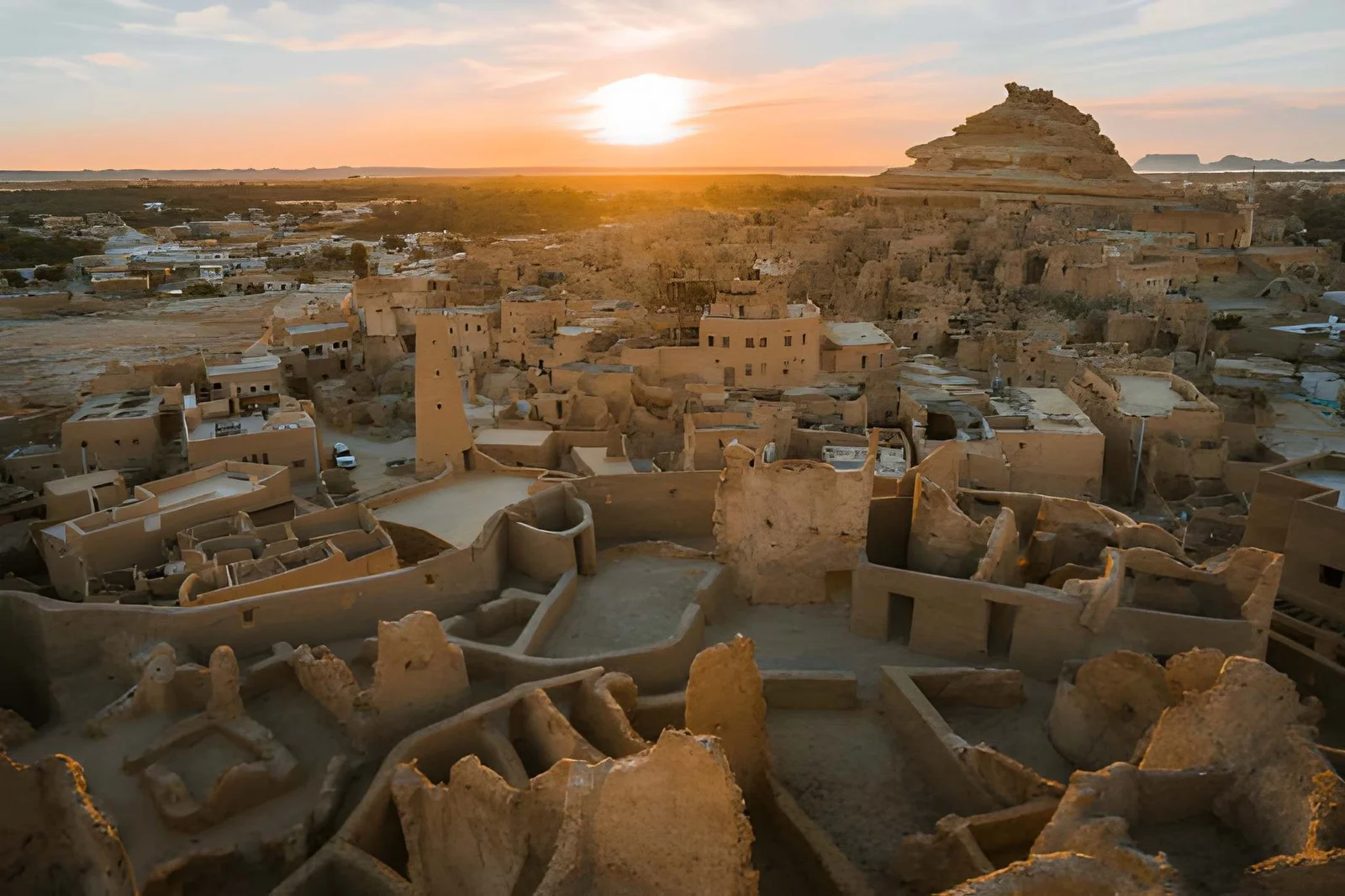
Siwa Oasis is one of the most unique destinations in Egypt. Ancient history, dramatic desert landscapes, natural springs, salt lakes and a living local culture come together in Siwa. This isolated oasis in Egypt’s Western Desert, near the Libyan border, offers a slower and more authentic travel experience than the country’s major cities, giving visitors a chance to experience the egypt desert in a unique setting. Visitors can explore the ruins of Shali, learn about the famous Oracle of Siwa, swim in Cleopatra’s Bath, and view the sunset over the Great Sand Sea.
Siwa also rewards responsible travellers who respect its traditions, protect its delicate environment and opt for locally owned accommodation and guides. Whether you are after a cultural break, a desert safari or a relaxing holiday in nature, this guide will assist you to decide what to see, when to go and how to get the best out of your visit.
Where is the Siwa Oasis?
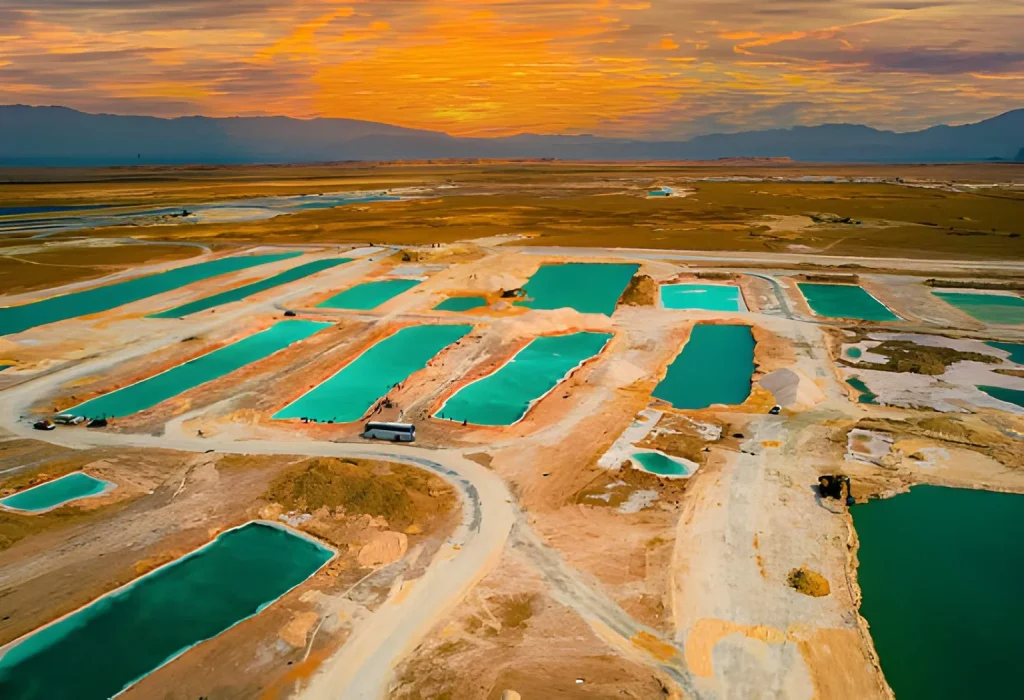
Siwa Oasis is found in Matrouh Governorate in the Western Desert of Egypt, about 820 km southwest of Cairo. Its isolation helped to preserve the local Siwi language, as well as some customs, architectural styles and food traditions. The oasis is also fairly close to the Libyan border, and so it feels geographically and culturally distinct from destinations along the Nile Valley.
It takes time to get there and that is part of the appeal of Siwa. They leave the busy urban streets and find themselves in a landscape of palm groves, olive farms, freshwater springs, salt lakes and golden dunes. The Egyptian government regards Siwa as an important tourist destination, with its archaeological remains, natural features and traditional communities.
The oasis is also environmentally important. In 2002 some 7,800 square kilometres of the Siwa area and its hinterland were declared a protected area due to the biological, cultural and environmental importance. This status makes sustainable travel even more important.
Why Go to Siwa Oasis?
Siwa Oasis is the perfect destination for travellers looking for more than the usual sightseeing. The places to visit in Siwa Oasis Egypt provide a range of experiences in one trip:
- Ancient temples and archaeological sites associated with the Greco-Roman period.
- Natural salt lakes amidst desert scenery.
- Egypt springs are a natural attraction in Siwa, offering visitors places to relax and enjoy the oasis environment.
- Palm and olive groves providing a green contrast to the surrounding desert.
- Sandboarding and 4WD excursions in the Great Sand Sea.
- Eco-lodges in the local traditional mud-brick architecture.
- A relaxed atmosphere for photography, wellness and stargazing.
Unlike many Egyptian destinations, Siwa isn’t focused on one famous monument. Instead, it is the relationship of nature, history, and community that is attractive. A traveller could visit an ancient temple in the morning, spend the afternoon floating in a salt lake, and eat local food beside a desert camp in the evening.
Best Things to Do in Siwa Oasis Egypt
Explore Shali Fort
One of Siwa’s most recognised landmarks, Shali Fortress. The old settlement was built largely from kershef, a traditional material made from salt, mud and local clay, which once protected residents from attacks. Parts of the structure have been damaged by rain and erosion over time, but the ruins remain an important stop for understanding Siwa’s history and architecture.
The narrow paths leading up through Shali offer far-reaching views over the town, the palm groves and the surrounding desert. Sunset is especially atmospheric, as the changing light plays across the fortress’s layered earthen walls.
Avoid climbing unstable sections and follow local guidance when visiting. It is more than a photo location, it is an important part of Siwa’s cultural heritage.
Discover the Oracle in Siwa
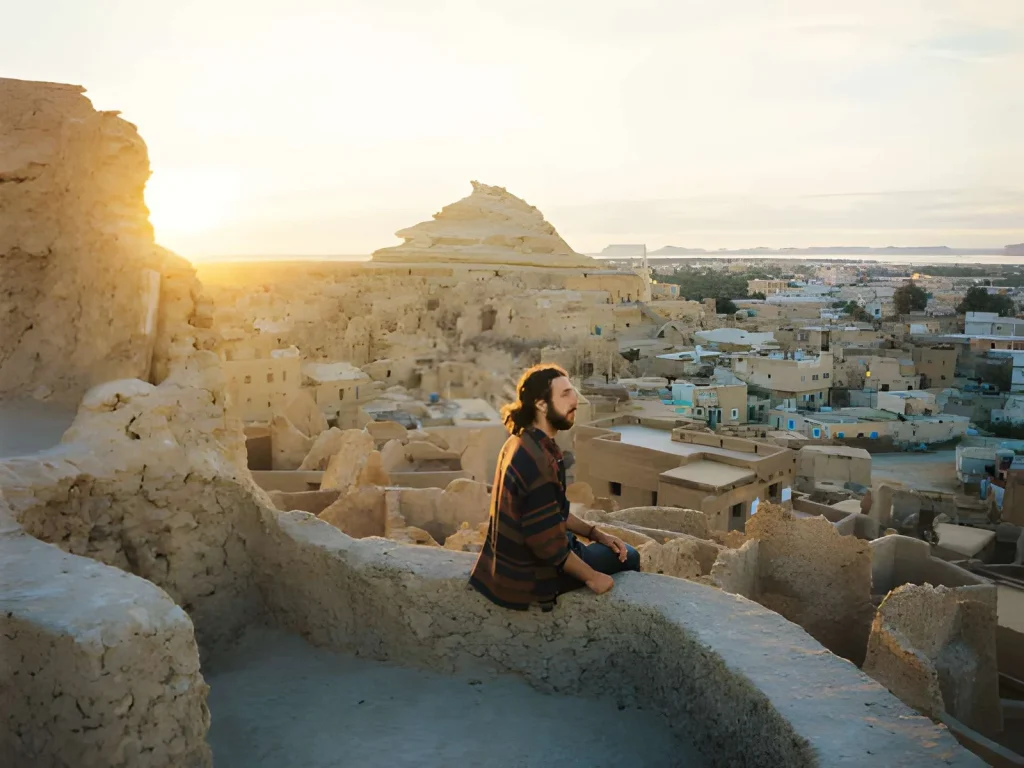
The Oracle of Amun at Aghurmi is associated with one of the most famous religious centers of the ancient world. Ancient writers connect the oracle with Alexander the Great, who is said to have travelled to Siwa to ask if he was the son of the god Amun.
The remaining ruins help visitors imagine the oasis in its ancient era when pilgrims, rulers and travellers crossed the desert to consult the oracle. The site also has value because it is situated on a rocky hill and commands views over the surrounding landscape.
Some of the historical information comes from ancient writings and later oral traditions, so local guides, who know the area and its history, can separate the factual records from the more popular tales.
Float on Siwa Salt Lake
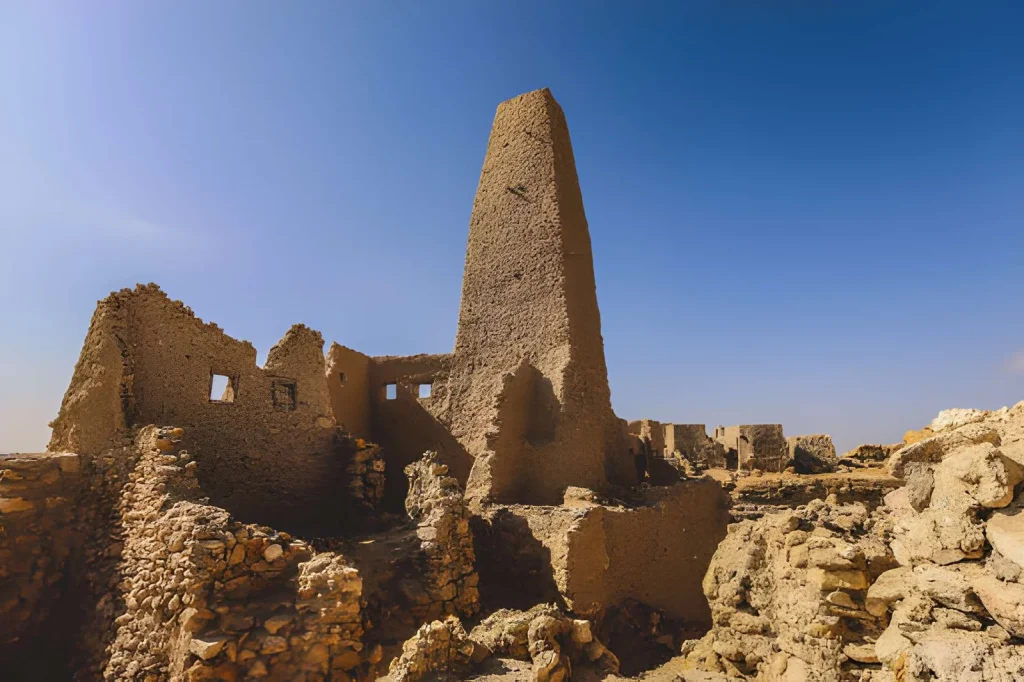
A trip to a siwa lake is one of the more memorable experiences one can have in the oasis. The high salt concentration makes it easier for swimsuits to float and it creates a sensation similar to floating in other mineral-rich lakes. The shades of blue and turquoise water provide a nice contrast to the white salt edges and the dry desert surroundings.
But visitors should take a number of precautions:
- Don’t get any salt water in your eyes.
- Do not go into the water with open wounds or irritated skin.
- Wear water shoes, salt crystals and uneven ground can be sharp.
- Rinse your body afterward with fresh water.
- Swim between the flags and listen to local safety advice.
The salt lakes are fragile ecosystems too. Don’t leave plastic, don’t disturb the shoreline, and don’t take lots of salt.
Swim in the Bath of Cleopatra
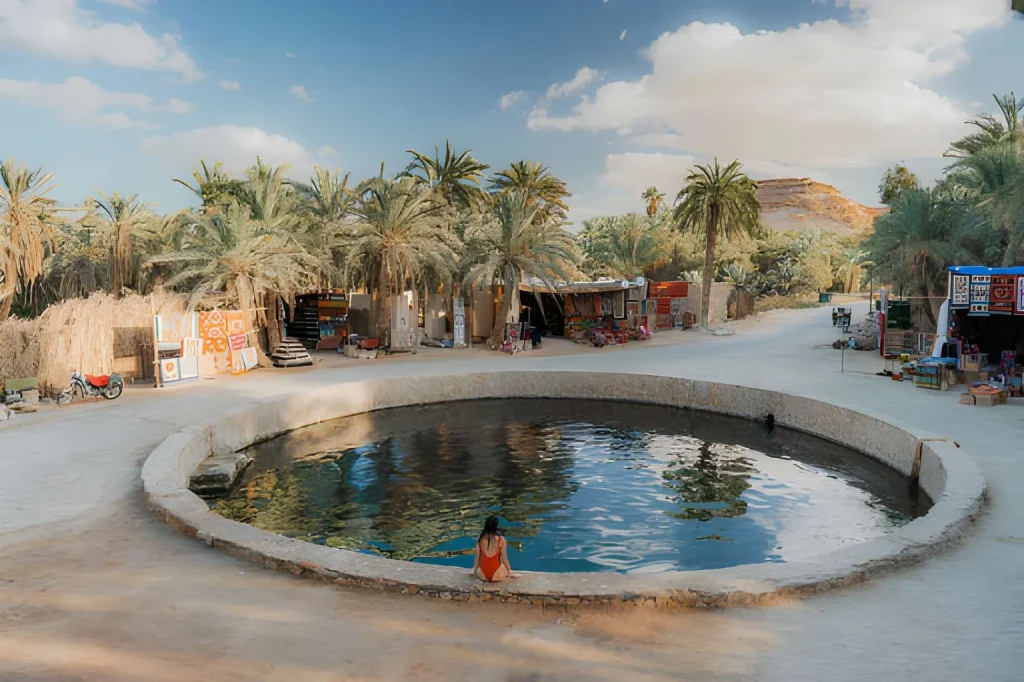
The Bath of Cleopatra is a pool of natural stone fed by a warm spring. There is no solid evidence that Cleopatra ever bathed there, despite its famous name. The name reflects the local tradition and the long-standing association of the spring with the historical identity of Siwa.
The pool is surrounded by palm trees, cafés and places to sit after swimming. It’s a comfortable place to take a relaxing break, especially if spending a day exploring the oasis.
If you need to walk through nearby communities, it is more respectful to dress modestly and follow local customs. If the pool is busy, maybe go at a less busy time than treating the area like your own swimming pool.
Go on a Great Sand Sea Safari
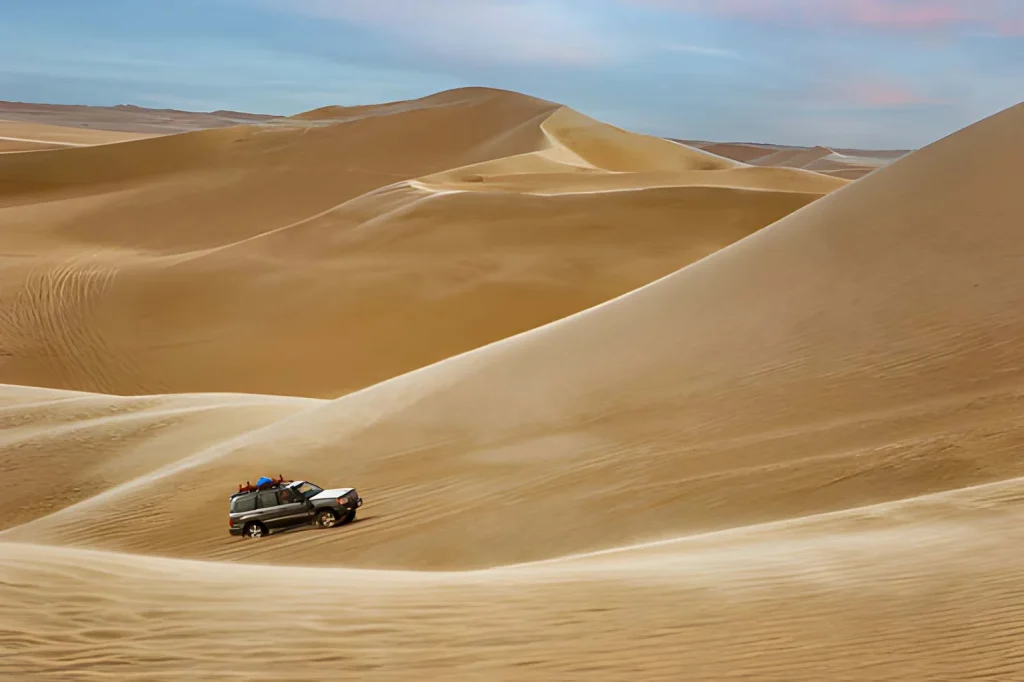
Outside Siwa, the Great Sand Sea is nature’s adventure playground. A Siwa Oasis desert safari experience takes guests across the vast dunes, where they can try sandboarding, take pictures of the landscape and enjoy changing colours of the desert.
A typical safari usually includes:
- A drive across the dunes.
- Stop for sand board riding.
- Tea or light meal in a Bedouin style camp.
- A sunset viewing spot.
- If the weather is clear, we can stargaze after dark.
For a good experience, book with a licensed or well-reviewed operator that uses experienced drivers and maintains its vehicles. Desert environments are remote so safety is more important than the cheapest excursion.
Watch the Sunset on Fatnas Island
Fatnas Island is also sometime called as Fantasy Island with water and palm trees all around. It is known for its sunset views. It’s a more peaceful option than the more active desert safari experience.
Get to the spot early, before sunset, to get a good seat and enjoy the walk along the shoreline. The sun is reflected all over the lake while the palms create silhouettes against the sky making the view very photogenic.
Go to the Mountain of the Dead
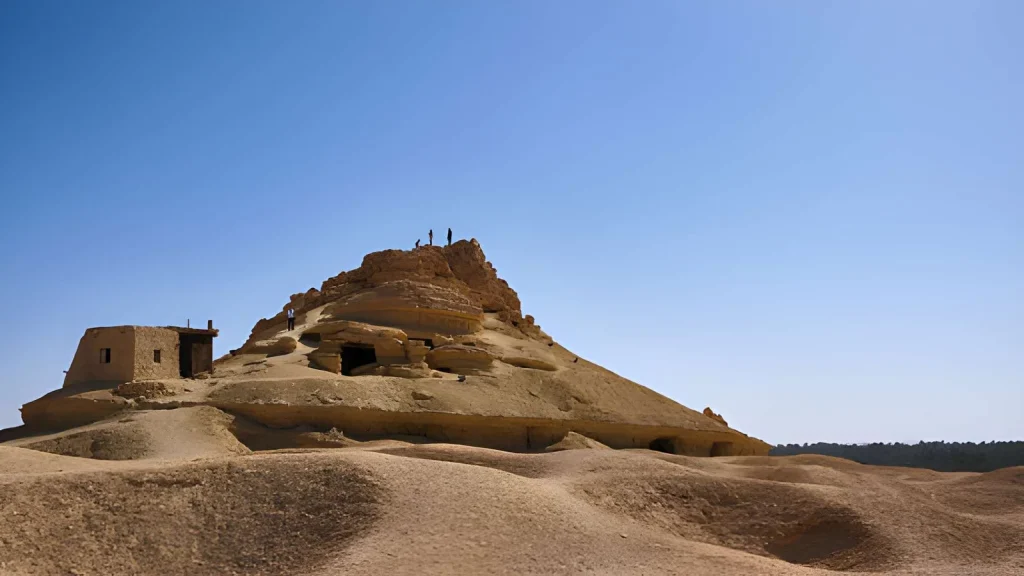
Gebel al-Mawta, or the Mountain of the Dead, is a rocky hill, its side honeycombed with ancient tombs. Evidence of the historical importance of Siwa can be found in decorations and inscriptions from different periods in several burial chambers.
Visitors are asked not to touch painted surfaces or to go into restricted areas. Tombs are vulnerable to humidity, dust and physical contact so responsible behaviour helps to protect them for future generations.
Experience Siwa’s Local Culture
One of the most compelling reasons to visit is Siwa’s culture. Local crafts include embroidered clothes, pottery, baskets, handmade jewellery, all made from palm leaves. The oasis is also famous for its dates, olives, olive oil and traditional dishes made with local ingredients.
Supporting artisans or community businesses through your purchases can be a more meaningful way to help than buying mass-produced souvenirs. Always ask for permission before taking pictures of people, homes, ceremonies or children.
Siwa Travel Experiences Summary
| Experience | Best for | When to go | Practical notes |
| Shali Fortress | History & Photography | Late afternoon | Comfortable shoes |
| Salt lakes | Swimming and relaxation | Morning or late afternoon | Bring fresh water to wash off |
| Oracle of Amun | Ancient History | AM | Have an informed guide |
| Bath of Cleopatra | Observe local dress codes | Daytime | Swim and short break |
| The Great Sand Sea | Adventure & Sunsets | Afternoon to nite | Use a reputable desert operator |
| Fatnas Island | Quiet views and photography | Sunset | Get there early for good position |
| Ecolodge stay | Cultural immersion and slow travel | Any season | Please check facilities before booking |
Siwa Oasis: When to Visit
The best time to go to Siwa is generally October to April. These months are preferable to the intense heat of summer for walking, sightseeing, visits to the salt lakes and desert activities. According to the State Information Service of Egypt, spring and autumn are mild but summer can be very hot.
Winter brings pleasant days, but nites can get cold, especially in the desert camps. Take layers instead of just light summer clothes. For travellers seeking a combination of outdoor activities and pleasant temperatures, spring and autumn are perfect.
Summer travel is still possible for seasoned travellers. Just schedule things for early in the day, stay hydrated and make sure your accommodation has good cooling. Weather patterns can be unpredictable, so check conditions before you leave.
Where To Lodge
Siwa offers accommodation ranging from simple guesthouses to traditional eco-lodges and desert camps. Many properties use local materials, palm wood and traditional construction methods to minimise their visual and environmental footprint.
A well selected eco lodge and bedouin camp experience can feature:
- Meals prepared locally.
- Views of the palm-grove or desert.
- Old buildings.
- Solar powered facilities.
- Tea and storytelling in the evening.
- Locally led guided activities.
Read what the property really provides before you book. Some eco-lodges have limited electricity, weak mobile coverage or share bathrooms. These features may be part of the experience but they should not be a surprise.
Getting to the Oasis of Siwa
The majority of visitors arrive to Siwa overland from Cairo, Alexandria or Marsa Matrouh. The trip takes a long time so most travellers either combine Siwa with another destination, or hire a private means of transport for more comfort.
Some considerations for a workable travel plan:
- Getting there early so they don’t arrive after dark.
- Snacks and water.
- Confirmation of resting places along the journey.
- Hire a driver with experience to book your transport.
- Offline access to your accommodation and transfers details.
- Give yourself three or four nites to enjoy the oasis at your leisure.
Travel times, road conditions and transport schedules may change so please check current arrangements with your hotel or tour operator before you depart.
Sustainable Tourism in Siwa
Siwa’s landscapes and heritage need to be carefully protected. It is dependent on scarce water resources, and its salt lakes, springs, dunes and archaeological structures can be damaged by careless tourism.
Follow these guidelines:
- Purchase a few plastic bottles, but also make use of a reusable bottle.
- Don’t litter around the lakes, springs and desert camps.
- Do not remove any archaeological artefacts, stones or natural features.
- Desert trips should only be done on designated tracks.
- Support local guides, artisan food producers, restaurants and accommodation providers.
- Ask residents before photographing them.
- Dress code in public areas of hotels and swimming pools.
The United Nations World Tourism Organization has recognised Siwa’s efforts to protect its cultural resources and to restore traditional buildings, particularly in the area of Shali. To reinforce this work is to choose responsible operators.
Frequently Asked Questions
How do I get to Siwa Oasis from Cairo? Siwa can be reached by road from Cairo by bus, private car, or pre-arranged transportation. Since the journey takes a long time, it is best to plan ahead and confirm transportation schedules and rest stops.
Do I need a local guide in Siwa? Having a local guide can be particularly helpful when visiting archaeological sites or going on a desert safari. A knowledgeable guide can help you understand the area’s history and reach remote desert locations safely.
Can I visit Siwa on a short trip? You can visit some of the main attractions in a limited amount of time, but staying for several nights gives you more time to enjoy the oasis at a relaxed pace and experience different activities without feeling rushed.
What local food can I try in Siwa? Visitors can try traditional Siwan dishes as well as dates, olives, olive oil, and other locally produced foods. Options vary between accommodations and restaurants, so it is useful to ask about the local dishes and ingredients available.
Is mobile phone service and internet available in Siwa? Mobile and internet services are available in the area, but coverage and connection quality can vary depending on your location and accommodation. Coverage may be limited in some desert areas, so it is a good idea to keep your booking and transportation details available offline.
What should I book in advance before visiting Siwa? It is best to arrange your accommodation, transportation, and desert excursions in advance, especially during busier travel periods. You should also confirm the tour details and check whether transportation and activity fees are included.
Conclusion
Siwa Oasis is one of the few places where you can get the rare combination of ancient history, natural beauty, adventure, and cultural authenticity. From Shali Fortress and the Oracle of Amun to salt lakes, freshwater springs, palm groves and sunsets over the Great Sand Sea, each experience here offers a different side to this remote Egyptian destination.
Visit during the cooler months, allow plenty of time for the long journey and use local and environmentally responsible services wherever possible. With a little planning, Siwa Oasis can be one of the most rewarding stops on an Egypt itinerary. Book a Siwa Oasis Tour from Cairo and enjoy a planned journey to the oasis with transportation, local experiences and desert activities.
Ready to experience Siwa’s salt lakes, ancient temples, and desert sunsets? Contact Us now to book your Siwa Oasis tour from Cairo — seats are limited.

