


 Uncategorized
Exploring the Top 5 museums in Egypt introduces you to more than ancient treasures. Each collection reveals a different part of the country’s story, from the rise of early kings to royal burial traditions and the distinctive heritage of Nubia. Choosing the right museums helps you connect the objects on display with the temples, tombs, and landscapes you encounter during your holiday.
This guide explains what you can see inside each museum, which famous artifacts deserve your attention, and how the collections differ. Whether you are interested in Tutankhamun, royal mummies, monumental sculpture, or everyday traditions, you can build your itinerary around the subjects that matter most to you rather than rushing through every gallery.
Top 5 museums in Egypt at a Glance
This shortlist brings together five collections across Cairo, Giza, Luxor, and Aswan. It is a practical selection for travellers, not an official ranking.
| Museum | Location | Best known for |
| Grand Egyptian Museum | Giza | Tutankhamun’s treasures and monumental royal sculpture |
| Egyptian Museum | Tahrir Square, Cairo | The Narmer Palette, Khufu’s statuette, and major royal sculptures |
| National Museum of Egyptian Civilization | Fustat, Cairo | Royal mummies and the development of Egyptian civilisation |
| Luxor Museum | Luxor | Art and archaeological discoveries associated with ancient Thebes |
| Nubian Museum | Aswan | Nubian archaeology, cultural traditions, and village-life displays |
The value of visiting several collections lies in their differences. One introduces royal burial equipment, another explains early kingship, while others place regional identity and cultural continuity at the centre of the experience.
1. Grand Egyptian Museum: Tutankhamun and Royal Treasures
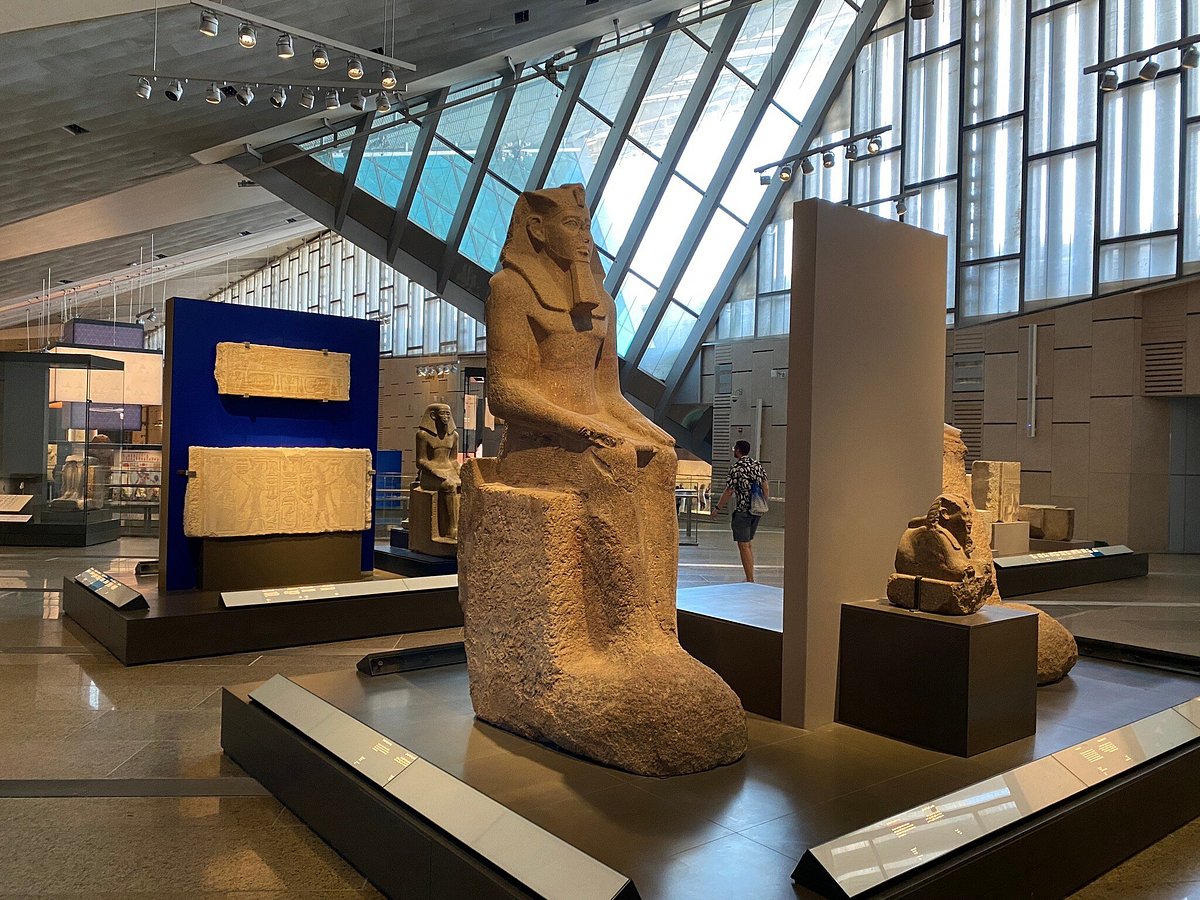
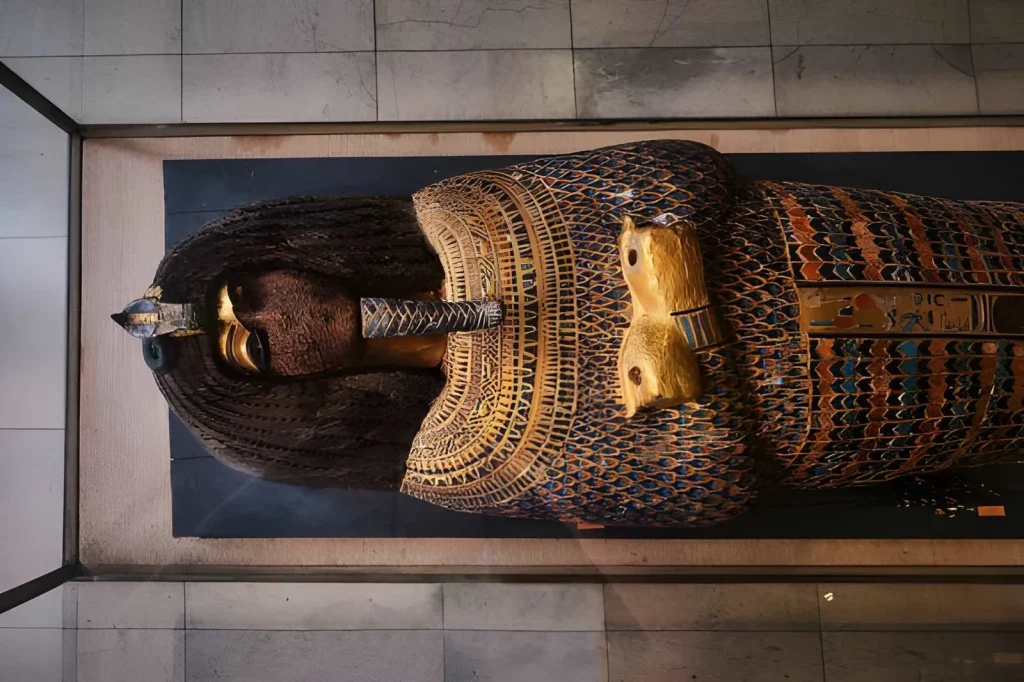
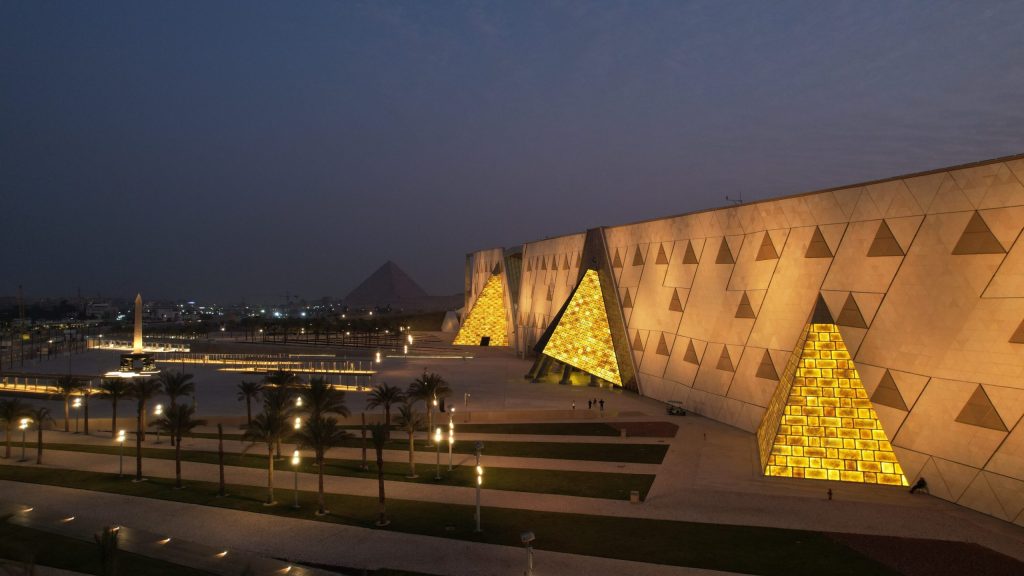
The first stop in this guide to the Top 5 museums in Egypt is the vast museum near the Giza pyramids. Its major visitor areas include the Tutankhamun Galleries, Main Galleries, Grand Hall, Grand Stairs, and Khufu’s Boats Museum.
The collection makes it possible to explore both spectacular royal objects and the wider development of ancient Egyptian society.
Tutankhamun’s Golden Burial Mask
The young king’s golden mask is the collection’s most recognisable highlight. It covered his head and shoulders and presents an idealised royal face framed by a striped headdress.
Look closely at the protective symbols on the forehead and the carefully worked details around the eyes. The object was not simply decorative: it formed part of a burial intended to protect the king and support his transformation in the afterlife.
The Golden Throne and Royal Chariots
Tutankhamun’s throne reveals the craftsmanship behind royal furniture. Its decorated surfaces communicate status, while the scene of the king and queen offers a more intimate image of royal life.
The chariots introduce a different subject: ancient transport and royal equipment. Viewed alongside jewellery and funerary objects, they help visitors understand the variety of material placed in the tomb.
The Colossal Statue of Ramesses II
The enormous granite statue in the Grand Hall creates a striking first impression. Originally associated with the temple of Ptah at Memphis, it shows how monumental sculpture communicated royal power.
Rather than stopping at its size, examine the king’s pose, crown, and inscriptions. These details explain how a ruler wanted to be recognised and remembered.
Khufu’s Boat
The reconstructed vessel associated with Khufu demonstrates remarkable woodworking and boatbuilding skills. It also introduces the relationship between boats, royal funerary practices, and religious beliefs.
Visiting Advice
A grand egyptian museum tour can help you connect these individual treasures with the wider history of kingship and burial traditions.
Before purchasing grand egyptian museum tickets, check your admission category, selected time, and included experiences. A guided visit inside the building is not necessarily the same as a private excursion with hotel transfers.
2. Tahrir’s Historic Collection: Early Kings and Masterful Sculpture
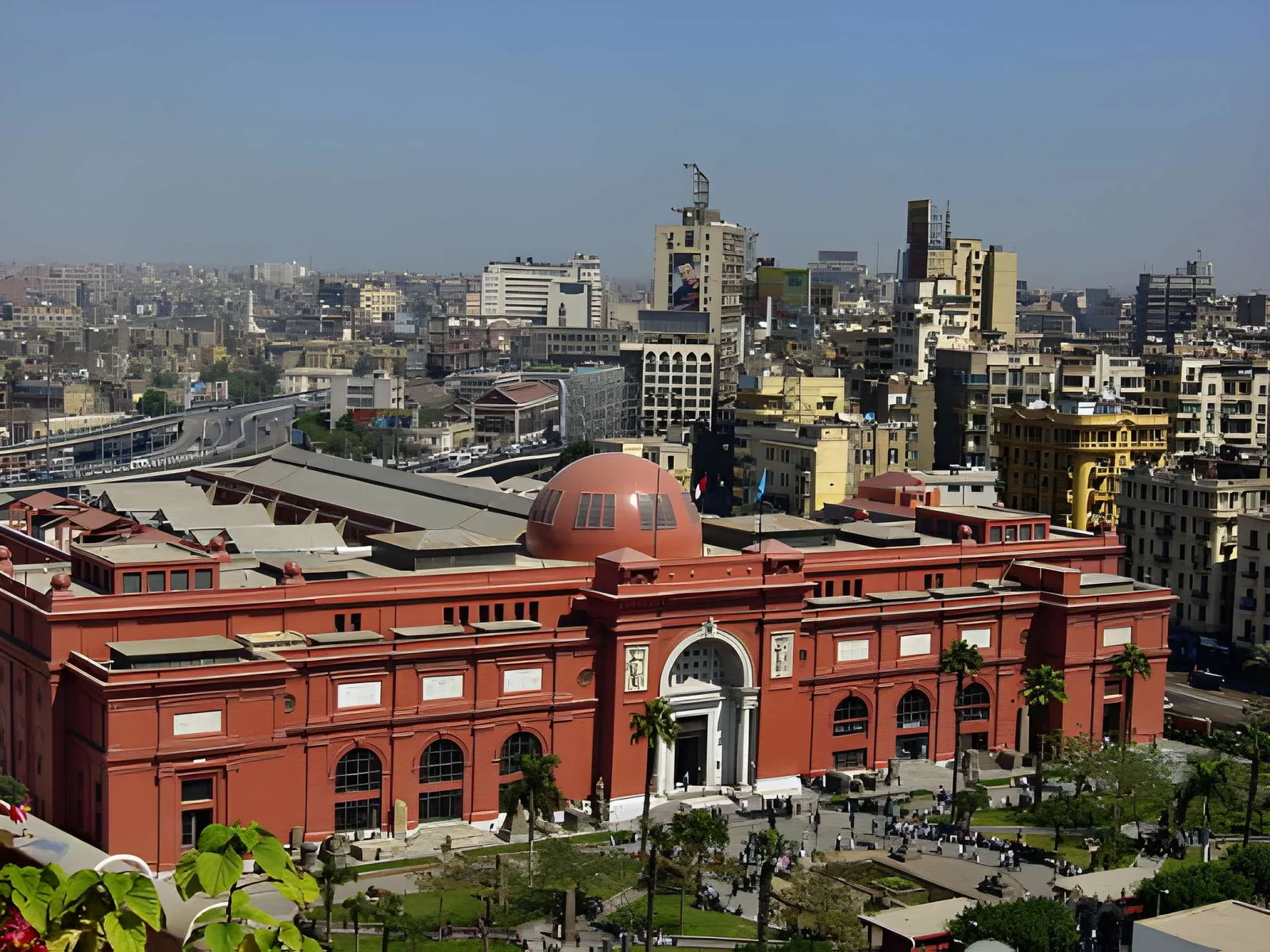
The egyptian museum in Tahrir Square is a separate institution from the collection in Giza. Its appeal lies in objects that illuminate early state formation, pyramid-age rulers, and later royal art.
Among the Top 5 museums in Egypt, this is an especially rewarding choice for visitors who enjoy examining how artistic styles and symbols changed over time.
The Narmer Palette
Dating to around 3100 BC, this ceremonial stone palette is closely associated with the emergence of a unified Egyptian state.
Narmer appears wearing different crowns on its two sides. Scenes of royal victory and symbolic imagery communicate authority rather than presenting a simple, literal account of a single event.
Spend time looking at the smaller figures and animals as well as the king. Their arrangement reveals how early Egyptian artists organised a powerful political message.
The Ivory Statuette of Khufu
At approximately 7.5 centimetres tall, this small figure offers an unexpected encounter with the ruler associated with the Great Pyramid.
Its importance comes partly from that contrast: an enormous royal monument survives at Giza, while a tiny ivory image preserves a representation of its king.
Amenhotep III and Queen Tiye’s Colossal Statue
This monumental limestone group presents the royal couple with their daughters. The imposing scale conveys royal dignity, while the family grouping introduces relationships within the ruling household.
Compare it with Khufu’s statuette. Both represent kingship, but their materials, dimensions, and presentation create very different impressions.
Visiting Advice
Build your visit around a short list of priority objects. Reading their labels carefully and comparing their details can be more rewarding than trying to photograph every display.
Remember that Tutankhamun’s golden mask belongs on your Giza itinerary, not your Tahrir checklist.
3. NMEC: Royal Mummies and Egypt’s Cultural Story
The National Museum of Egyptian Civilization (NMEC) is located in Fustat, Cairo. Before arranging transport, make sure you identify the correct institution when planning your visit.
Within the Top 5 museums in Egypt, NMEC offers a different perspective by combining royal history with the broader development of civilisation.
The Royal Mummies Hall
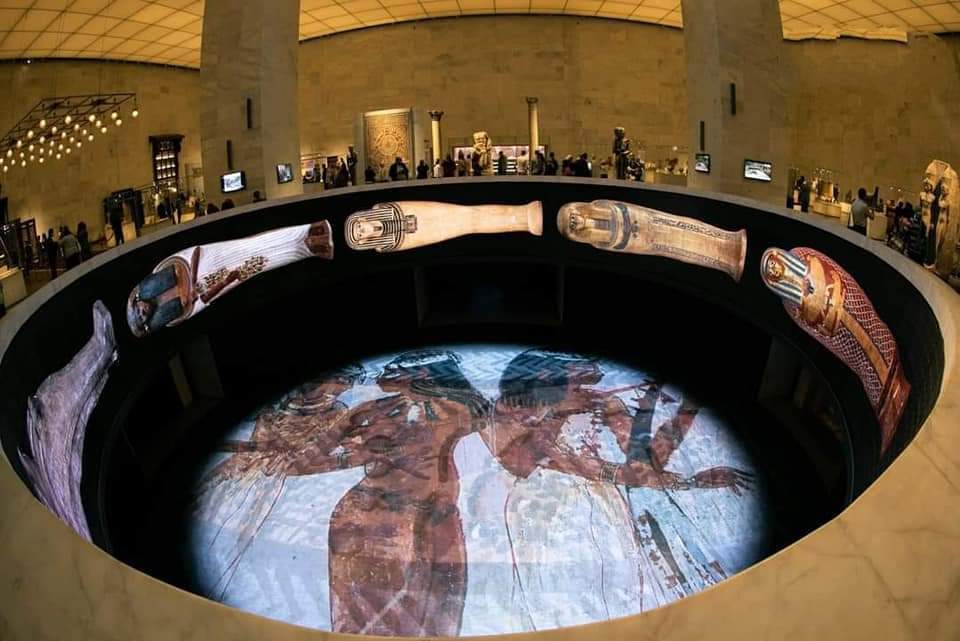
The signature attraction is a specially designed gallery presenting ancient kings and queens in an atmosphere inspired by royal tombs.
The experience is less about glittering objects and more about the people who once ruled Egypt. Names encountered in temples and history books become connected with human remains and individual biographies.
Ramesses II
Ramesses II is one of the most familiar rulers represented in the collection. His long reign and extensive building activity make him an important connection between the museum and monuments elsewhere in Egypt.
Reading his biography before visiting associated sites can help you recognise why his name appears so frequently.
Hatshepsut and Thutmose III
Hatshepsut introduces the subject of female kingship and the ways royal authority was expressed. Thutmose III connects the collection with military campaigns and the expansion of Egyptian influence.
Together, these rulers encourage visitors to think beyond a list of names and consider succession, political power, and the changing responsibilities of kingship.
Textiles and Wider Cultural Displays
Beyond the royal remains, the museum explores Egyptian civilisation more broadly. Its textile displays direct attention towards materials, craftsmanship, and skills that can be overlooked when monumental architecture dominates an itinerary.
Visiting Advice
Treat the mummies as human remains, not photo props. Follow gallery instructions and consider whether younger children will feel comfortable with the subject before entering.
4. Luxor Museum: The Art of Ancient Thebes
For travellers exploring Upper Egypt, this museum provides a useful connection between archaeological discoveries and the surrounding ancient landscape.
It belongs among the Top 5 museums in Egypt because its collection complements temple visits without simply repeating them.
Royal Sculpture of Amenhotep III
Sculpture associated with Amenhotep III introduces the artistic achievements of a prosperous New Kingdom reign.
Look at the treatment of the face, the polished surfaces, and the balance between idealised beauty and royal identity. Museum viewing allows you to examine these details more closely than you often can on a crowded temple route.
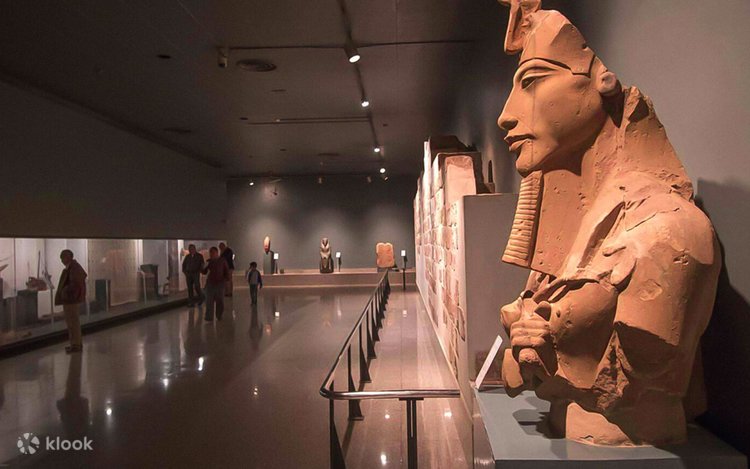
Material from Akhenaten’s Temple
Reconstructed architectural material associated with Akhenaten helps visitors imagine a building that no longer survives intact.
It also creates an opportunity to compare established religious imagery with the changes linked to his reign. Ask your guide to explain what was reconstructed and how the surviving fragments inform the display.
Royal Mummies
The collection includes mummies traditionally identified as Ahmose I and Ramesses I. These provide another connection between individual rulers and the history of the New Kingdom.
Visiting Advice
Schedule this visit when you still have energy to concentrate. Its objects are easier to appreciate when you can relate them to the kings, religious changes, and monuments introduced during your other excursions.
5. Aswan’s Nubian Museum: Regional History and Living Traditions
The museum broadens the journey beyond pharaohs and royal burials. Opened in 1997, it developed in the context of the international effort to safeguard Nubia’s monuments and heritage.
Of the Top 5 museums in Egypt, this collection gives the strongest focus to Nubia’s regional identity.
The Statue of Ramesses II
The colossal sculpture associated with Gerf Hussein connects the museum with monuments from Nubian sites.
Its presence is a reminder that the history of Nubia includes both local traditions and a complex relationship with Egyptian rulers.
The Head of Taharqa
The portrait of Taharqa introduces a Kushite king associated with Egypt’s Twenty-Fifth Dynasty.
This is an important shift in perspective: Nubia was not simply a neighbouring region influenced by Egypt. Its rulers also played a major role in Egyptian political history.
Pottery and Early Archaeological Finds
Pottery and other early objects reveal a history extending well beyond famous royal names.
Notice vessel shapes, decoration, and materials. Such objects help explain daily practices, craftsmanship, and cultural change.
Village-Life Displays
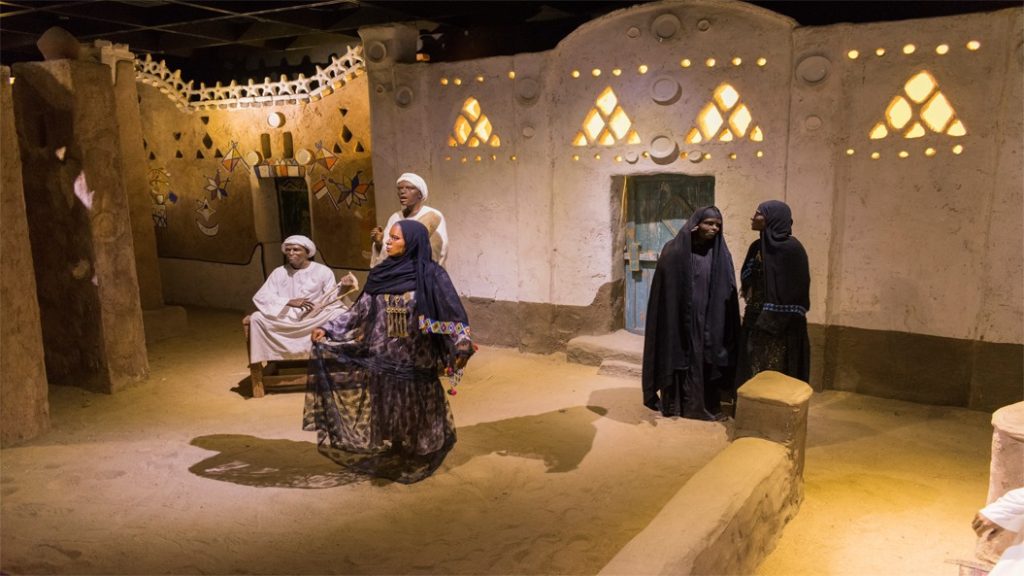
Dioramas, traditional crafts, and a reconstructed house introduce aspects of Nubian community life. These displays make the museum particularly valuable for understanding cultural heritage alongside archaeology.
Visiting Advice
Allow time for both the ancient objects and the social-history displays. The relationship between them is what makes this collection distinctive.
How to Choose Between the Top 5 museums in Egypt
You do not need to visit all five to create a rewarding itinerary. Choose according to your interests and travel route.
- For Tutankhamun: prioritise Giza.
- For early kingship and royal sculpture: choose Tahrir.
- For royal mummies: include NMEC.
- For objects connected with ancient Thebes: add the Luxor collection.
- For Nubian culture: make time in Aswan.
If you are researching the best museums in Egypt for families, consider your children’s interests and comfort levels. A short visit built around a few memorable objects may work better than several hours of uninterrupted galleries.
For travellers comparing a Cairo museum tour with hotel pickup, confirm the exact museum names, transfer arrangements, guide service, and admission inclusions before paying.
Frequently Asked Questions
How to Book Grand Egyptian Museum Tickets? Use the official ticketing website, select your visit date and admission category, and review the inclusions before payment. If booking through a tour operator, confirm whether transport and guiding are included.
Can I Visit the Top 5 museums in Egypt in One Day? No. They are spread across several cities. Combine the Cairo and Giza collections within one part of your holiday, then include the southern museums during an Upper Egypt itinerary.
Do I Need a Guide for Every Museum? Not necessarily. Independent visits give you flexibility, while a knowledgeable guide can explain symbolism, historical connections, and unfamiliar objects. Choose the option that matches your interests and preferred pace.
What Is the Best Time of Year to Visit Museums in Egypt? The best time to visit museums in Egypt is from October to April, when the weather is generally cooler and more comfortable for exploring nearby outdoor attractions. Museums can be visited throughout the year, but mornings are often a good choice for a quieter experience.
Is Photography and Video Recording Allowed Inside Egyptian Museums? Photography policies vary between museums and exhibitions. Some areas allow photography, while others may restrict it, especially where sensitive artifacts are displayed. Check the museum’s current rules before your visit, and always follow signs and staff instructions.
Conclusion: Plan a Museum Journey Around Your Interests
The Top 5 museums in Egypt reveal different parts of the country’s story. Royal treasures explain status and burial beliefs, sculpture communicates kingship, and regional collections introduce traditions that extend beyond the royal court.
Choose the experiences that interest you most, check what each booking includes, and leave enough time to appreciate the objects rather than rushing between them.
Ready to plan your cultural getaway? Contact us today to explore private museum tours and create a personalised Egypt itinerary around the collections you most want to see.

