


 BLOG
BLOG7 Principles of Maat: What Are the 7 Rules of Maat?
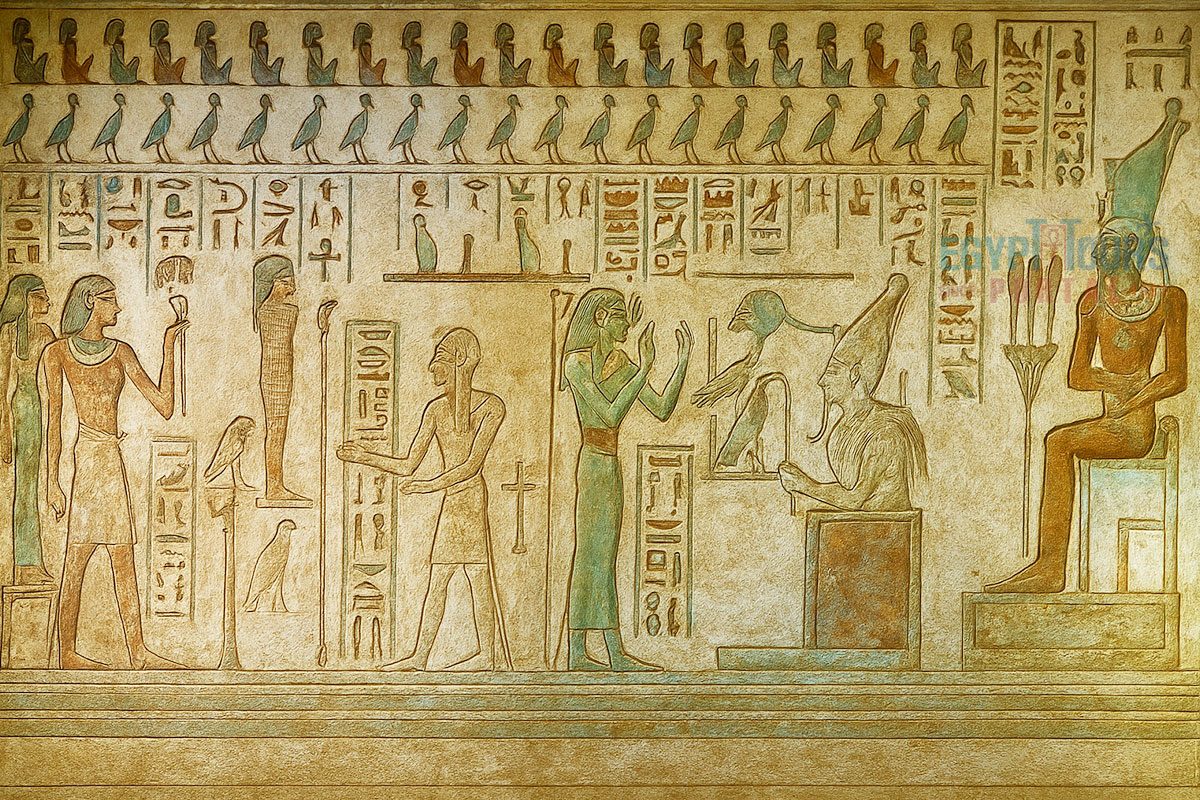
In the heart of ancient Egyptian civilization, few concepts were as fundamental as Maat. Representing truth, justice, balance, and cosmic order, Maat was far more than a goddess — she was the very foundation upon which Egyptian society, law, and spirituality rested.
Modern readers continue to be drawn to Maat because her principles address timeless human concerns: how to live with integrity, maintain social harmony, and act responsibly toward others and the world. This article explores the 7 Principles of Maat, their historical context, and their enduring relevance.
Who Was Principles of Maat in Ancient Egyptian Religion?
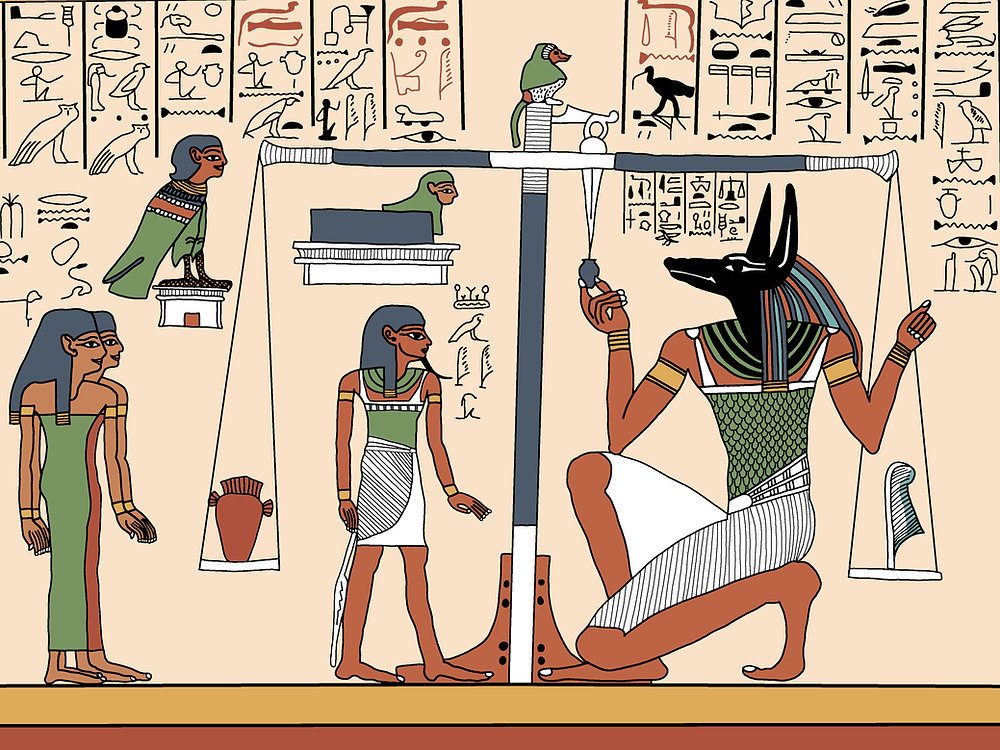
Maat was both a goddess and a cosmic principle personified. Depicted as a woman wearing an ostrich feather on her head, she embodied the divine order of the universe.
In Egyptian mythology, Maat was the daughter of the sun god Ra. She stood beside the pharaohs, ensuring their rule reflected divine harmony. The Feather of Maat became her most famous symbol, used in the afterlife judgment to weigh the hearts of the deceased.
Her role extended beyond religion into every aspect of life, acting as the moral compass for a civilization that lasted over 3,000 years.
What Does Maat Mean?
The word “Maat” translates to concepts that interweave deeply:
- Truth (accuracy and honesty)
- Justice (fairness and moral rightness)
- Balance (equilibrium in all things)
- Harmony (peaceful coexistence)
- Order (opposition to chaos, or Isfet)
Maat represented moral responsibility — the idea that every action should contribute to the greater good of society and the cosmos.
Why Was Principles of Maat Important in Ancient Egypt?
Maat was the glue holding Egyptian civilization together. Pharaohs were considered the earthly guardians of Maat; their primary duty was to uphold her principles to prevent chaos.
She influenced:
- Government and Law: Legal decisions were made in accordance with Maat.
- Religion: Rituals and temple practices maintained cosmic balance.
- Daily Life: From farmers to scribes, people were expected to live by Maat’s ethics.
- Social Stability: Promoted fairness, reducing conflict in a complex society.
Without Maat, the Egyptians believed the world would descend into disorder.
What Are the 7 Principles of Maat?
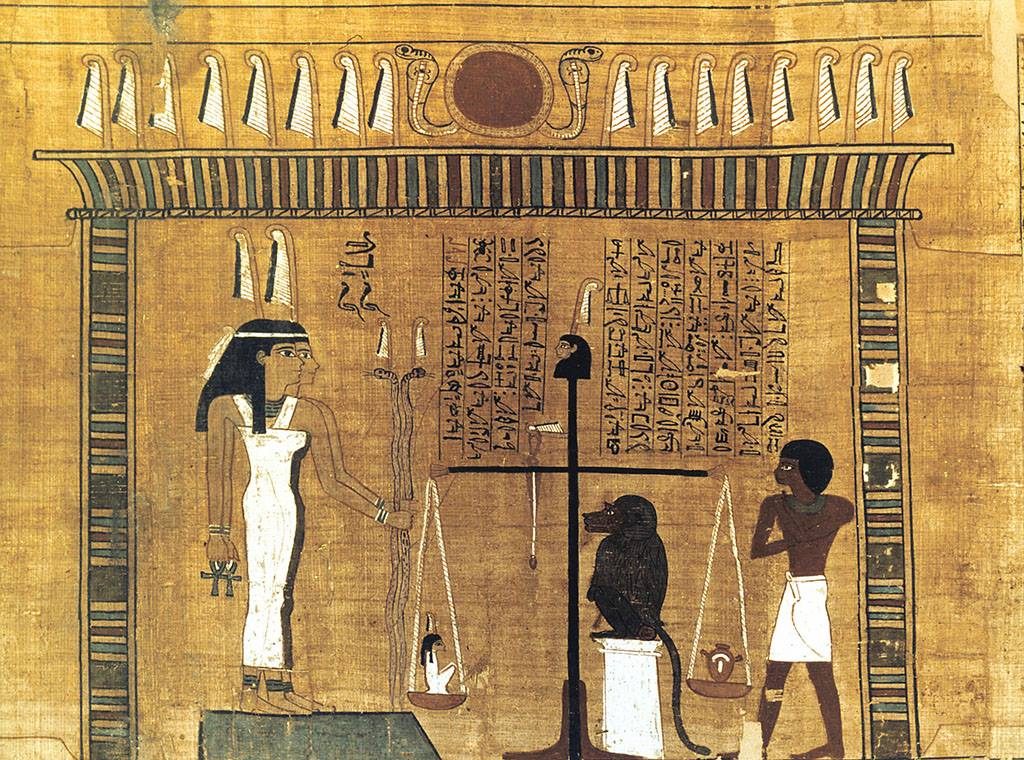
While ancient texts do not list exactly “7 rules” in one document, later interpretations and wisdom literature distill Maat’s teachings into seven core principles. These reflect the ethical framework Egyptians lived by.
Truth
Truth was the bedrock. Egyptians believed speaking and living truthfully aligned one with the gods. Scribes and officials were expected to record events accurately. Dishonesty disrupted Maat and invited misfortune.
Justice
Justice meant fairness for all. Courts operated under Maat, with judges called “priests of Maat.” Punishments aimed at restoration rather than mere retribution.
Harmony
Harmony encouraged peaceful relationships within families, communities, and with nature. Conflicts were to be resolved through mediation and mutual understanding.
Balance
Balance applied to all areas — work and rest, giving and receiving, individual needs and societal good. Excess in any direction was seen as contrary to Maat.
Order
Order opposed chaos. Maintaining routines, respecting hierarchy, and fulfilling duties helped sustain the stability of the Nile, seasons, and society.
Reciprocity
This principle emphasized “do unto others.” Acts of kindness and fair dealing in trade and personal relations were essential for social cohesion.
Righteous Conduct
Righteous conduct involved living with integrity, humility, and respect for elders, authorities, and the divine. It included charity and avoiding greed.
How the Principles of Maat Shaped Ancient Egyptian Society
Maat influenced governance through the pharaoh’s role as maintainer of order. In community life, it fostered cooperation in agriculture and construction projects like the pyramids. Religious practices centered on offerings to uphold Maat. Even in trade along the Nile, fair dealings reflected these principles.
Principles of Maat and the Judgment of the Dead
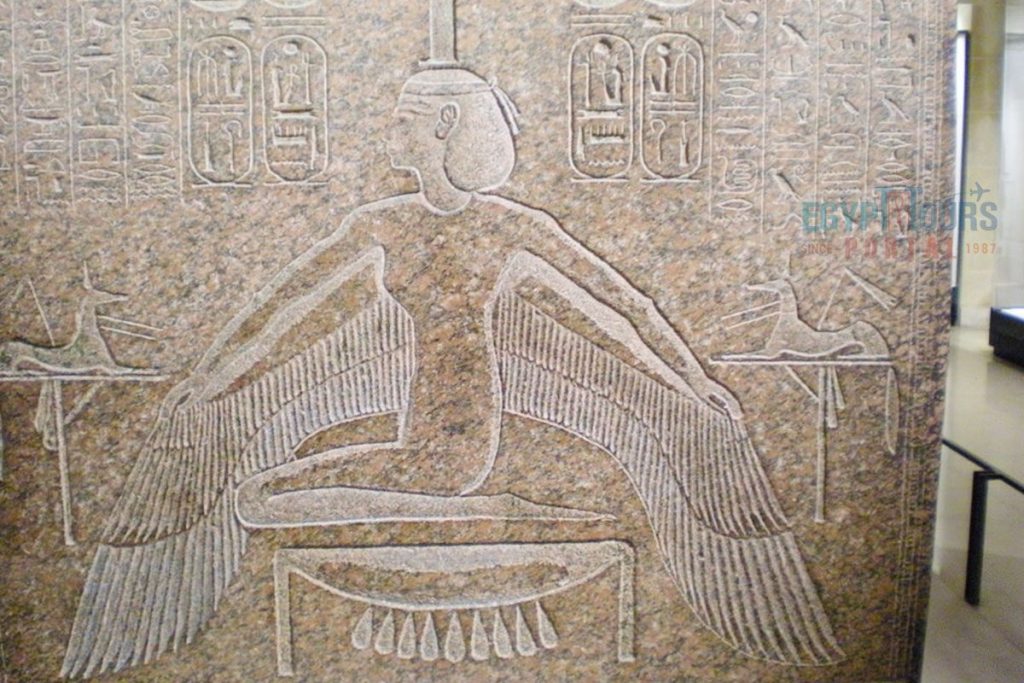
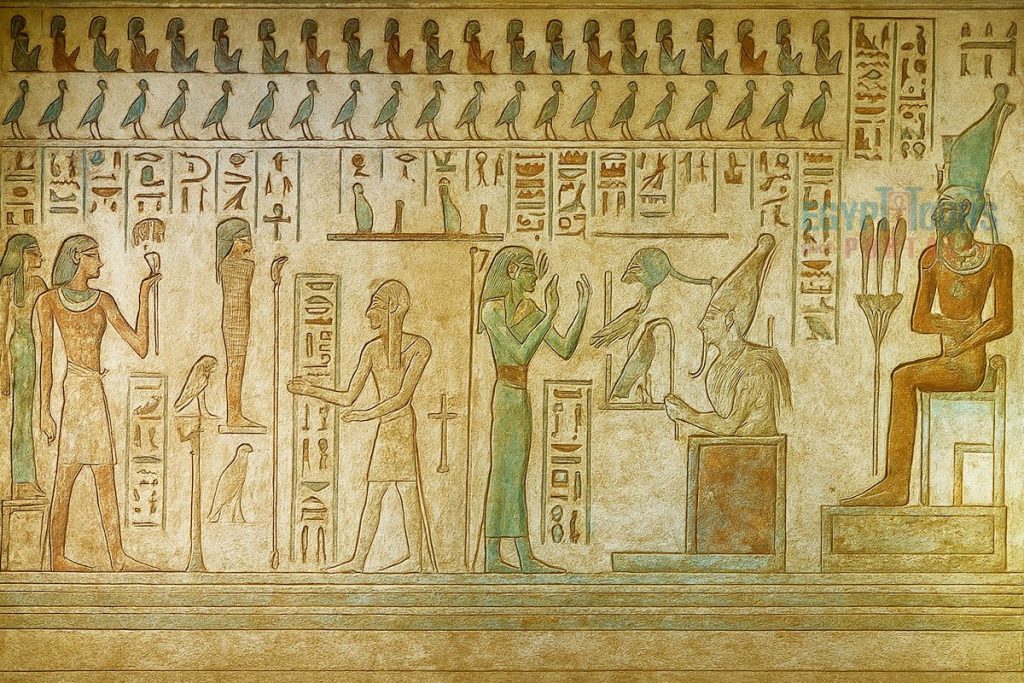
In the afterlife, the deceased faced the Weighing of the Heart ceremony in the Hall of Judgment before Osiris. The heart was weighed against the Feather of Maat. If balanced, the soul entered the Field of Reeds; if heavy with wrongdoing, it was devoured by Ammit.
This belief powerfully reinforced ethical living during one’s lifetime.
Lessons Modern Society Can Learn from Maat
Today, Maat’s principles offer guidance on integrity in leadership, accountability in institutions, and social responsibility. In an age of division, her emphasis on balance and harmony remains profoundly relevant.
Visiting Egypt to Discover the Legacy of Principles of Maat
To truly understand Maat, experience Egypt’s ancient sites firsthand. Walk through the temples of Luxor and Karnak, where Maat was honored, or visit the Egyptian Museum in Cairo to see artifacts depicting her.
Plan your journey with expert guidance through Luxury Tours Egypt and explore the living legacy of this remarkable civilization. For personalized itineraries, contact our team.
Frequently Asked Questions
What are the 7 Principles of Maat? They are Truth, Justice, Harmony, Balance, Order, Reciprocity, and Righteous Conduct.
Who was the goddess Maat? Maat was the ancient Egyptian goddess and cosmic principle of truth, justice, and order.
Why was Maat important in ancient Egypt? She maintained cosmic and social balance, guiding law, religion, and daily ethics.
What does the feather of Maat symbolize? It represents truth and is used to weigh hearts in the afterlife judgment.
Is Maat still relevant today? Yes, her principles of ethical living and balance apply to modern challenges.
How did Maat influence Egyptian rulers? Pharaohs were tasked with upholding Maat to ensure prosperity and stability.


